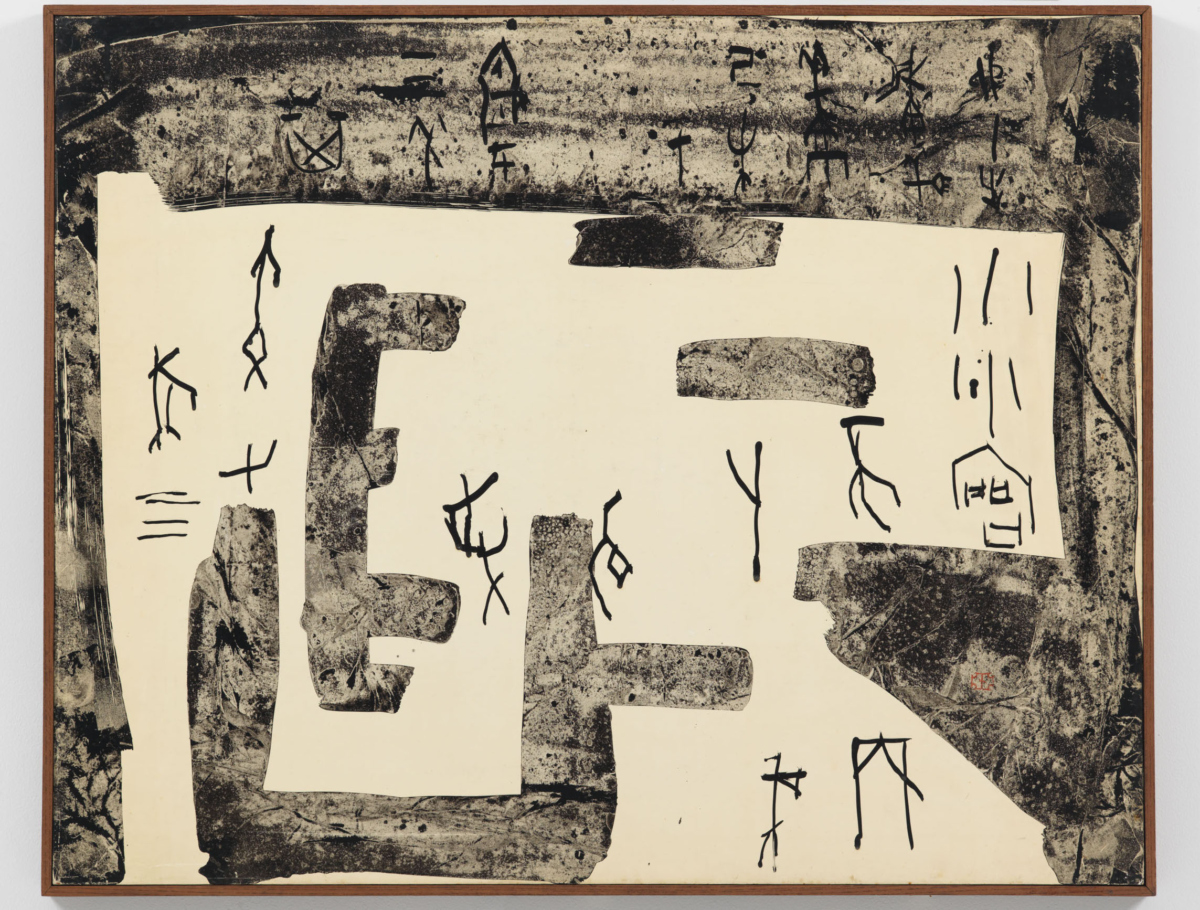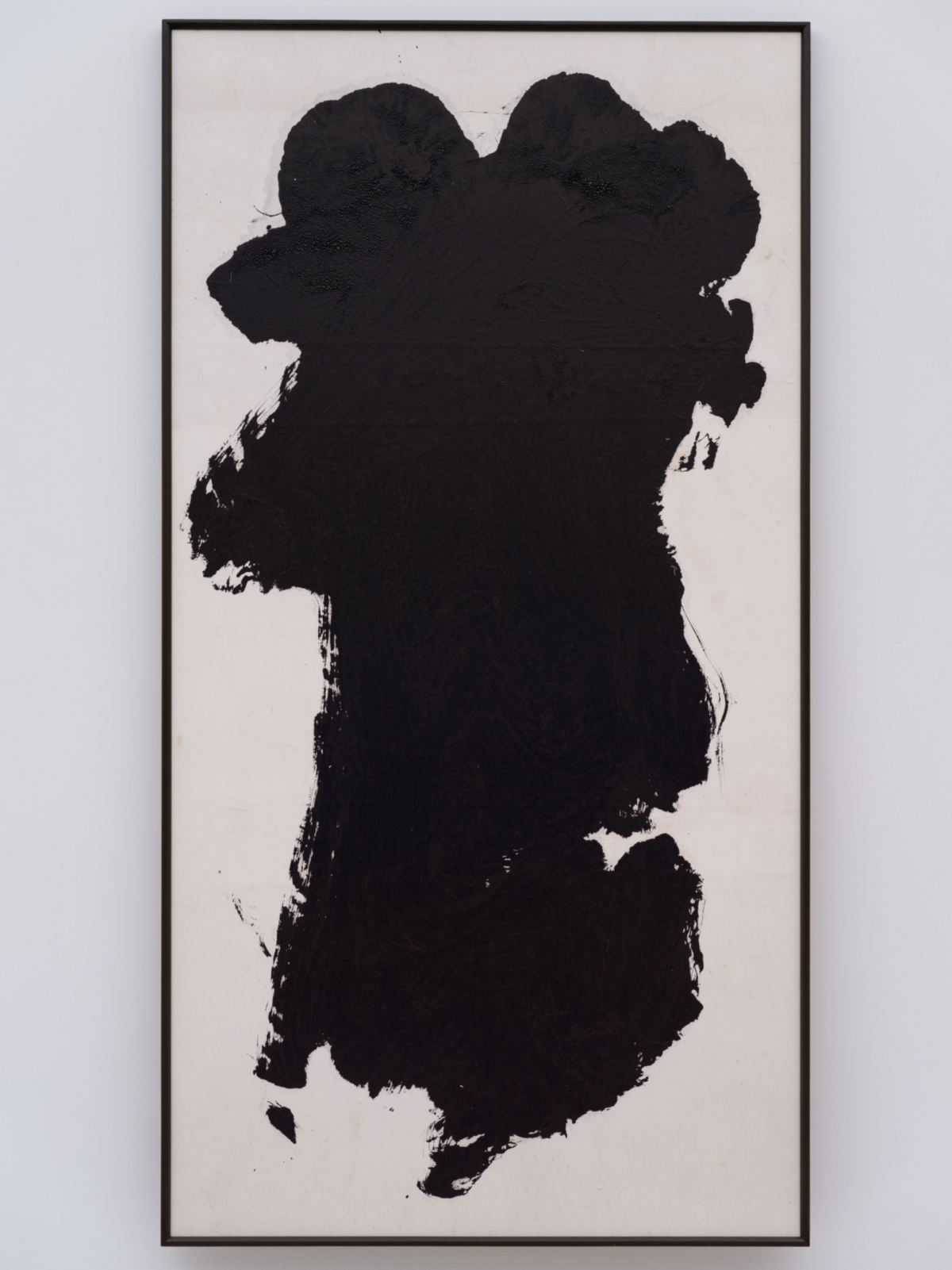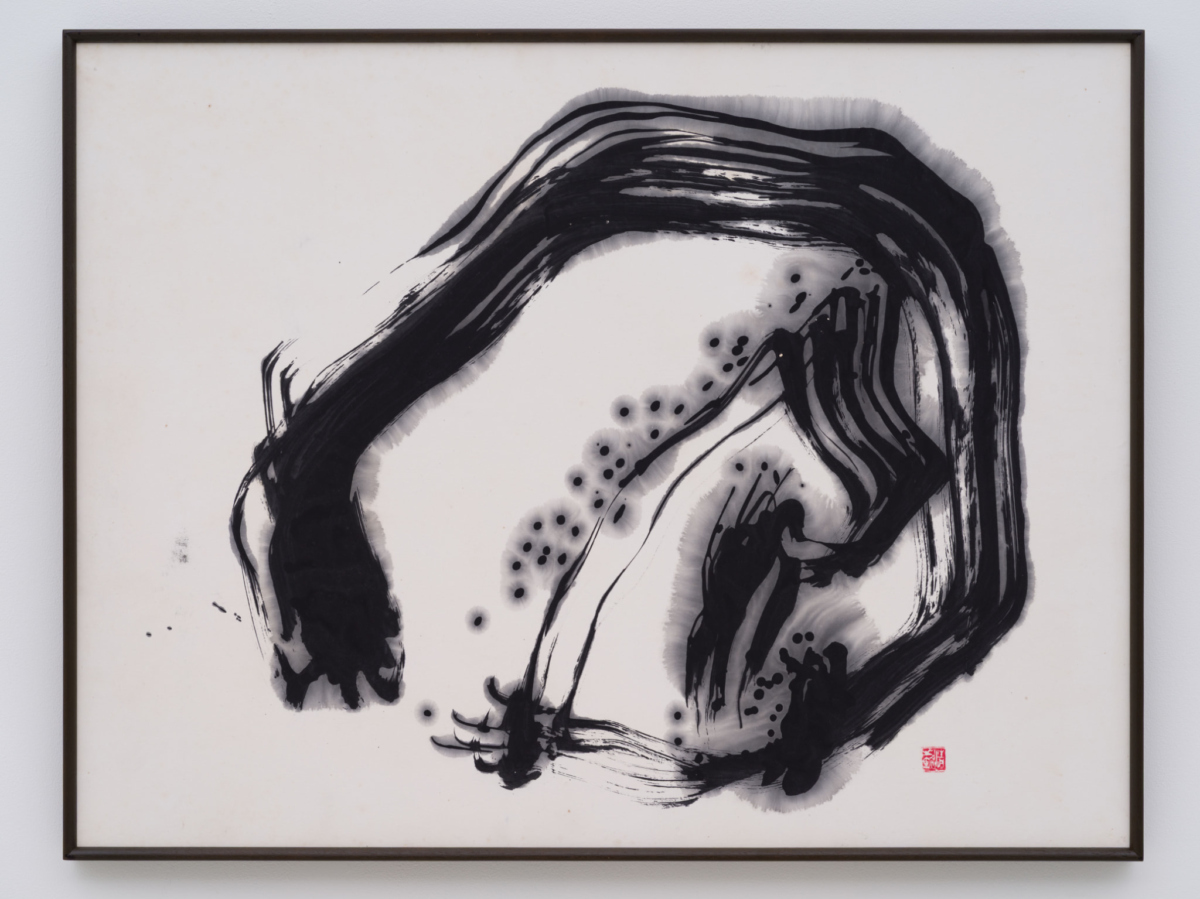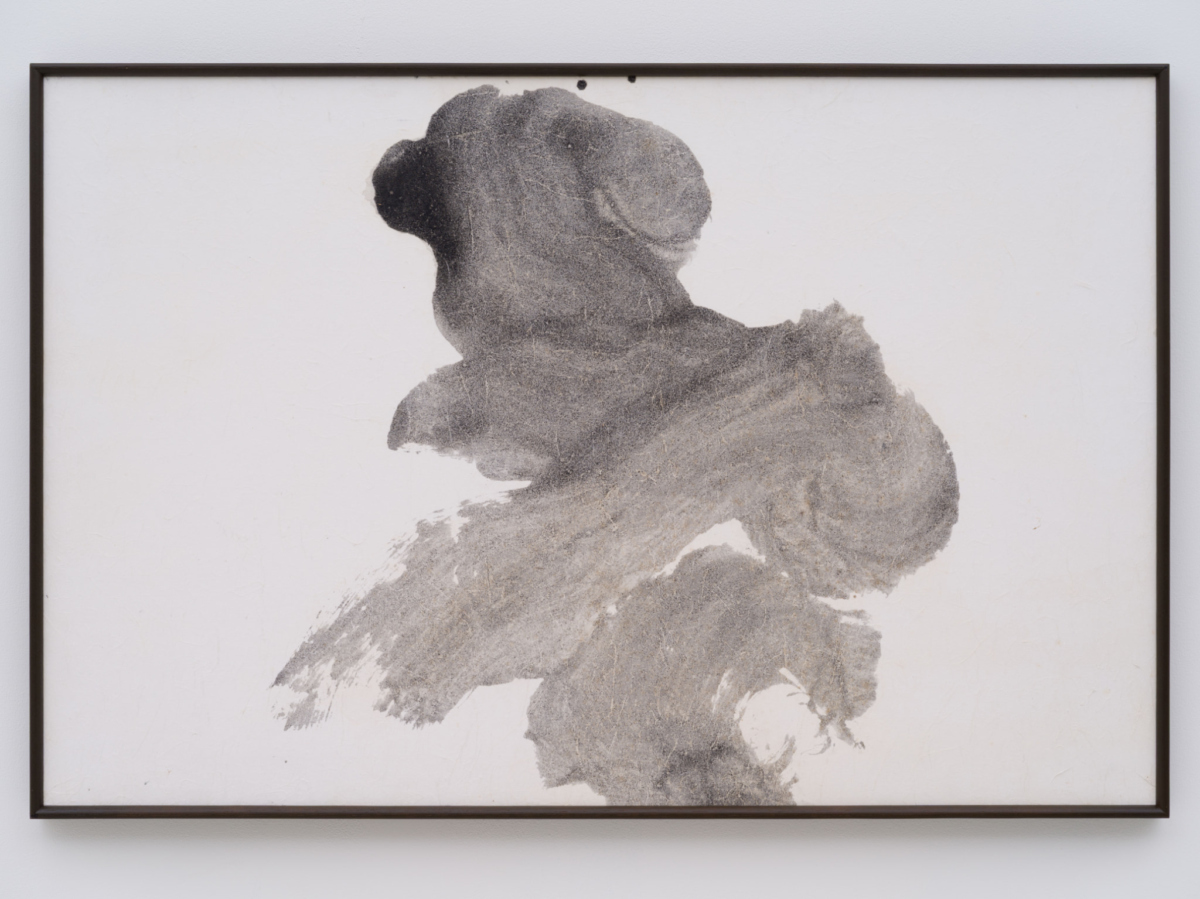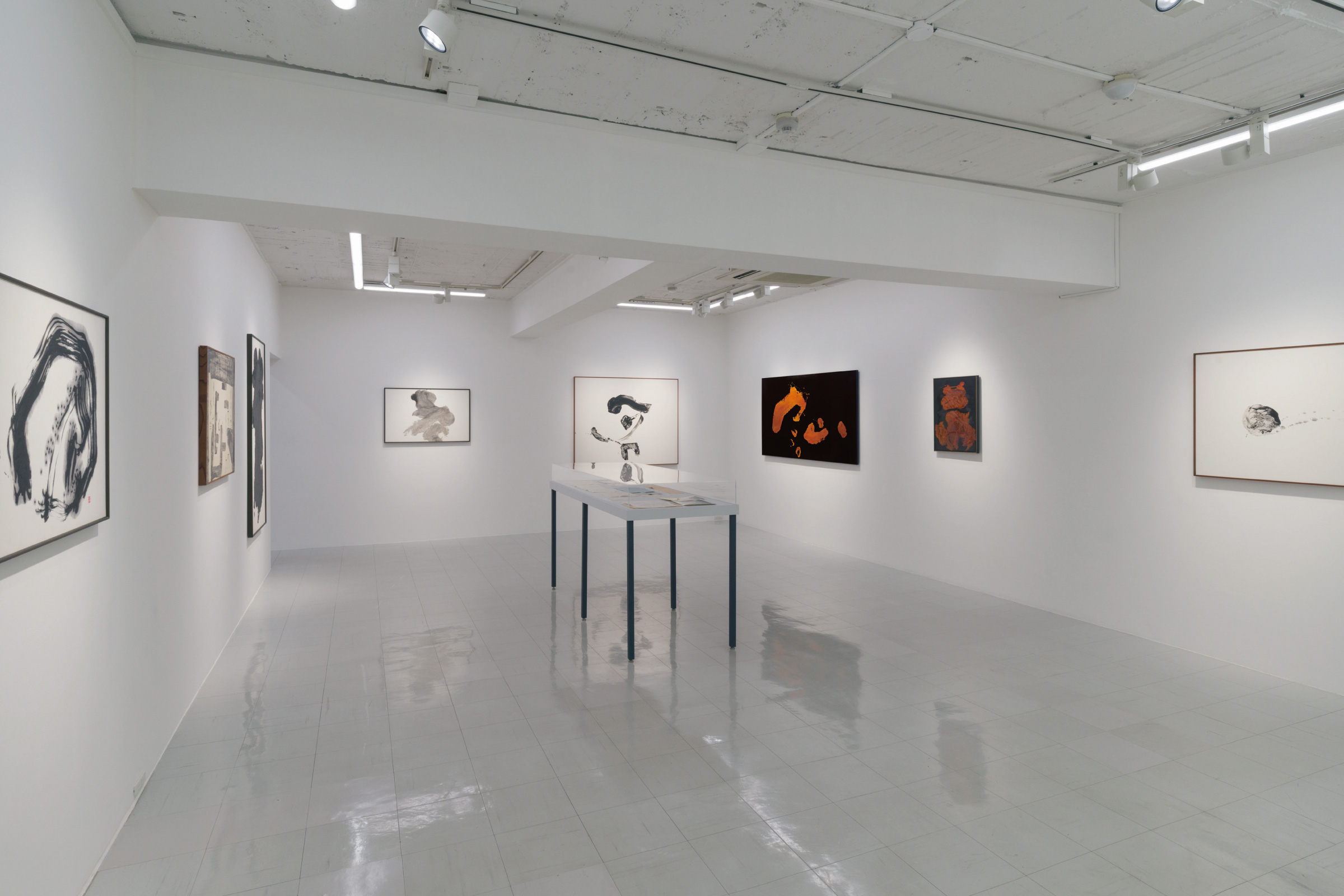
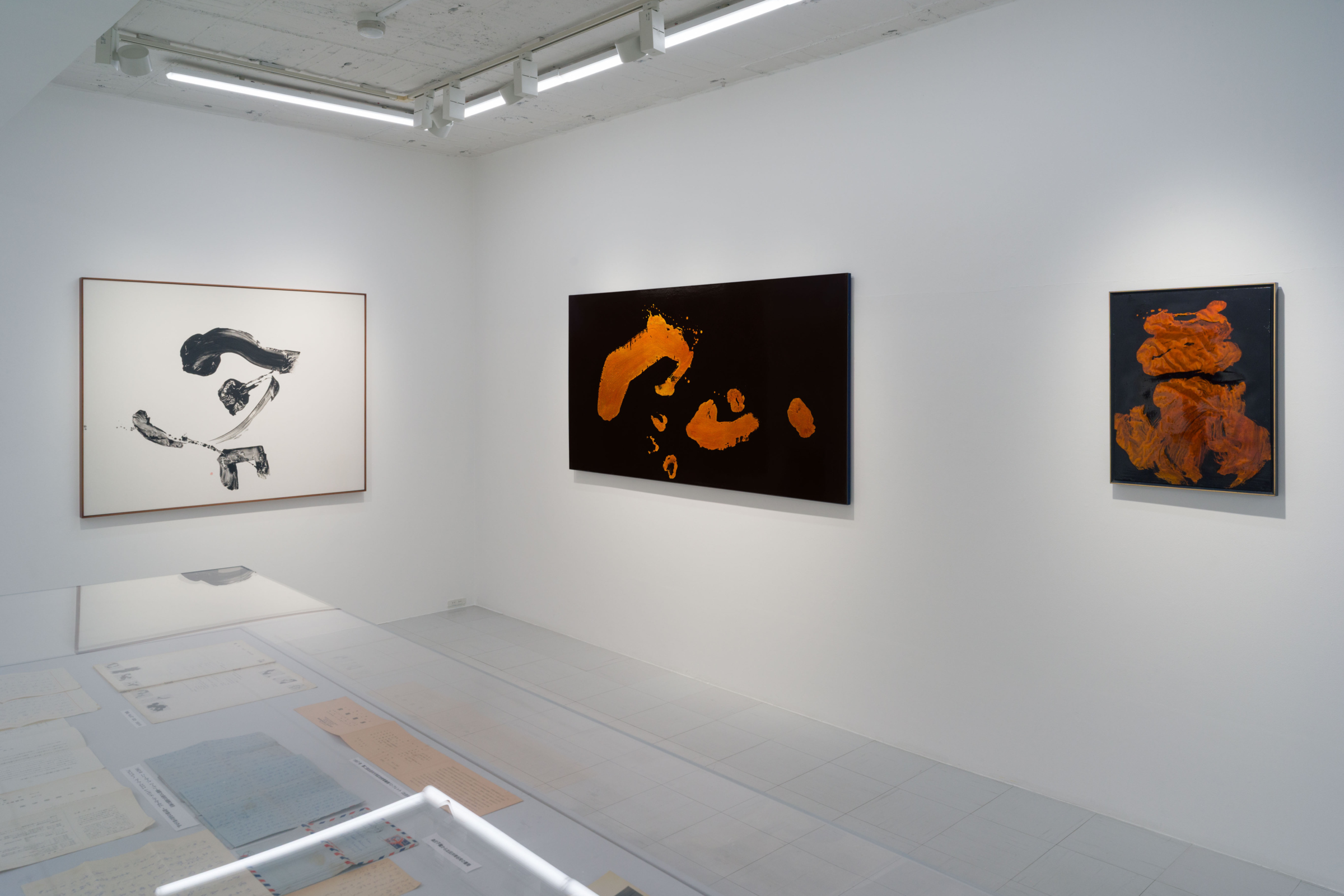
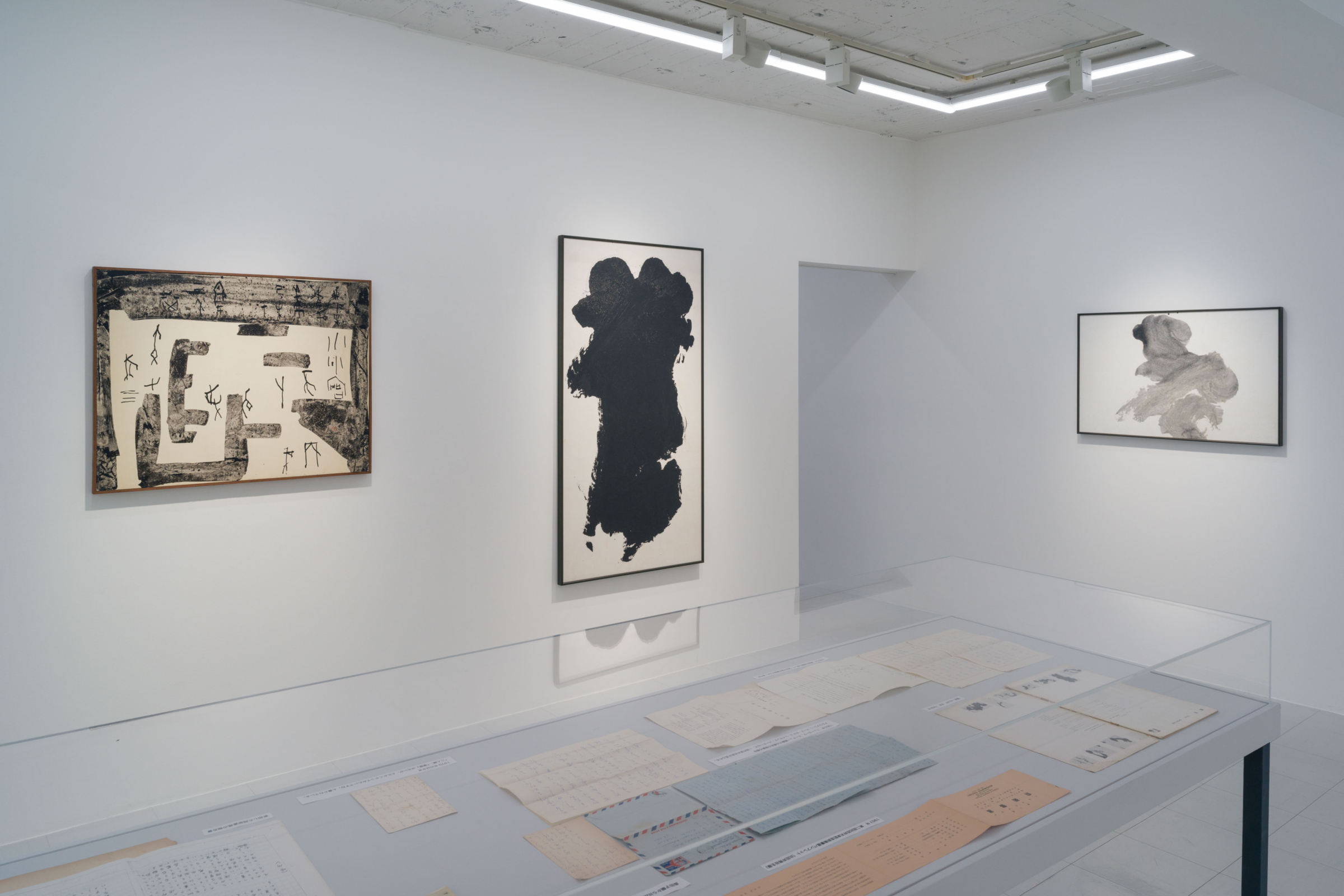
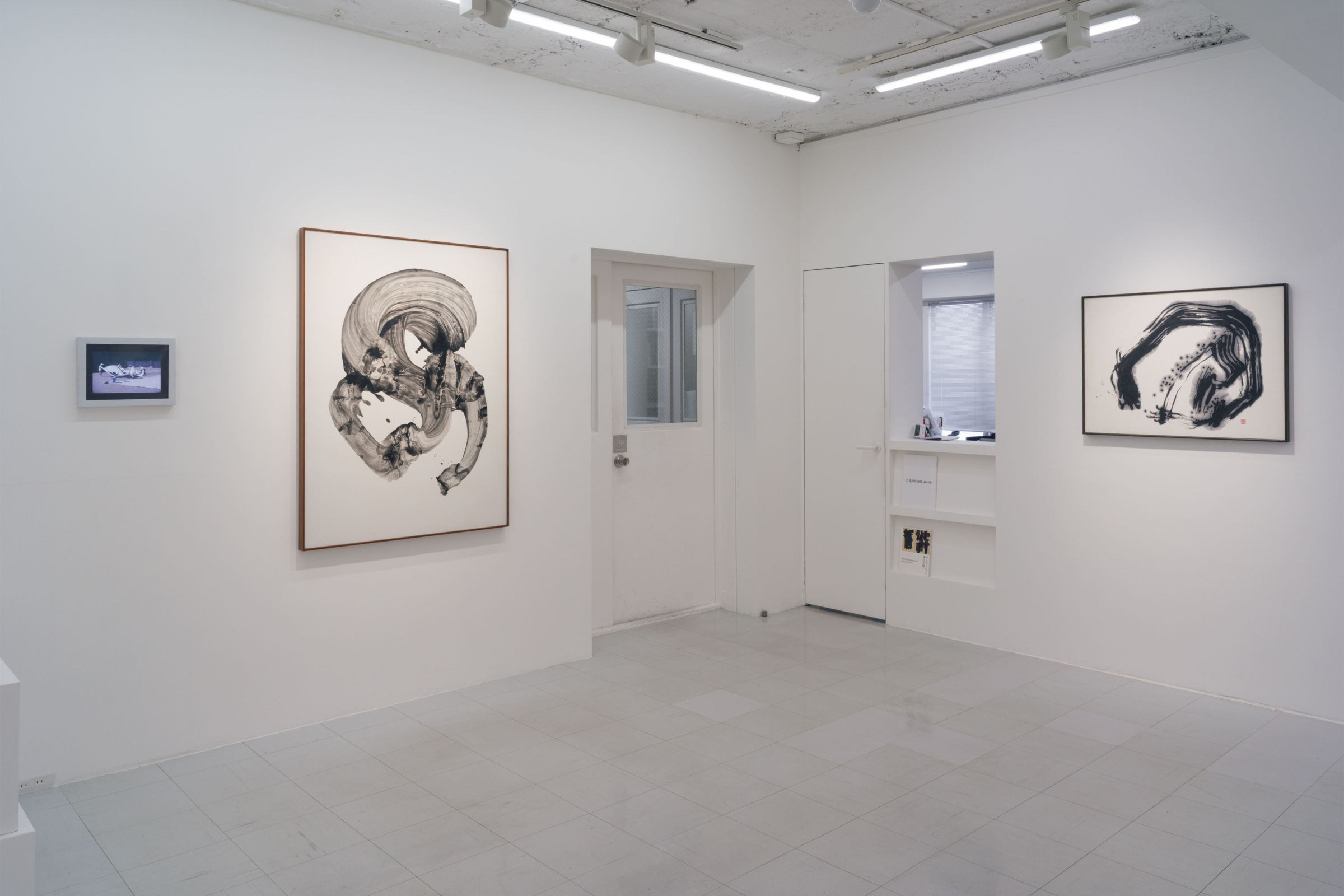
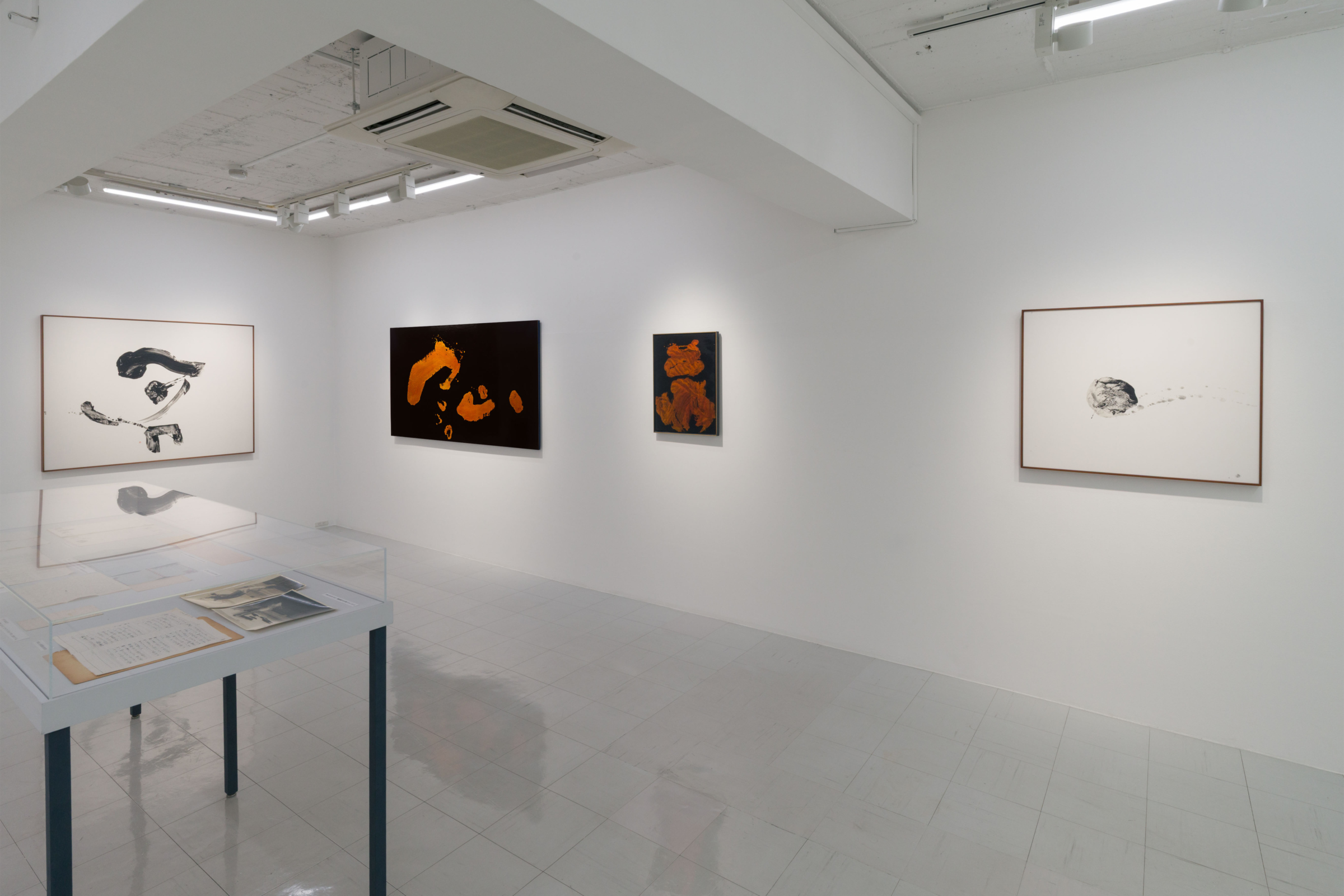
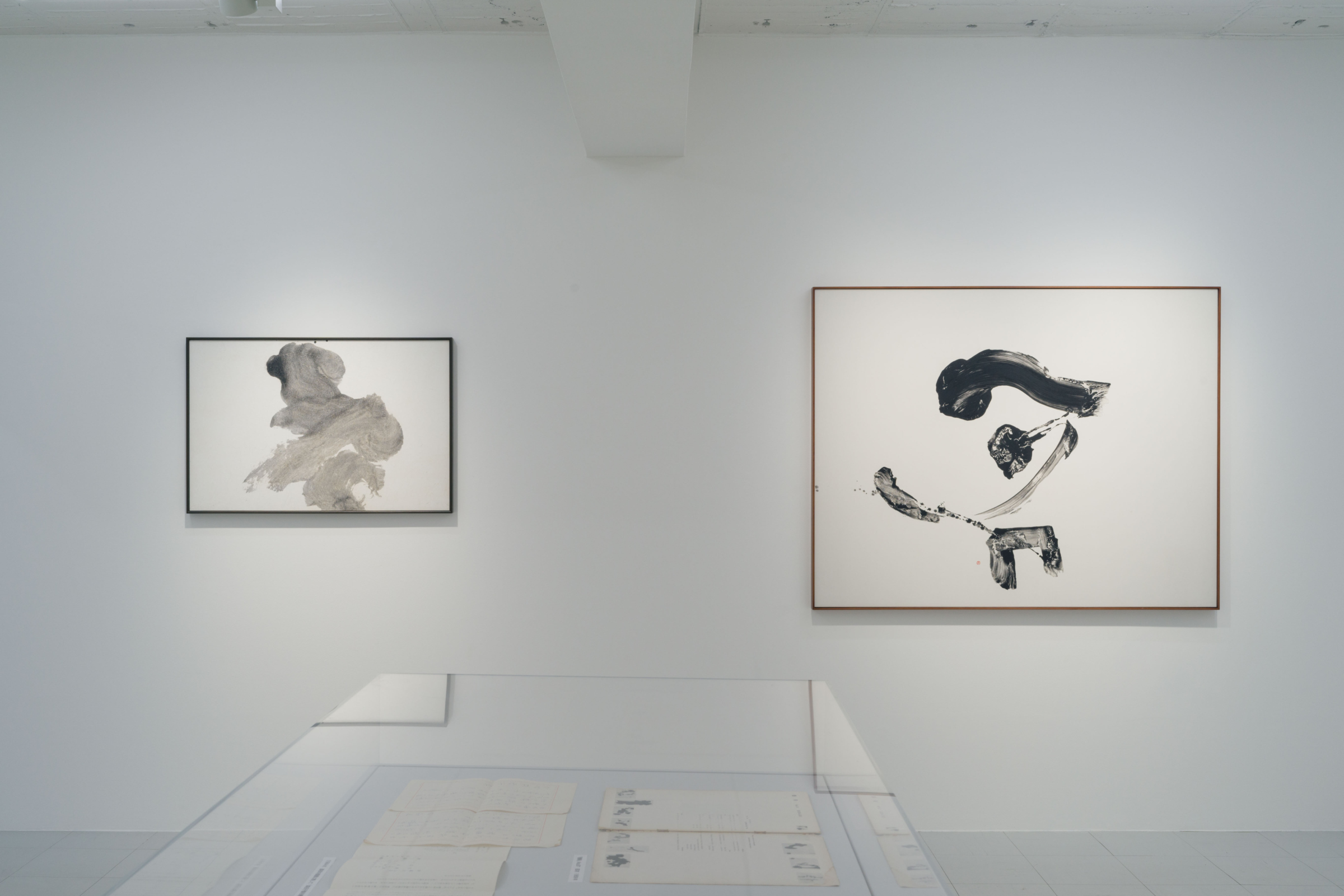
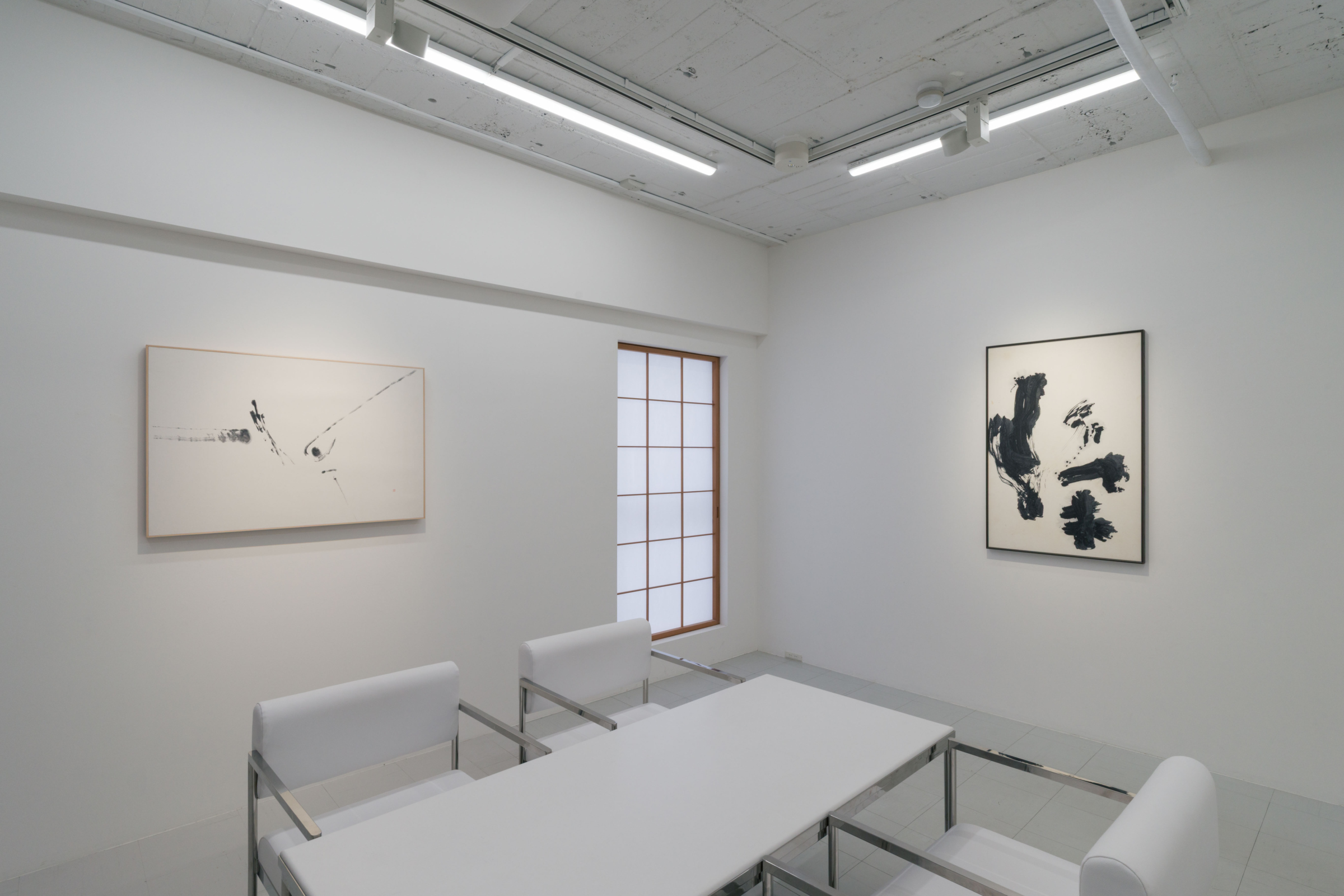
Tokyo Gallery + BTAP is pleased to announce an exhibition of works by Nankoku Hidai and Shiryu Morita.
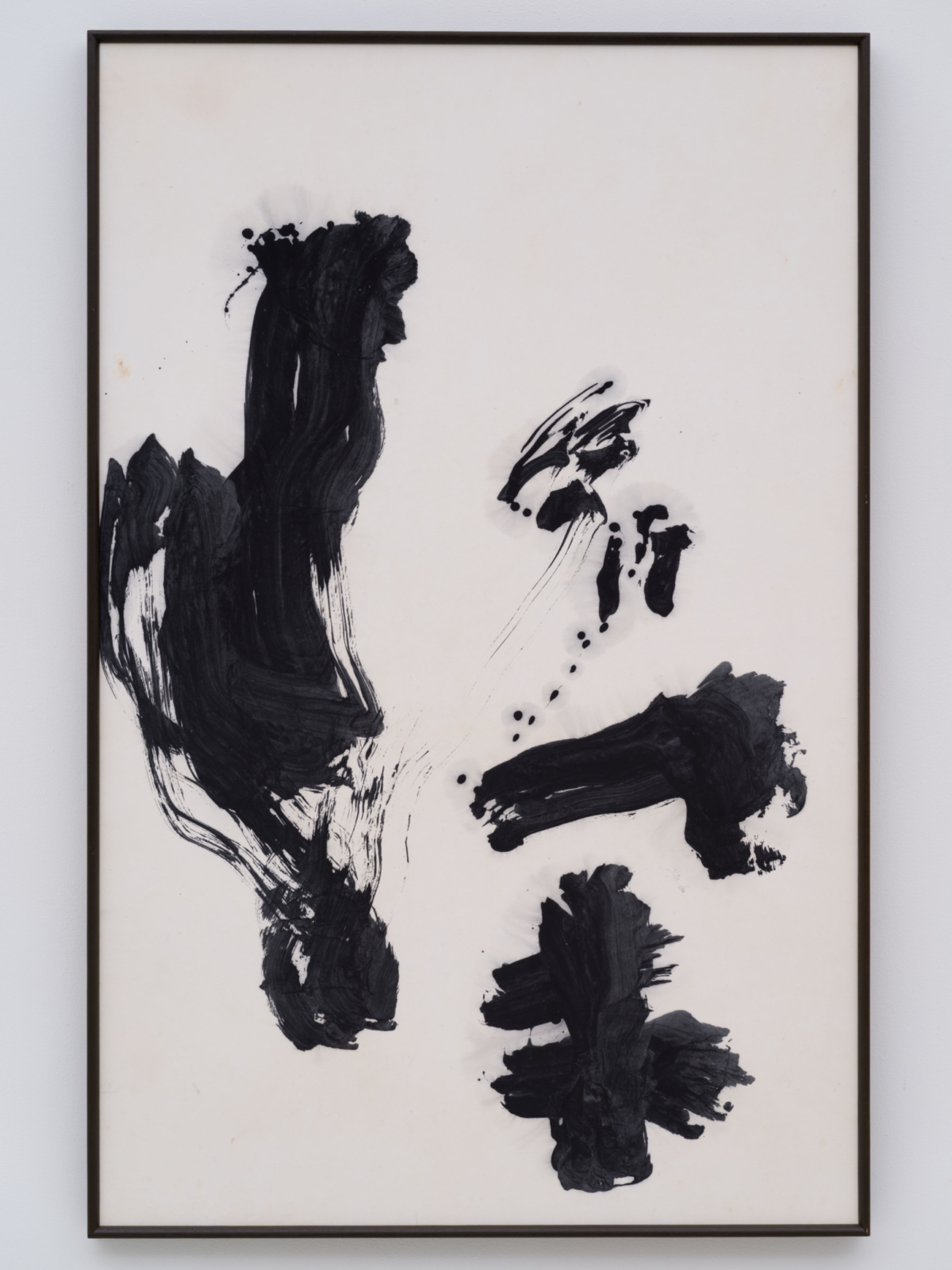
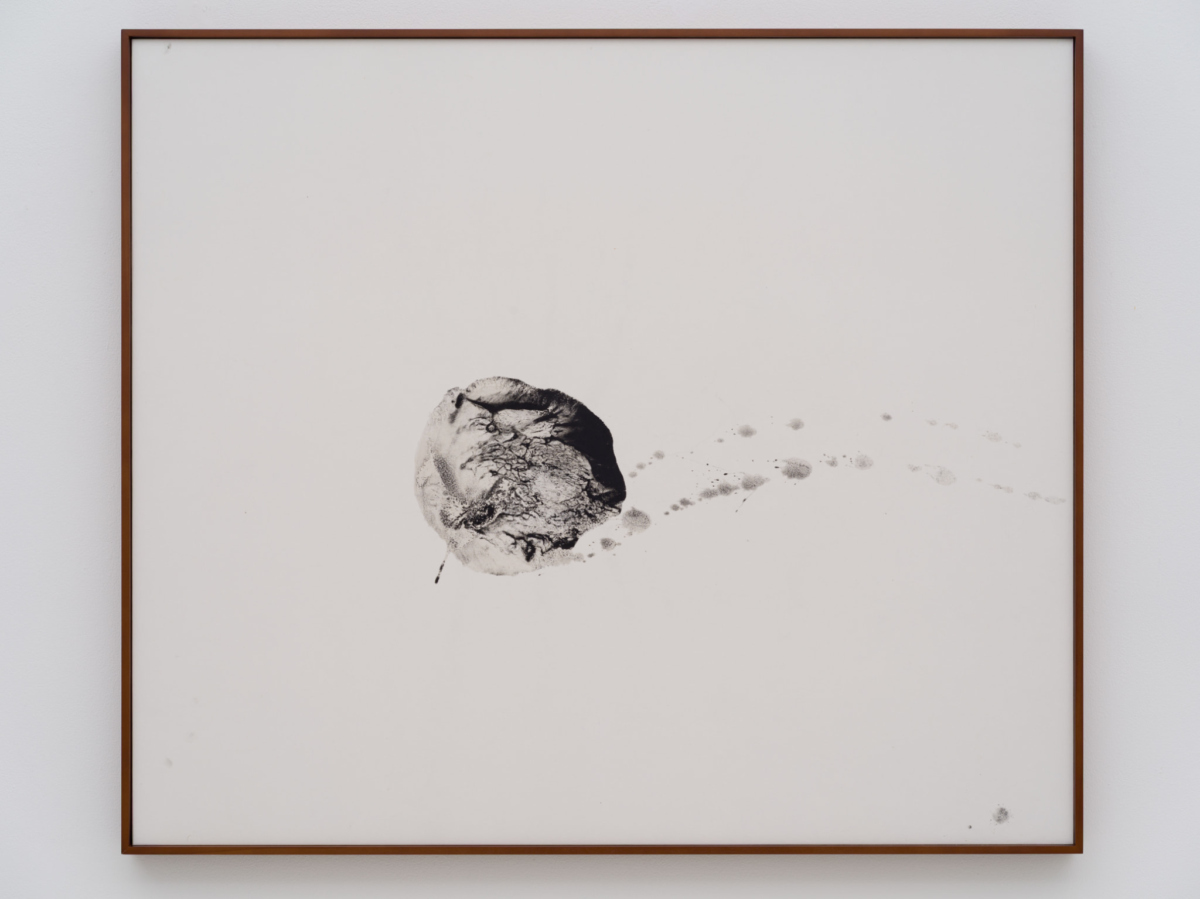
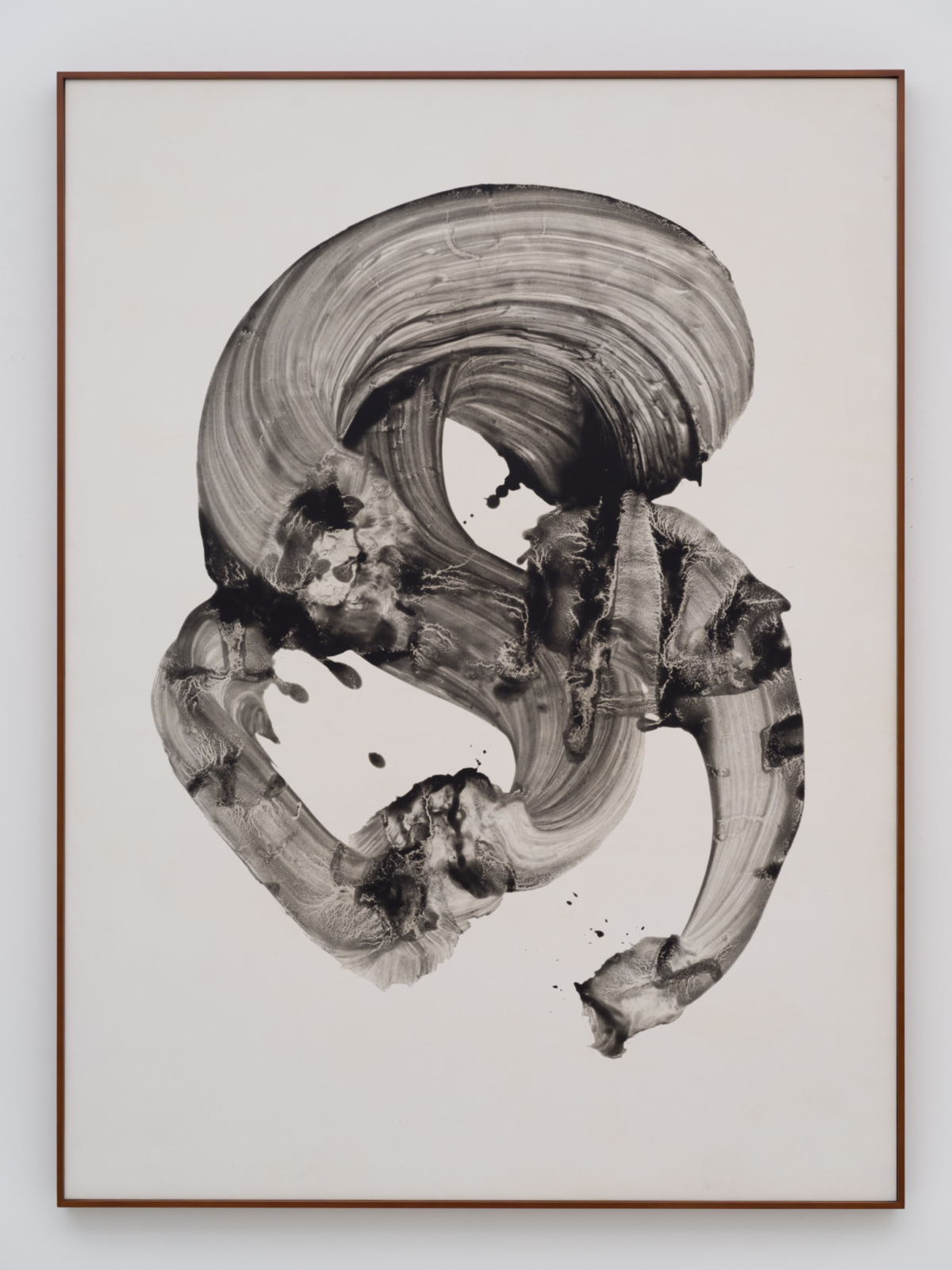
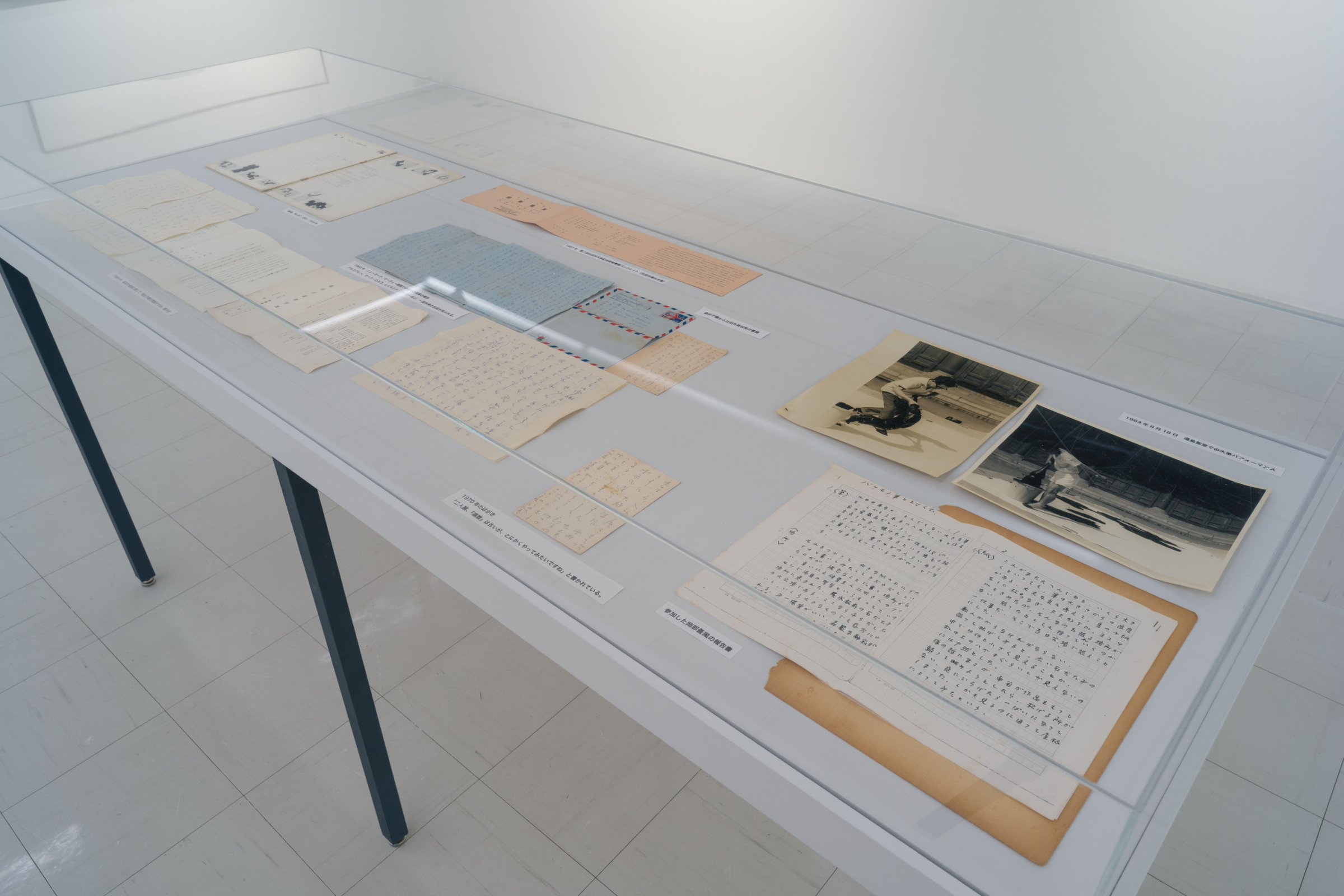
Both Nankoku Hidai (1912–1999) and Shiryu Morita (1912–1998) were artists who transcended the boundaries of traditional calligraphy and contributed to establishing an avant-garde within the field. Working against the backdrop of the postwar era, Hidai and Morita maintained a close relationship, and letters exchanged between them discussing plans for a joint exhibition have been discovered.
Nankoku Hidai was born in 1912 in Kamakura, Kanagawa Prefecture, to the “father of modern calligraphy” Tenrai Hidai and the kana calligrapher Shokin Hidai. Over the course of his explorations into the possibilities of calligraphy, he created Spirit Line 1: Lightning- Variation (1945, Chiba City Museum of Art), a work that abandoned the representational nature of kanji characters. The work shocked contemporary calligraphers and Western-style painters, sparking a debate over whether it could even be considered calligraphy. Hidai’s work also garnered attention outside Japan. In November 1959, Hidai was invited to the Rudolph Schaeffer School of Design and traveled to the United States for the first time, going on to devote himself entirely to promoting the art of calligraphy abroad by holding solo exhibitions in New York and other cities, giving university lectures on the history of calligraphy, and offering calligraphic instruction to artists. In 1964, he collaborated with Kurt Sonderborg (1923–2008), Pierre Alechinsky (1927–), and Wallace Ting (1929–2010) on a project in New York, where he gave a performance using a large brush that was captured on film.
Shiryu Morita was born in Toyooka City, Hyogo Prefecture, in 1912, and studied under Sokyu Ueda (1899–1968), a disciple of Tenrai Hidai (1872–1939). Starting to question the ossification and anachronistic nature of the calligraphy world, Morita later left his teacher and formed the Bokujinkai (“Ink People”) collective in 1952 with Yuichi Inoue, Sogen Eguchi, Yoshimichi Sekiya, and Bokushi Nakamura. He actively promoted exchanges between calligraphy and fine arts circles by organizing exhibitions that included a painting section, for example. He also launched the calligraphy journals Bokubi and Bokujin, where he was able to fully develop his talents as editor-in-chief. By featuring a painting on the cover of the inaugural issue of Bokubi by Franz Kline (1910–1962), who was still unknown in Japan at the time, and by deepening his ties with members of the Gendai Bijutsu Kondankai (“Contemporary Art Discussion Group,” or “Genbi”) such as Jiro Yoshihara (1905–1972) through Bokujin, Morita’s activities served as a catalyst for connecting calligraphy with abstract painters both in Japan and abroad, and for introducing avant-garde calligraphy to the world.
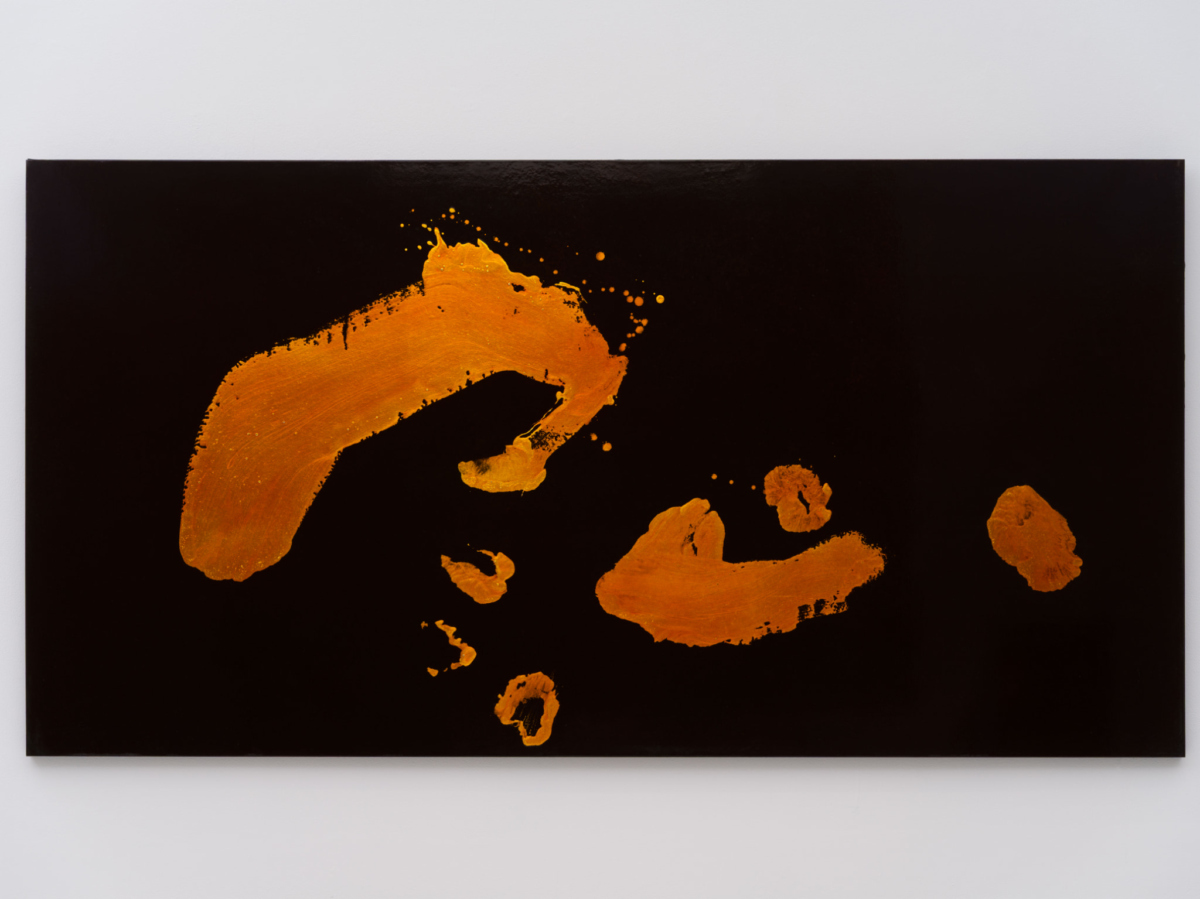
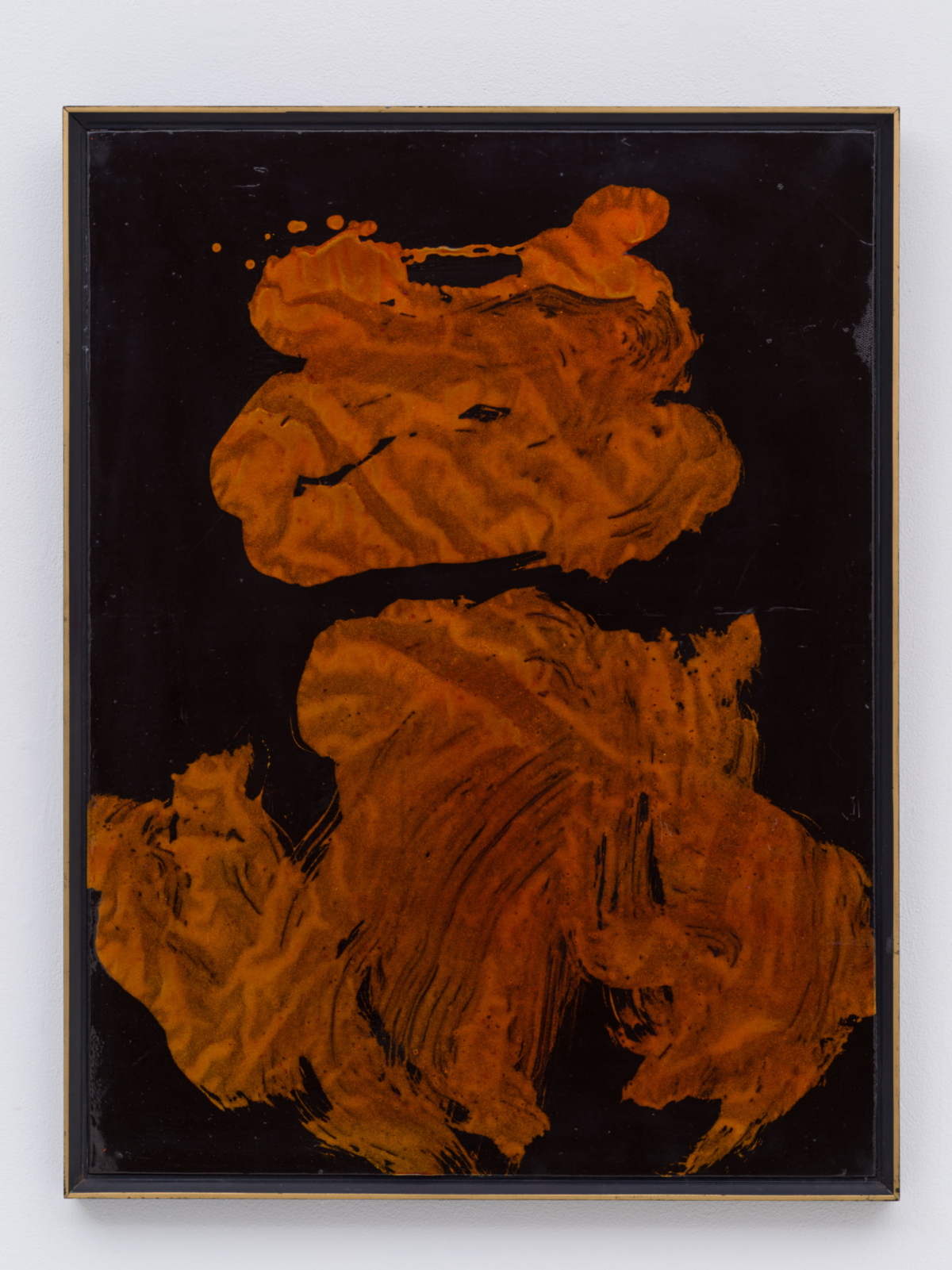
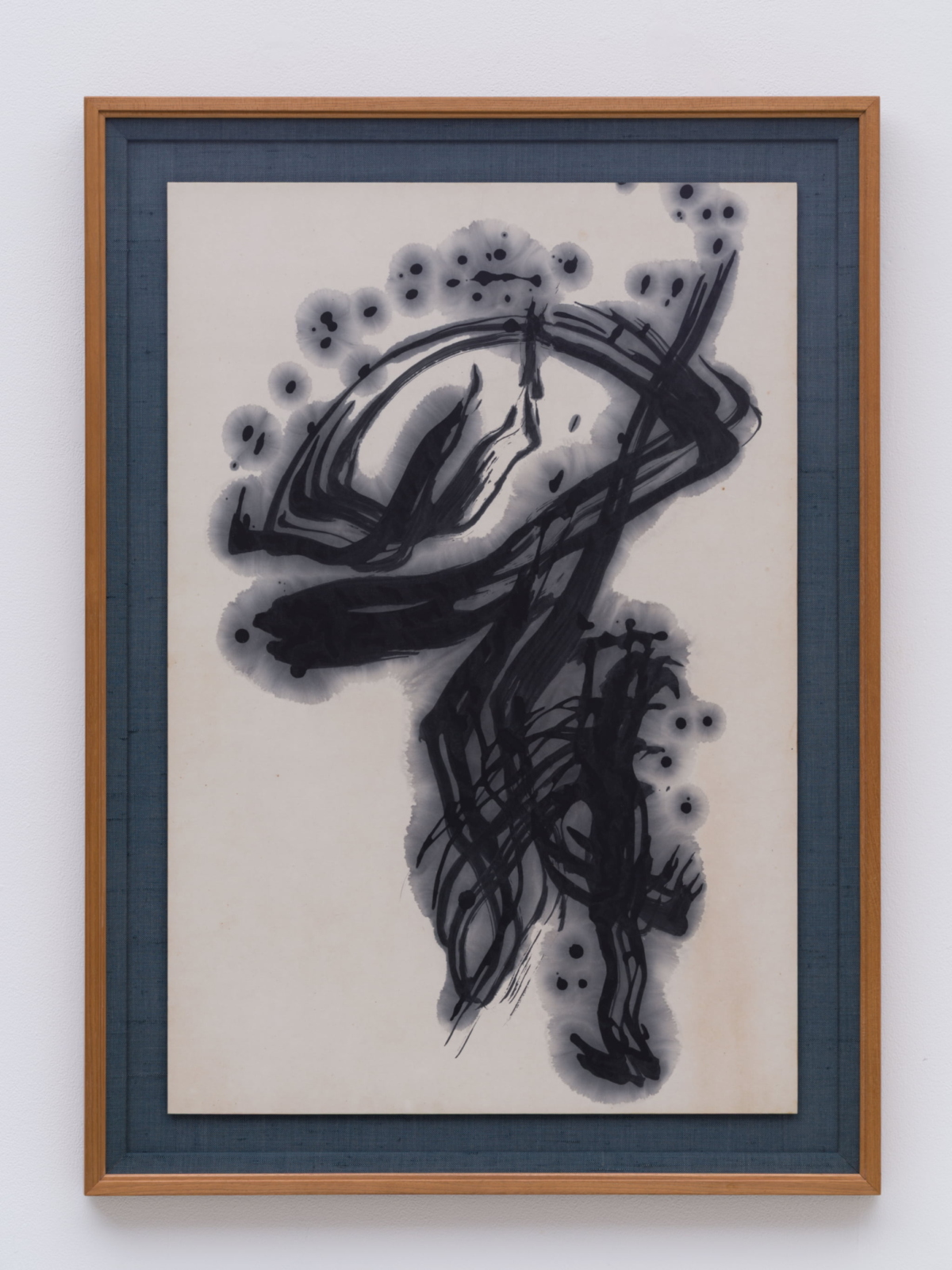
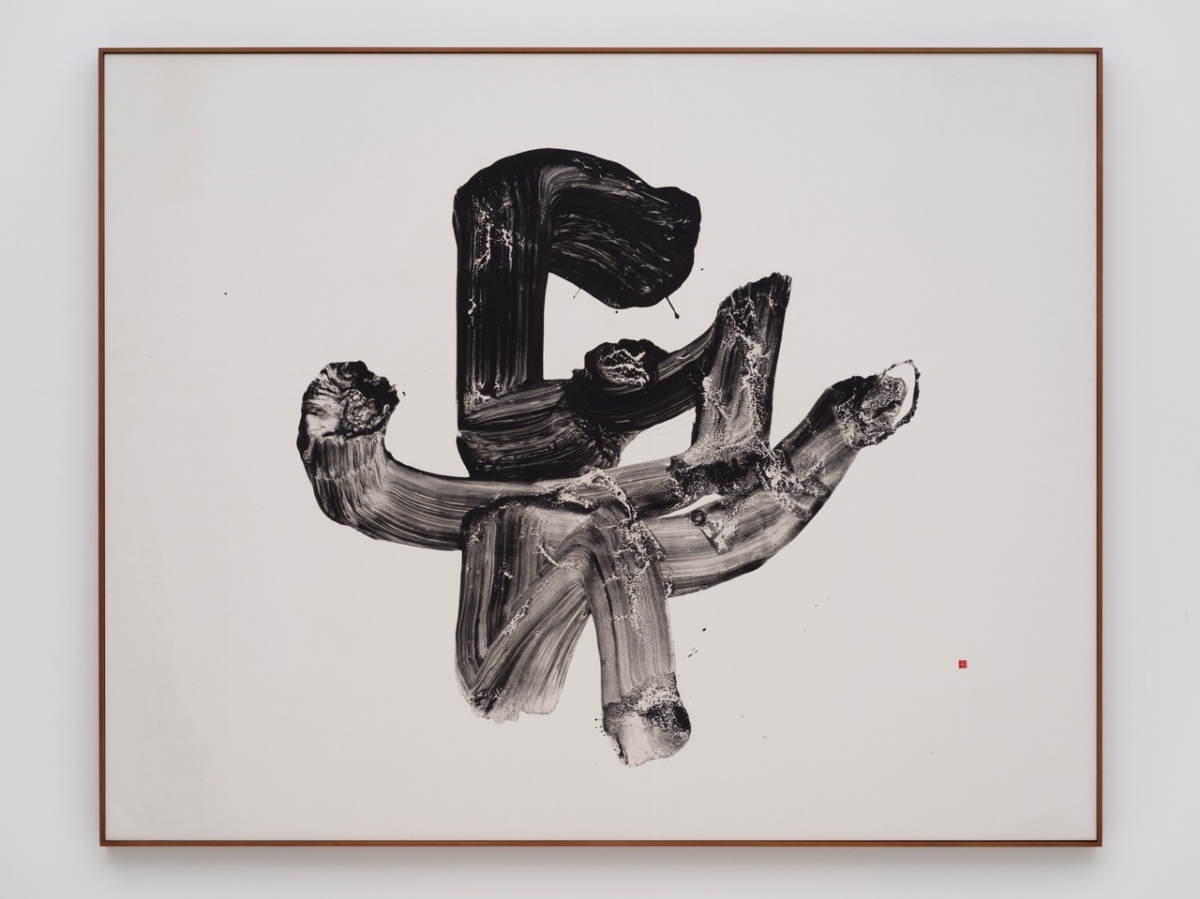
The activities of both Hidai and Morita consistently transcended the boundaries between calligraphy and other forms of visual art. They also share an affinity with each other in terms of their active engagement with contemporary Western modes of artistic expression. Hidai, who deployed canvases, panels, fiberboard, and oil paints in experimental ways, and Morita, who created shikkin (lacquer and gold) works made by writing characters in silver pigment on black paper and coating them with varnish or lacquer, were also united by a common sense of curiosity towards their various materials. At the same time, there are fundamental differences between Hidai, who eliminated textuality from his work, and Morita, who never strayed very far from it. It is our hope that presenting them side by side in this two-person exhibition will serve to highlight the commonalities and contrasts seen in their practices.
In organizing this exhibition, we received a tremendous amount of support from the families of both artists. We would like to express our sincere gratitude to them.