Beijing
Zhu Lan Urban Forest
2026/9/19–11/7
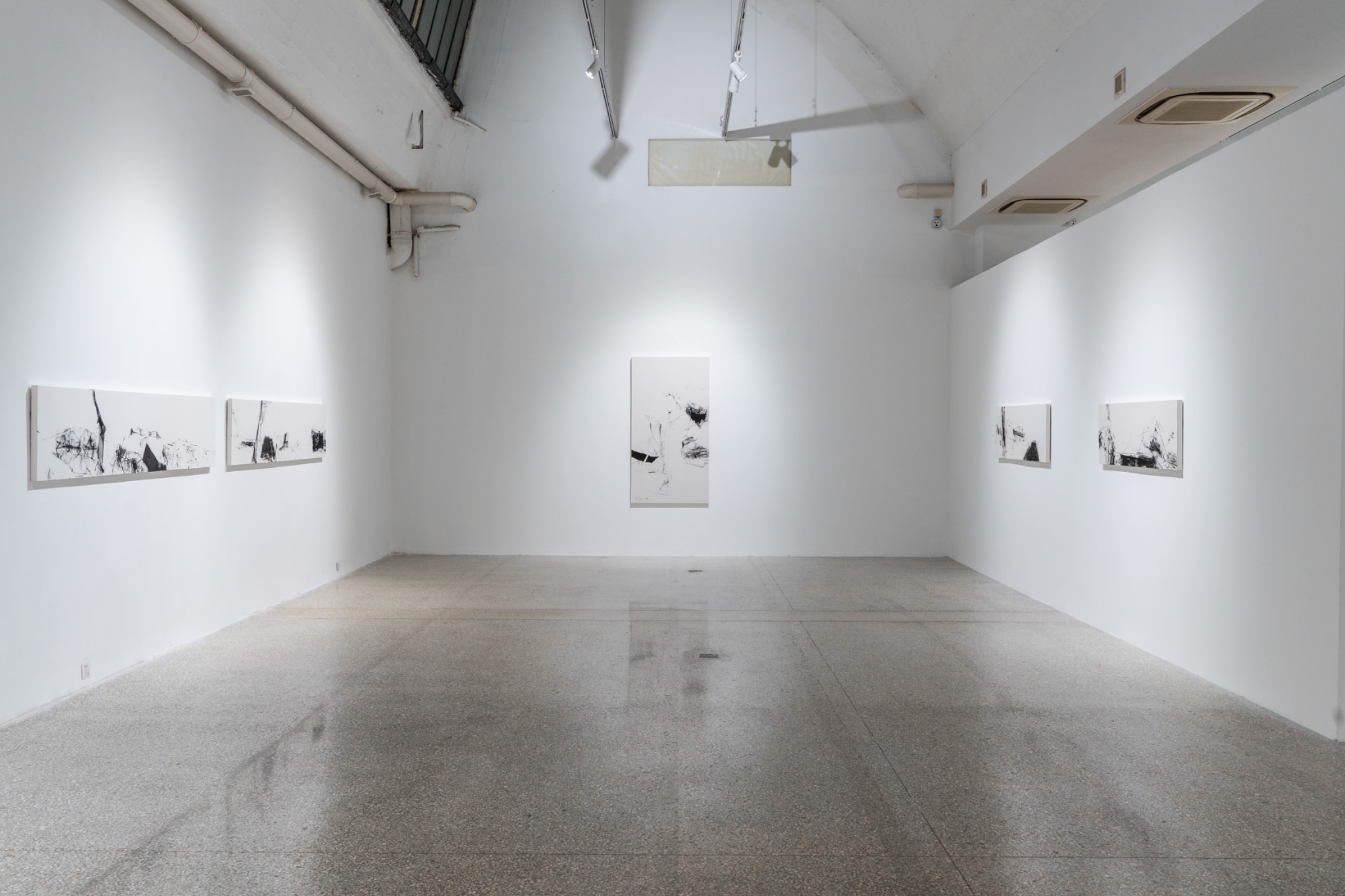
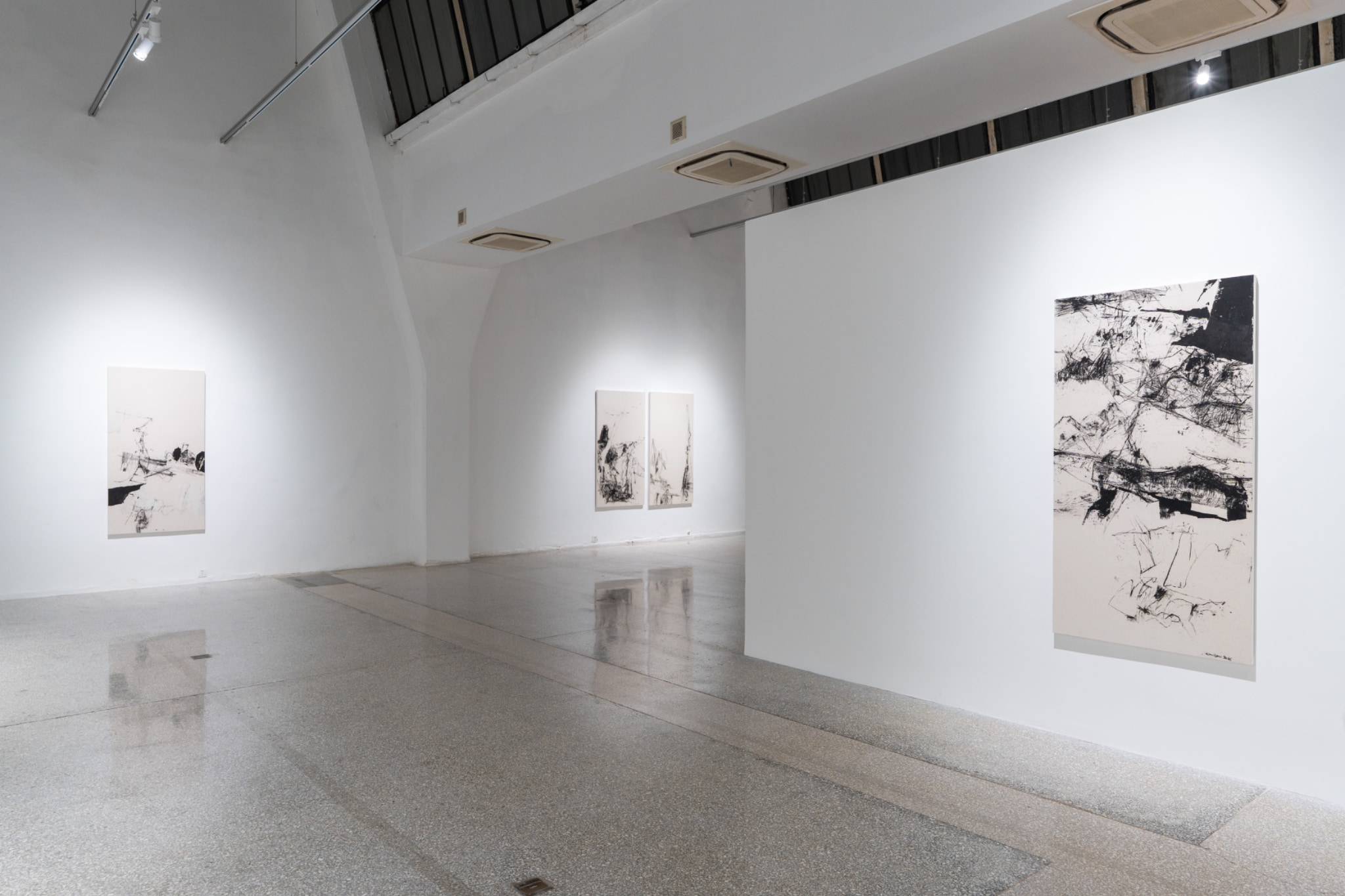
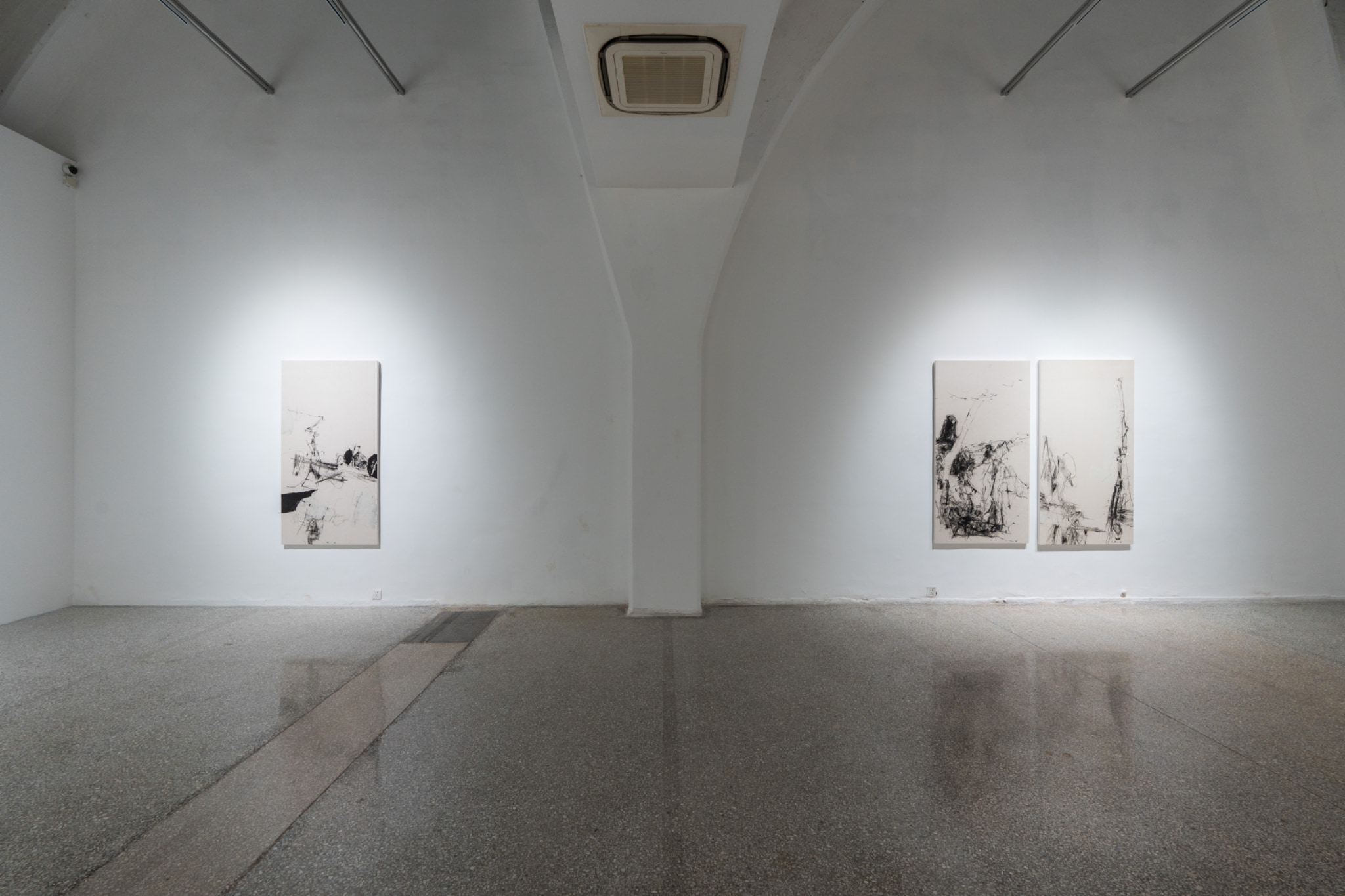
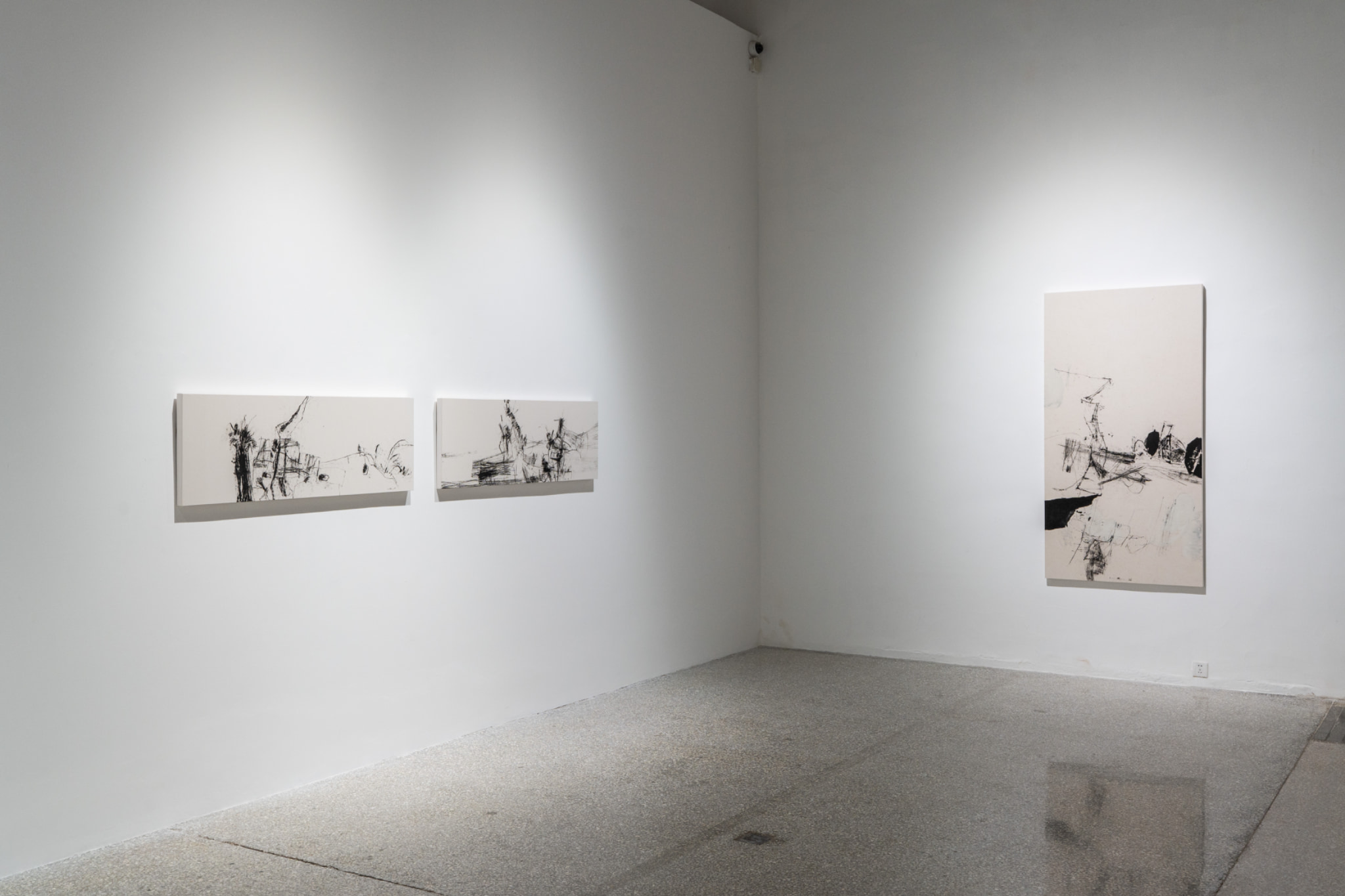
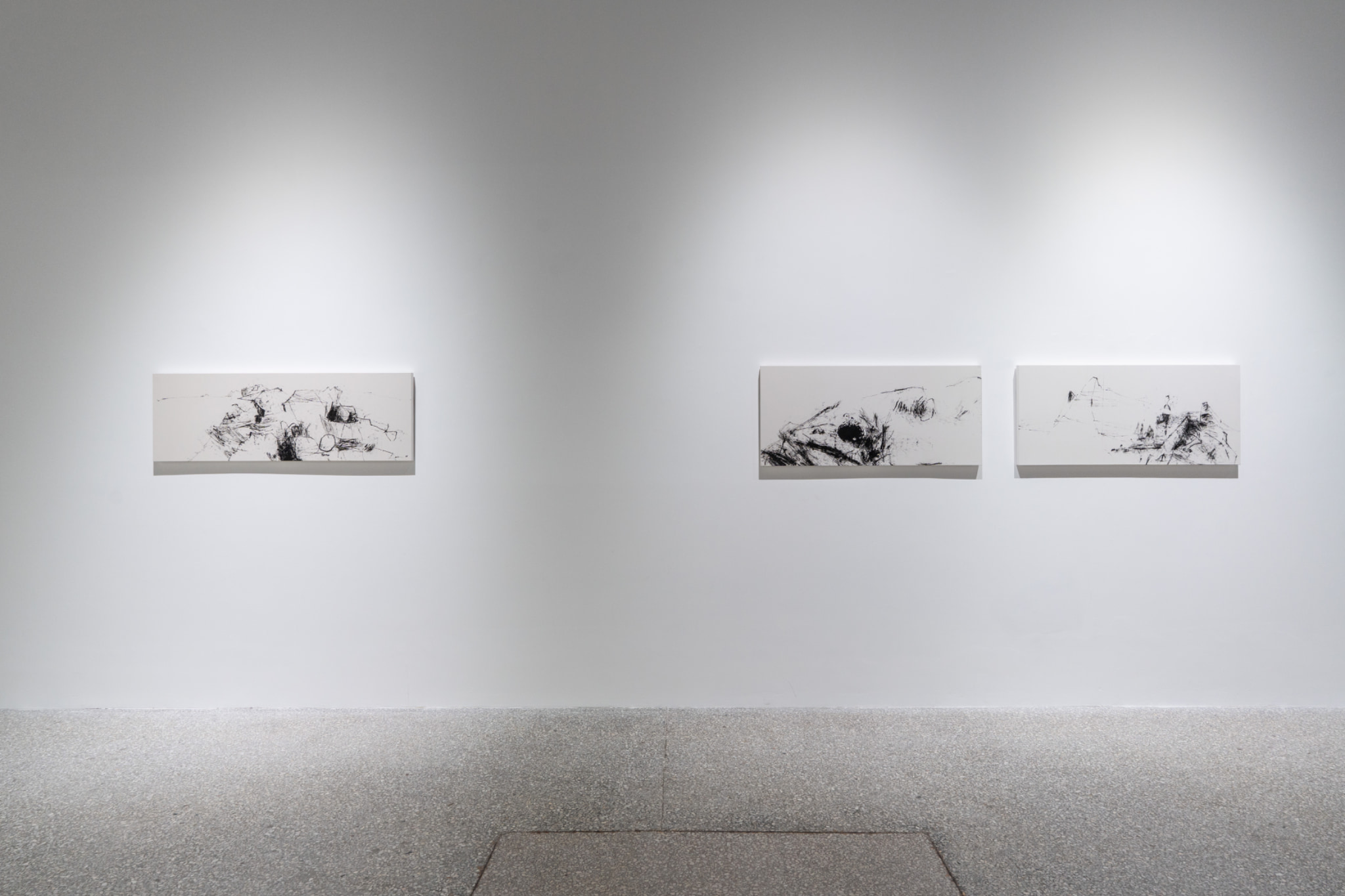
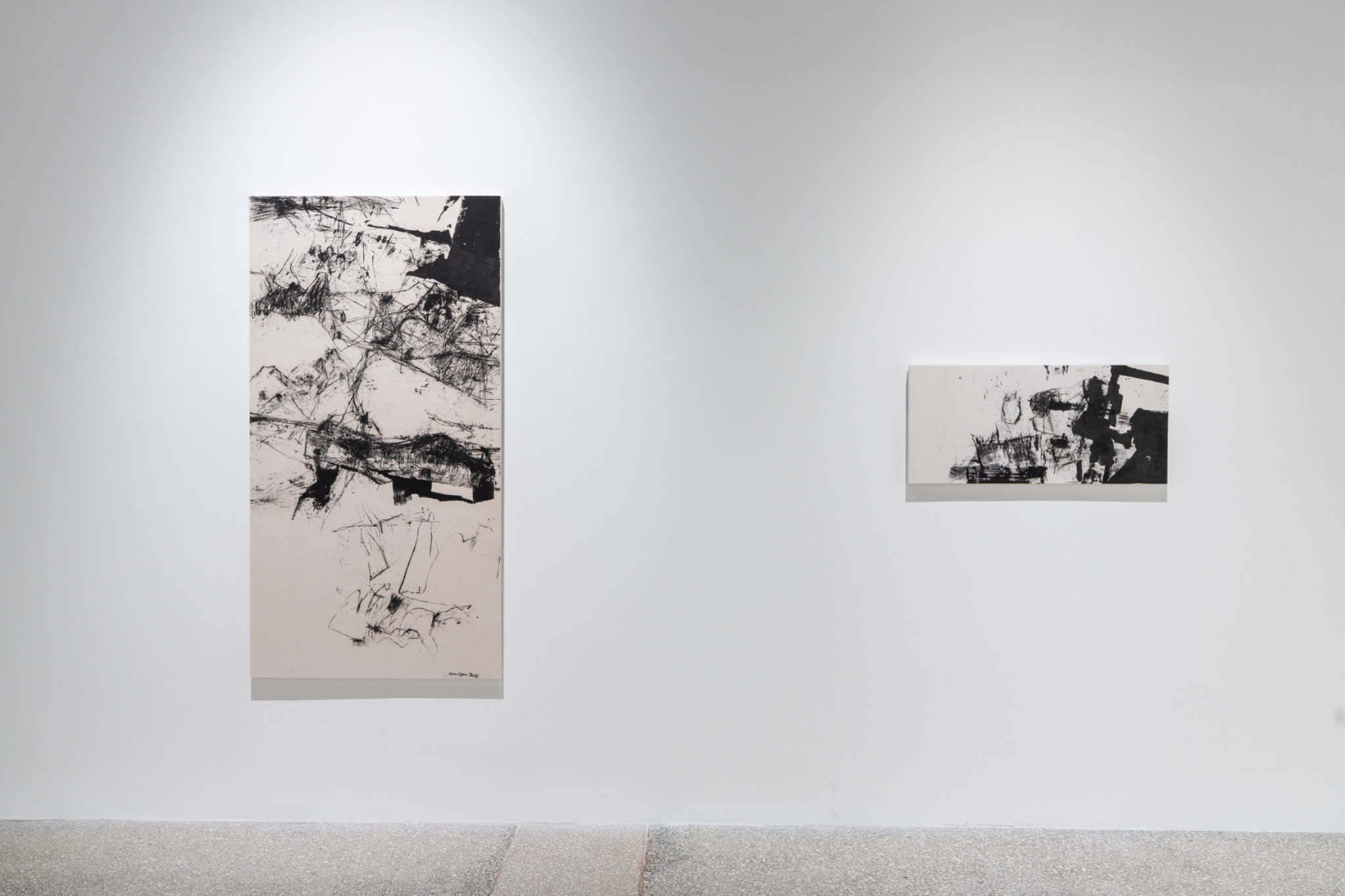
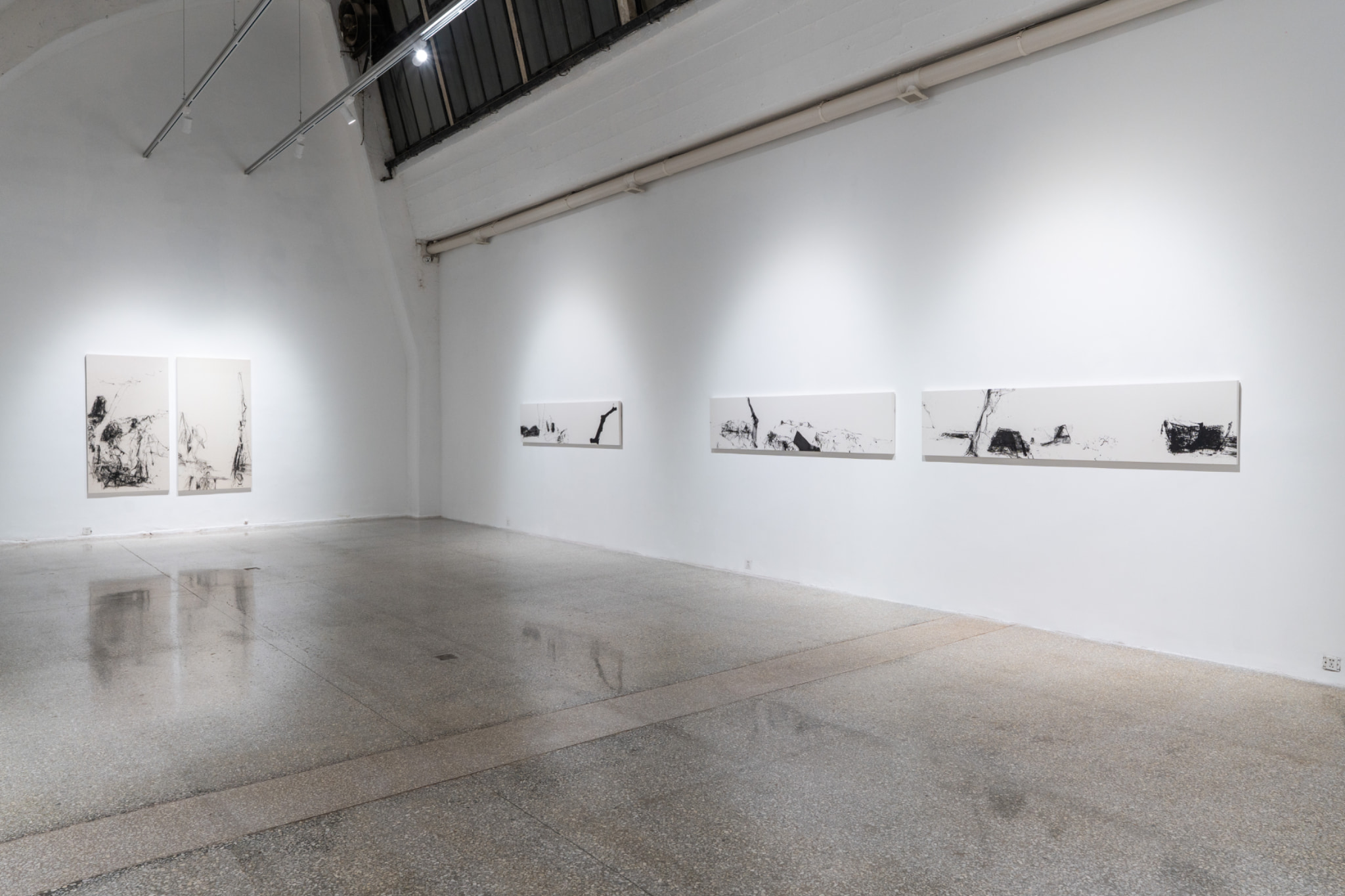
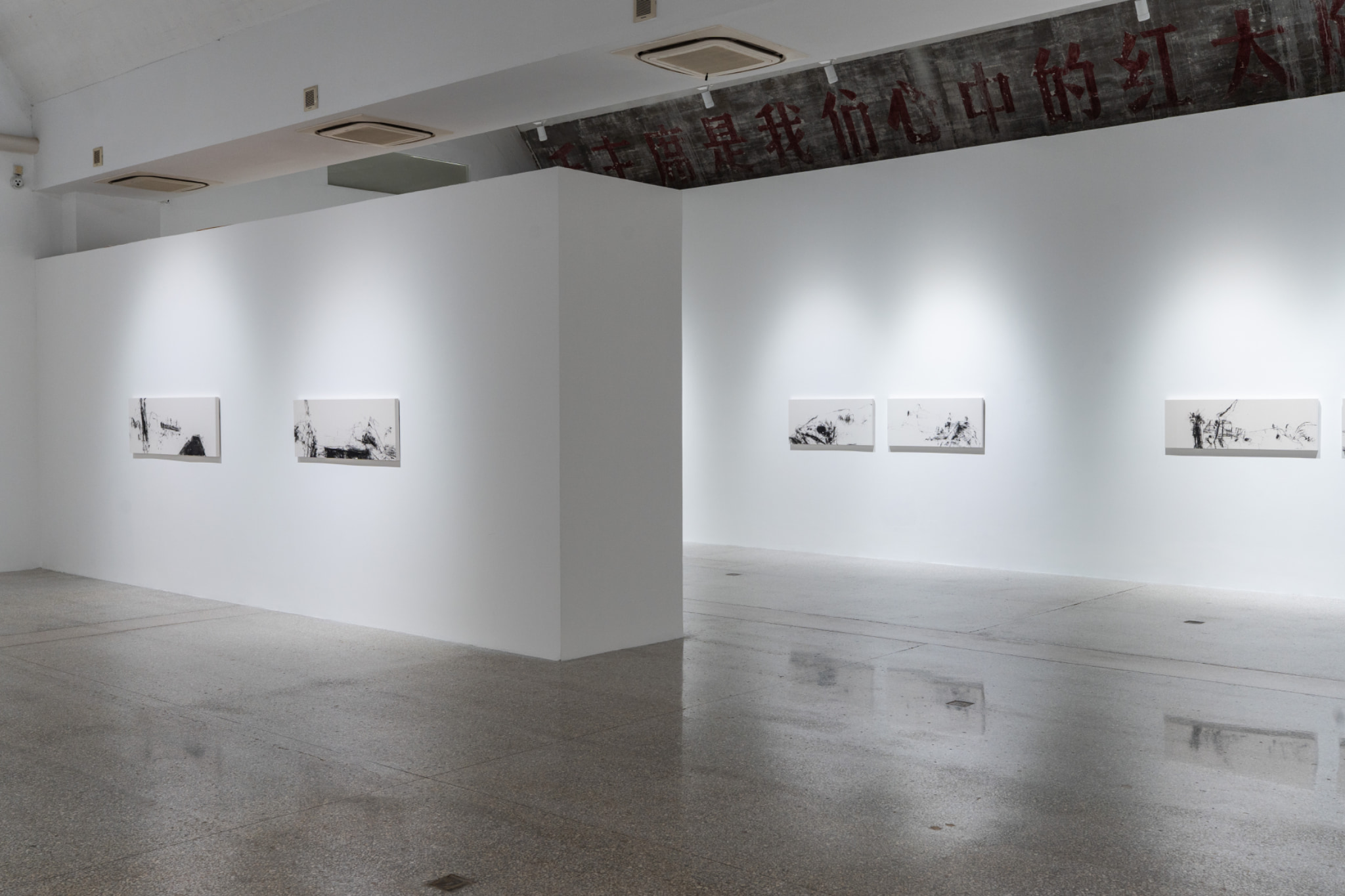
Tokyo Gallery + BTAP is pleased to announce Urban Forest, a solo exhibition by Zhu Lan, on view from September 19 to November 7, 2026.
The exhibition brings together a new body of work recently completed in Vancouver, marking an important presentation of Zhu Lan’s ongoing introspective practice shaped by her experience of living across different geographical and cultural contexts. Over the years, Zhu has developed a distinctive painterly language through dots, lines, and traces of ink. While her works often appear spontaneous and unrestrained, they are underpinned by a precise sense of structure and restraint. Moving between abstraction and figuration, her fluid brushwork and layered ink surfaces evoke the forms and rhythms of mountains, trees, and the natural landscape. For Zhu, painting practice remains the best manifestation of lived experience. Subtle shifts in emotion and the accumulation of personal experience are translated into visible marks of ink, allowing each work to become a record of an evolving personal spirit.
The title Urban Forest comes from Zhu’s recent experience of living in Vancouver and from her profound senses of its particular environment. Contrary to familiar impressions of urban spaces defined by density and noise, Vancouver is surrounded and permeated by forests, lakes, and streams, with native vegetation existing in close proximity to the built environment. Architecture and ecosystems of nature coexist throughout the city, producing an unusual continuity between urban life and the natural landscape. For Zhu, the openness and relative calmness of this environment created the conditions for a different way of working. Within this fine balance between human habitation and tranquil nature, she began to loosen established habits of artmaking and to move beyond familiar modes of expression. This shift became a central point of departure for the new works presented in the exhibition.
Zhu Lan’s practice has long developed at a measured pace, guided by an attentiveness to her own experience rather than by the pursuit of stylistic change. More than a decade ago, she returned to her native Beijing, where transformations in the urban environment and changes in her personal circumstances sharpened her awareness of the subtle relationship between place and self. Over the nearly three decades since her twenties, her life has gradually assumed a greater sense of calm and stability, while her engagement with painting has continued to evolve. Rather than seeking innovation in technique or the deliberate construction of a recognizable style, Zhu approaches painting as an extension of lived experience: a means of registering shifts in perception, state of mind, and the passage of life itself.
Within this context, painting holds a significance for Zhu that extends beyond technique or formal language. The sustained concentration required by the act of painting offers a particular form of stillness, while the work itself carries an increasingly personal sense of value and meaning. Her practice is accompanied by continuous self-introspection: reconsidering established decisions, testing habitual responses, and remaining alert to the ways in which hesitation can redirect a practice and repetition can dull perception. Vancouver’s expansive natural environment has further transformed Zhu’s understanding of both art and life. In encountering the scale and complexity of the natural world, conventional definitions, the self-conscious pursuit of breakthroughs, and the repetition of established formulas begin to lose their urgency. What becomes more important is a willingness to observe, accept, and remain receptive. The coexistence of city and forest has given Zhu a greater sense of openness in her recent practice, allowing her to work with fewer predetermined expectations and to approach her own experience with greater ease. From this position, curiosity toward nature, everyday life, and painting itself continues to provide the impetus for her work.