
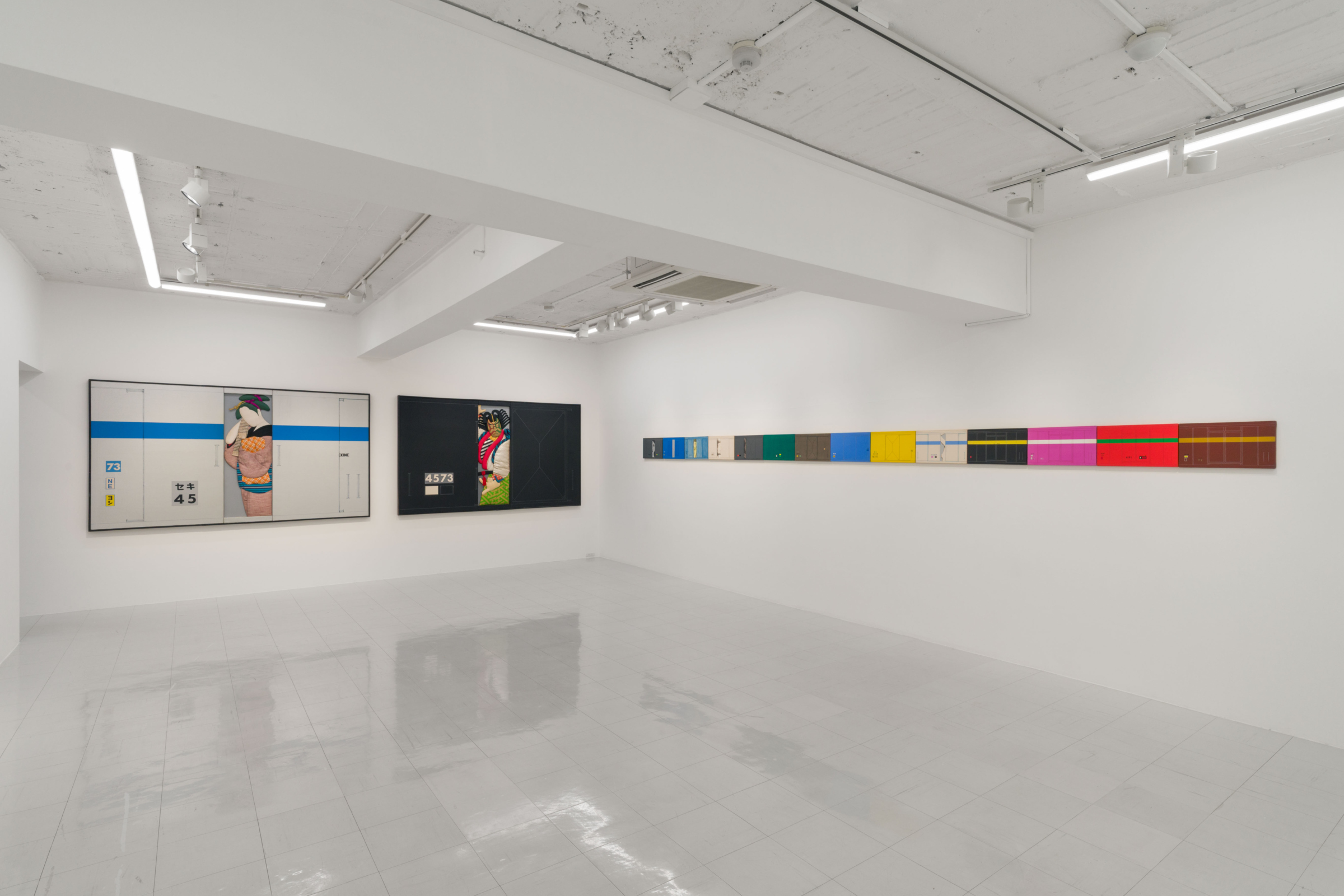
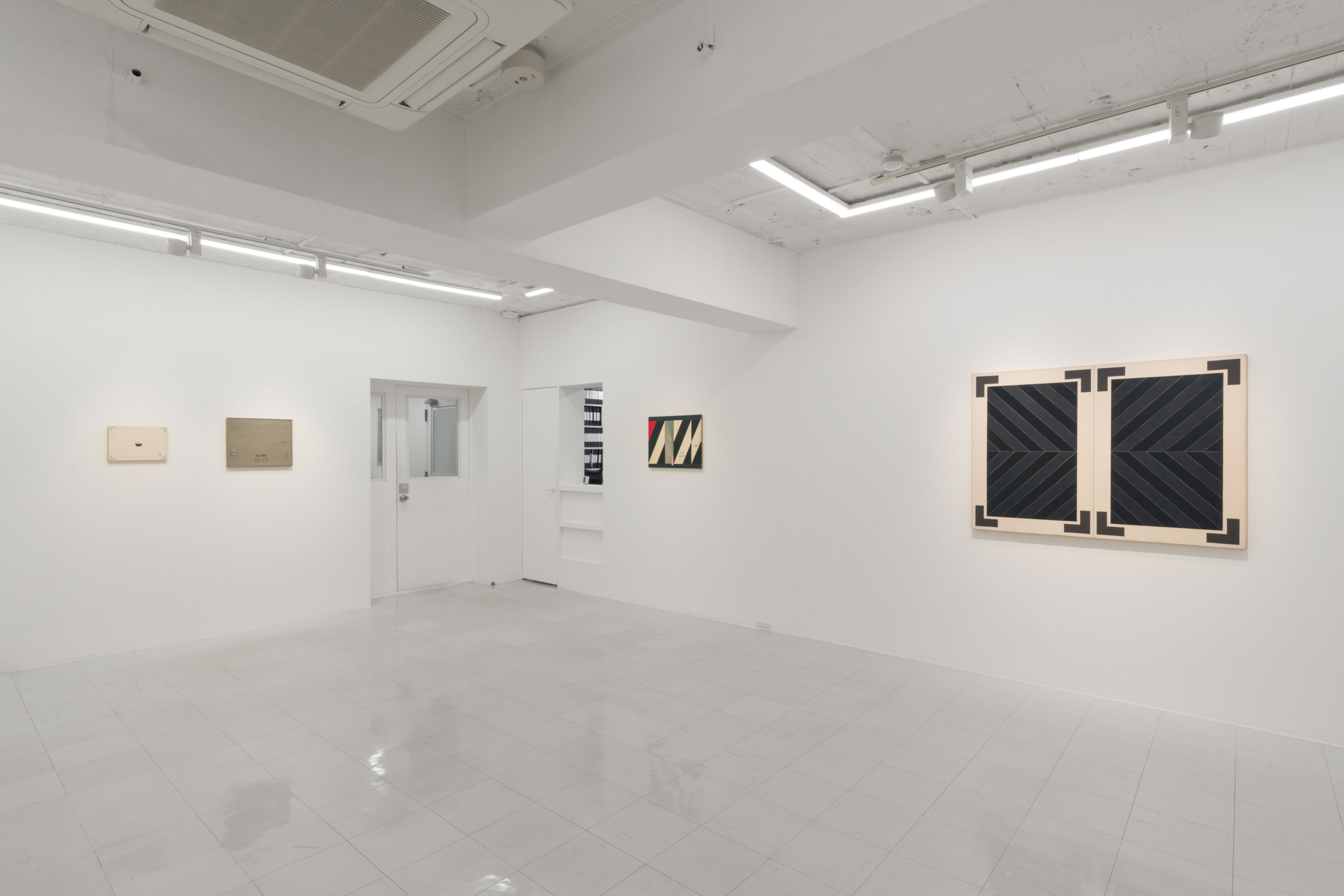
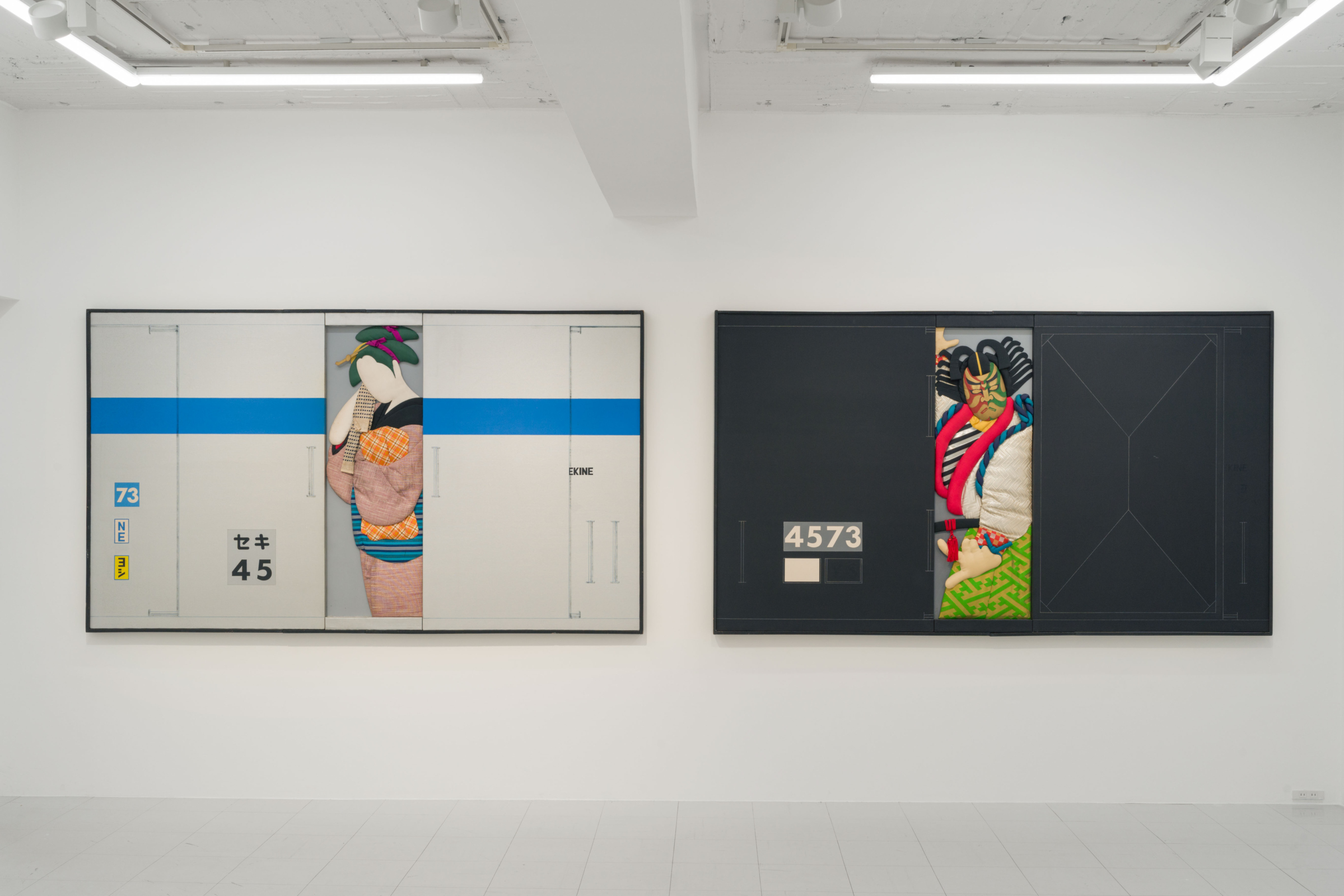
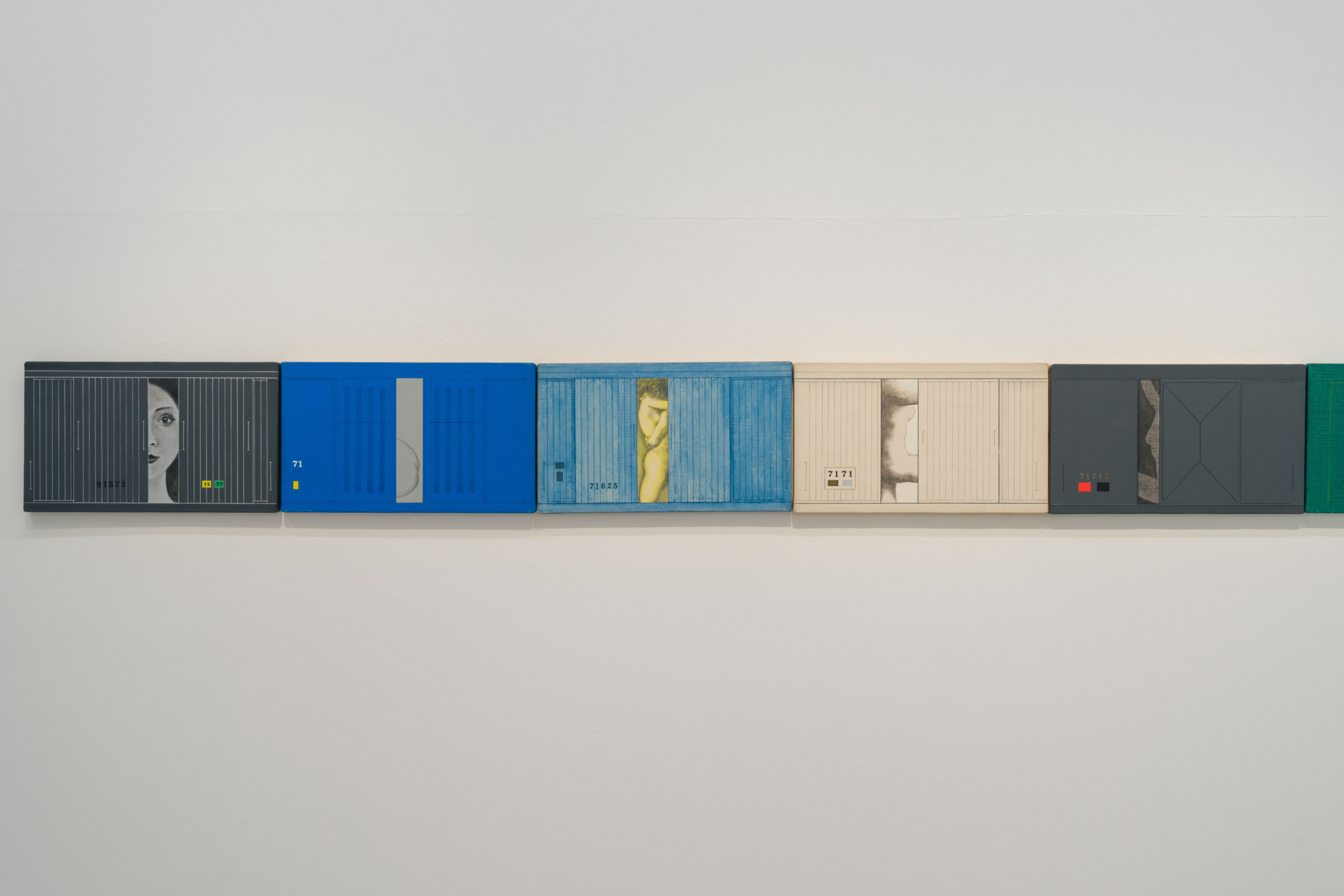
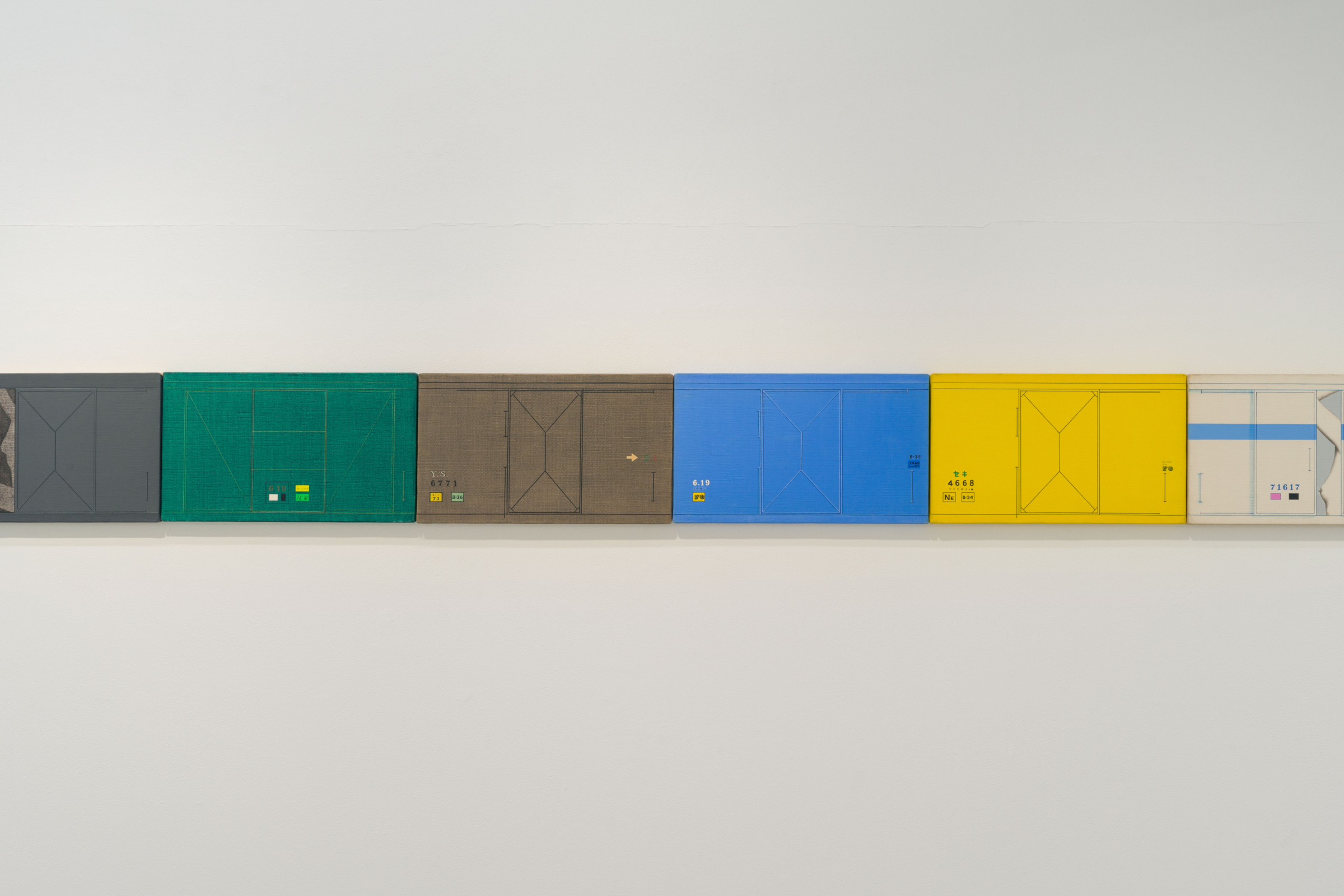
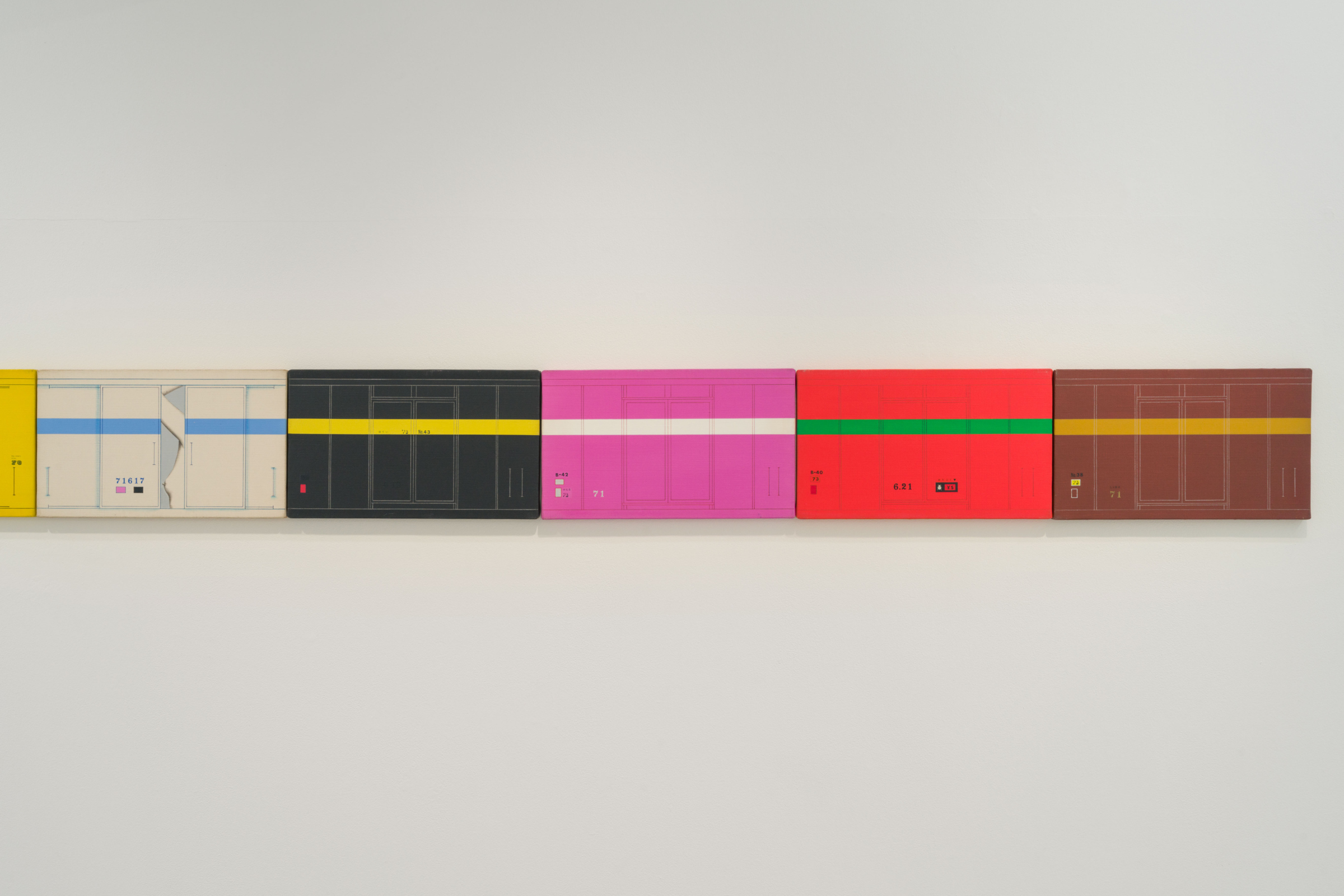
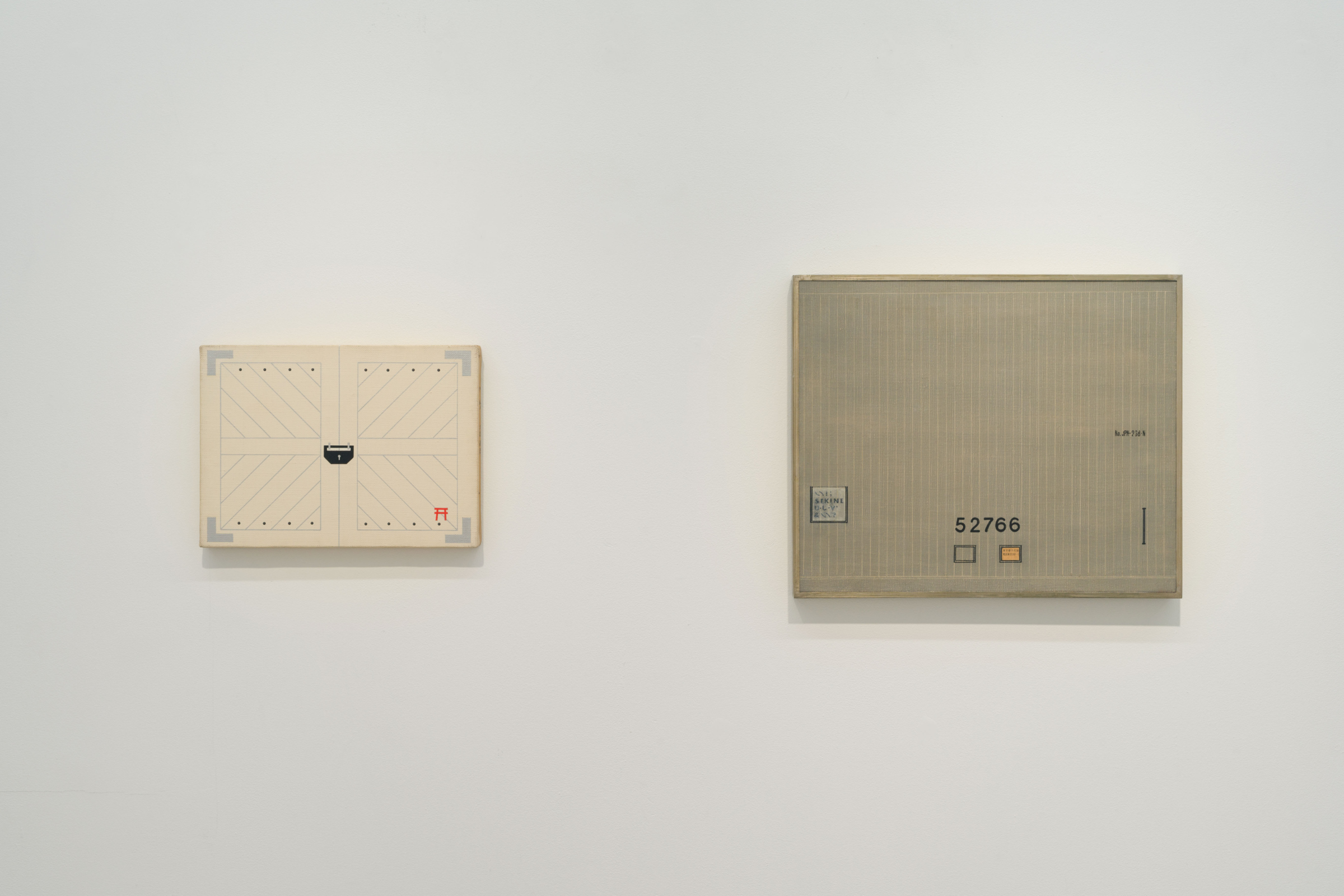
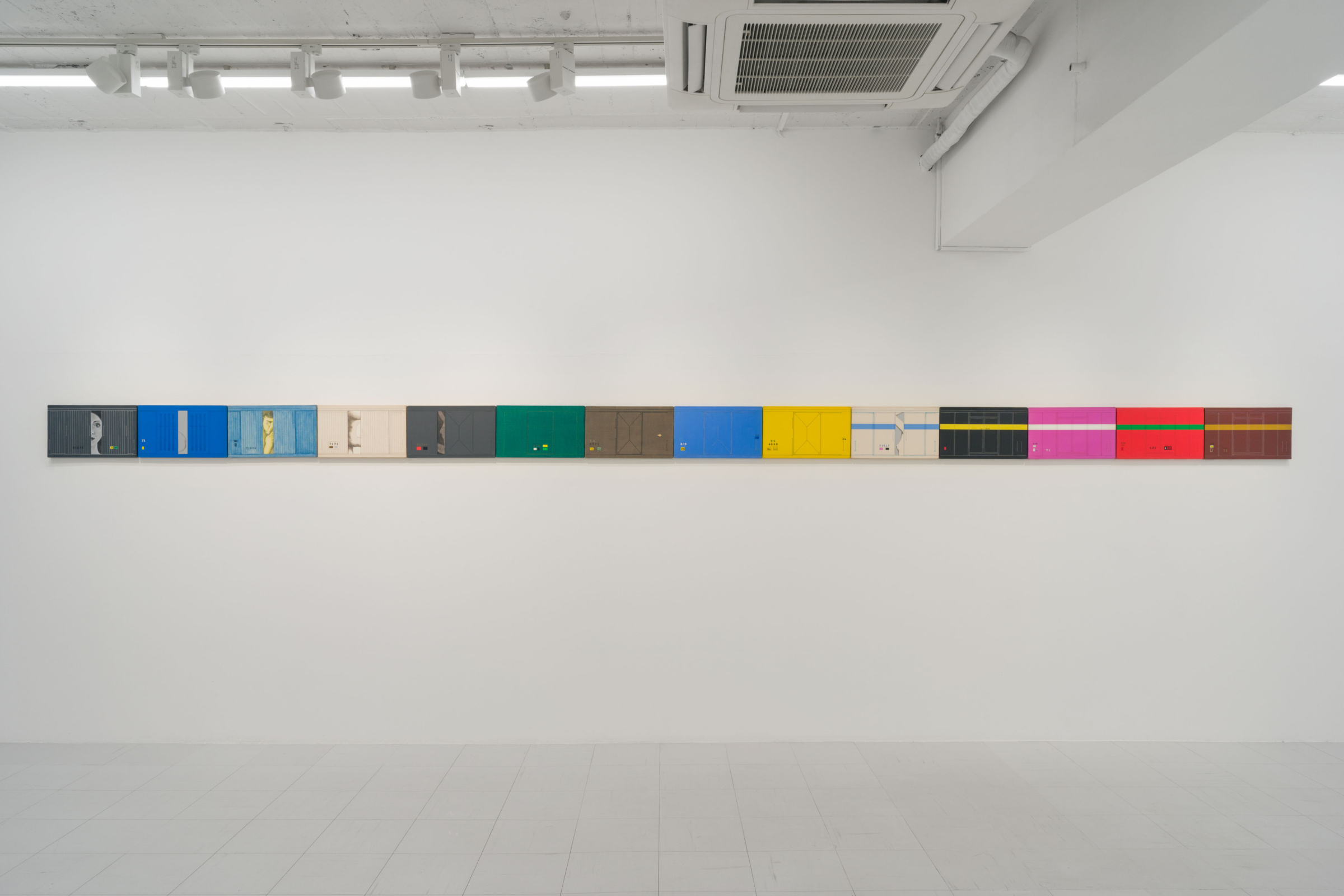
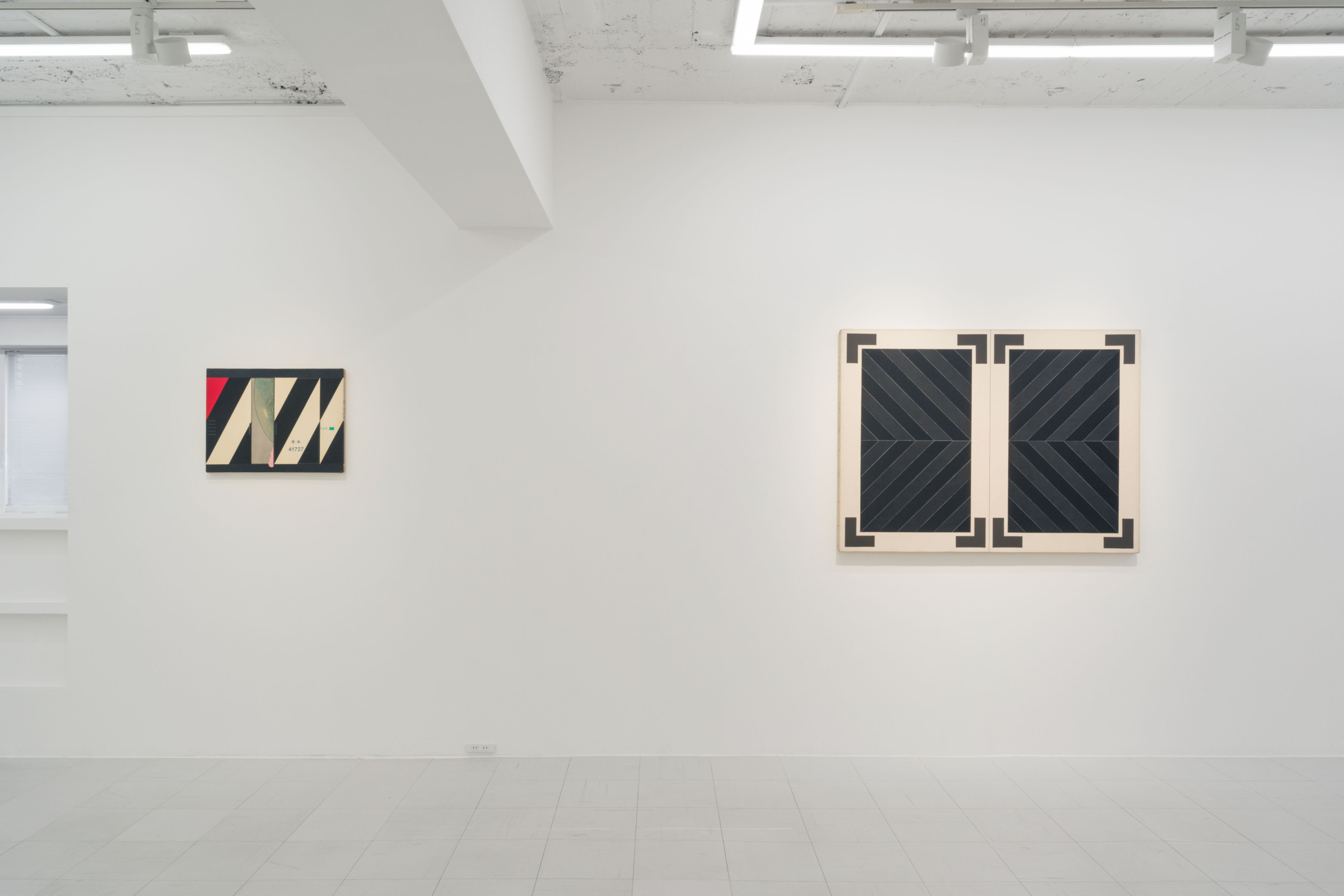
Tokyo Gallery + BTAP is pleased to announce the exhibition “Yoshio Sekine: From the ‘Gate’ and ‘Boxcar’ Series,” starting Saturday, August 29.
Yoshio Sekine (1922–1989) was a leading figure in postwar Japanese art, and we have held six solo exhibitions of his work since 1965. Major institutions that have acquired his works include the National Museum of Modern Art, Tokyo; the National Museum of Art, Osaka; the Museum of Modern Art, Wakayama; the Takamatsu Art Museum; the Ashiya City Museum of Art; the Metropolitan Museum of Art (New York); and the He Art Museum (China). The solo exhibition held at our gallery in 2022 focused primarily on abacus-themed paintings. This exhibition showcases a series of paintings of boxcars and gates created from the 1960s through the early 1970s, displayed alongside his abacus works.
Yoshio Sekine was born in Wakayama Prefecture. Through the Jiyu Bijutsu Kyoukai (Free Artists’ Association), he met Jiro Yoshihara (1905–1972) and was involved in the founding of the Gutai Art Association in 1954. In 1955, he exhibited at The 7th Yomiuri Independent Exhibition, and in 1958, he participated in The International Art of a New Era: Informel and Gutai (which opened in Osaka and then travelled to Tokyo, Kyoto, Hiroshima, and Nagasaki), curated by Michel Tapié (1909–1987). Sekine left Gutai and moved to Tokyo in 1959. At The 15th Yomiuri Independent Exhibition in 1963, he presented a painting of an abacus for the first time. From this point, Sekine went on to build his oeuvre around recurring motifs such as abacuses, gates, rail wagons and Mt. Fuji. His other notable exhibitions include Trends in Contemporary Art: Paintings and Sculptures (the National Museum of Modern Art, Kyoto, 1964), The 2nd Nagaoka Contemporary Art Museum Award Exhibition (Nagaoka-shi, Niigata, 1965) and The 1960’s: A Decade of Change in Contemporary Japanese Art (the National Museum of Modern Art, Tokyo, 1981, later travelling to the National Museum of Modern Art, Kyoto).
Sekine, who had created abstract paintings that emphasized a sense of physicality and materiality during his time with the Gutai Art Association, distanced himself from that tendency upon leaving the group. Sekine produced numerous works in his “Abacus” series, said to have been inspired by Jasper Johns’s “Target” series, exploring various compositions and color schemes in this format right up until the end of his life. After beginning the “Abacus” series, he also simultaneously produced experimental works such as the “Gate” and “Boxcar” series. What these three series have in common is a certain two-dimensional quality to the images. Just as Sekine depicted abacuses from the front, he depicted boxcars and gates from the side, seeking to create visual compositions that were devoid of any sense of perspective. In addition, just as the positions of the beads on an abacus indicate numbers, the works in his “Boxcar” series are dotted with enigmatic numbers and symbols, ushering us into a domain that seems to exist somewhere between abstraction and figuration. These experiments functioned as important milestones as Sekine moved toward an anti-illusionist approach to painting.
We look forward to welcoming you to this exhibition.