Beijing
Wang Yongxue Far and Near, Dusk and Dawn
2026/7/25–9/5
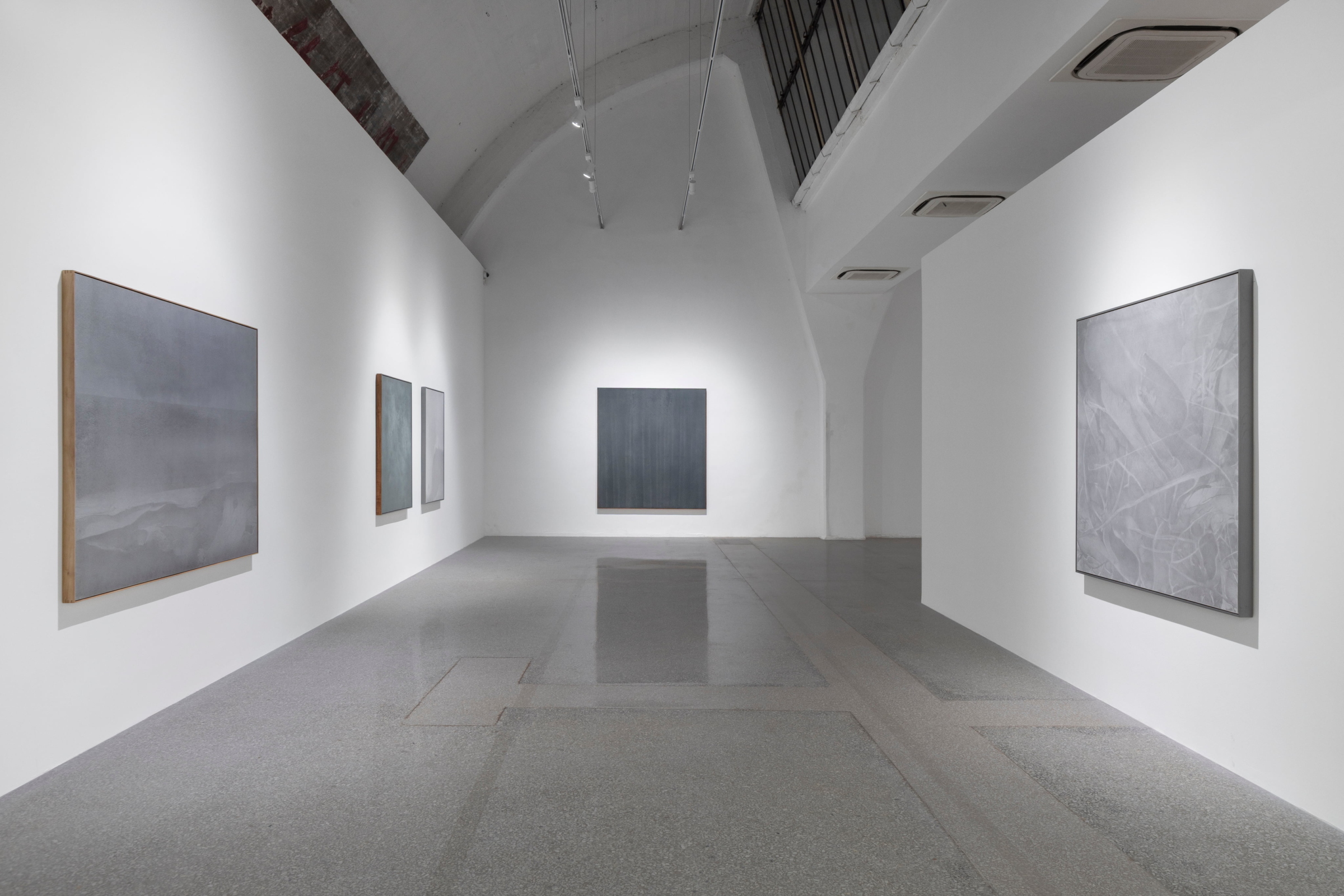
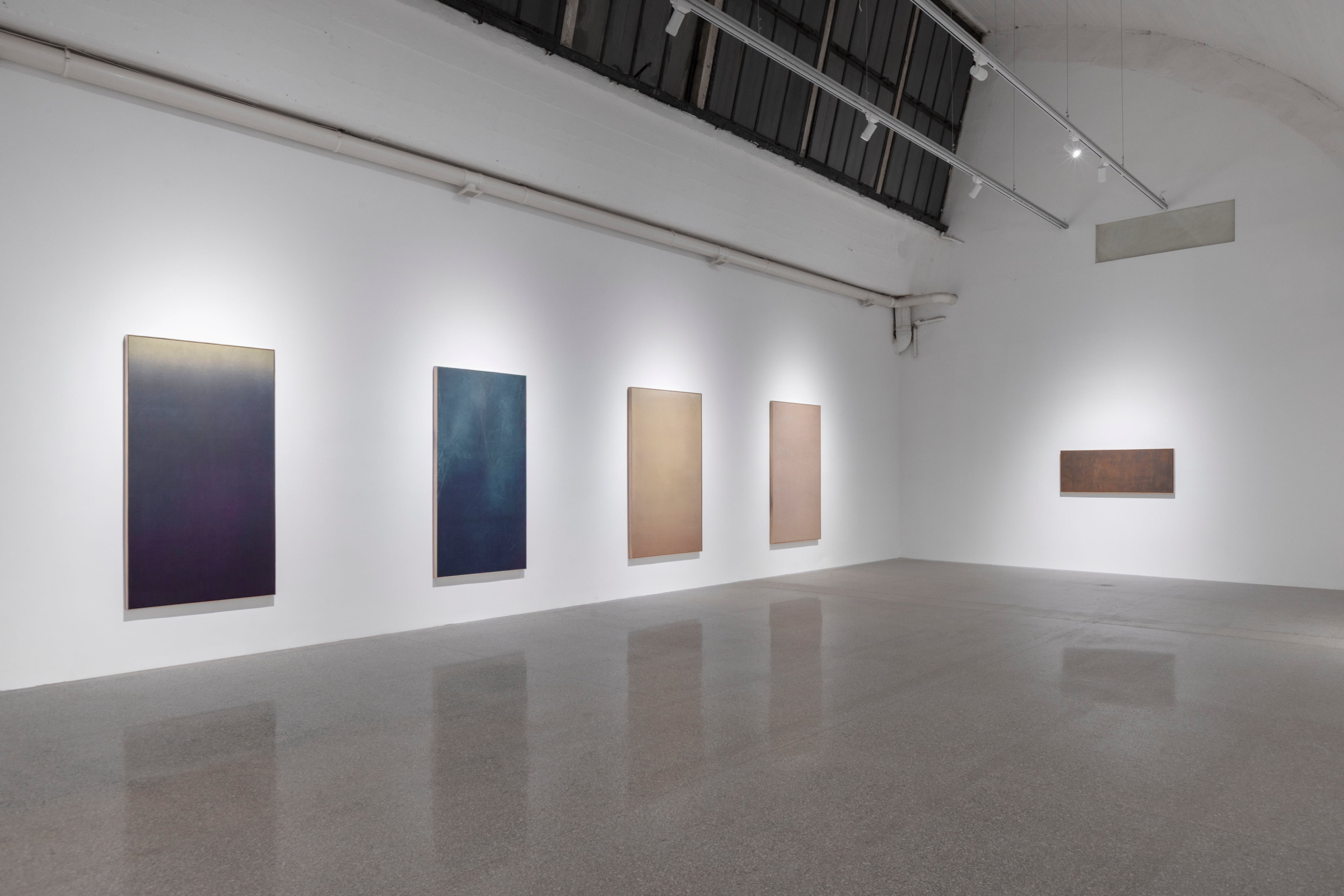
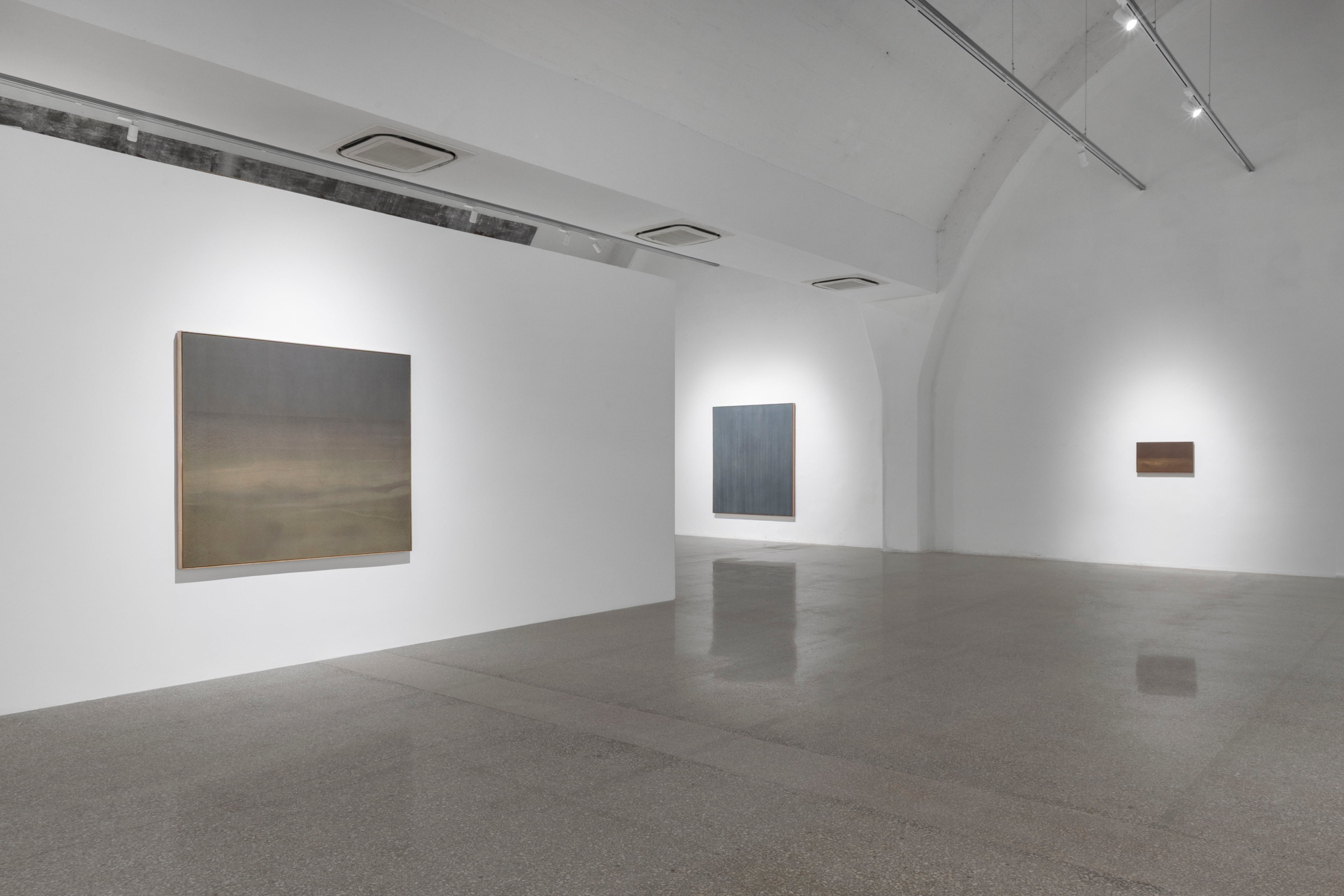
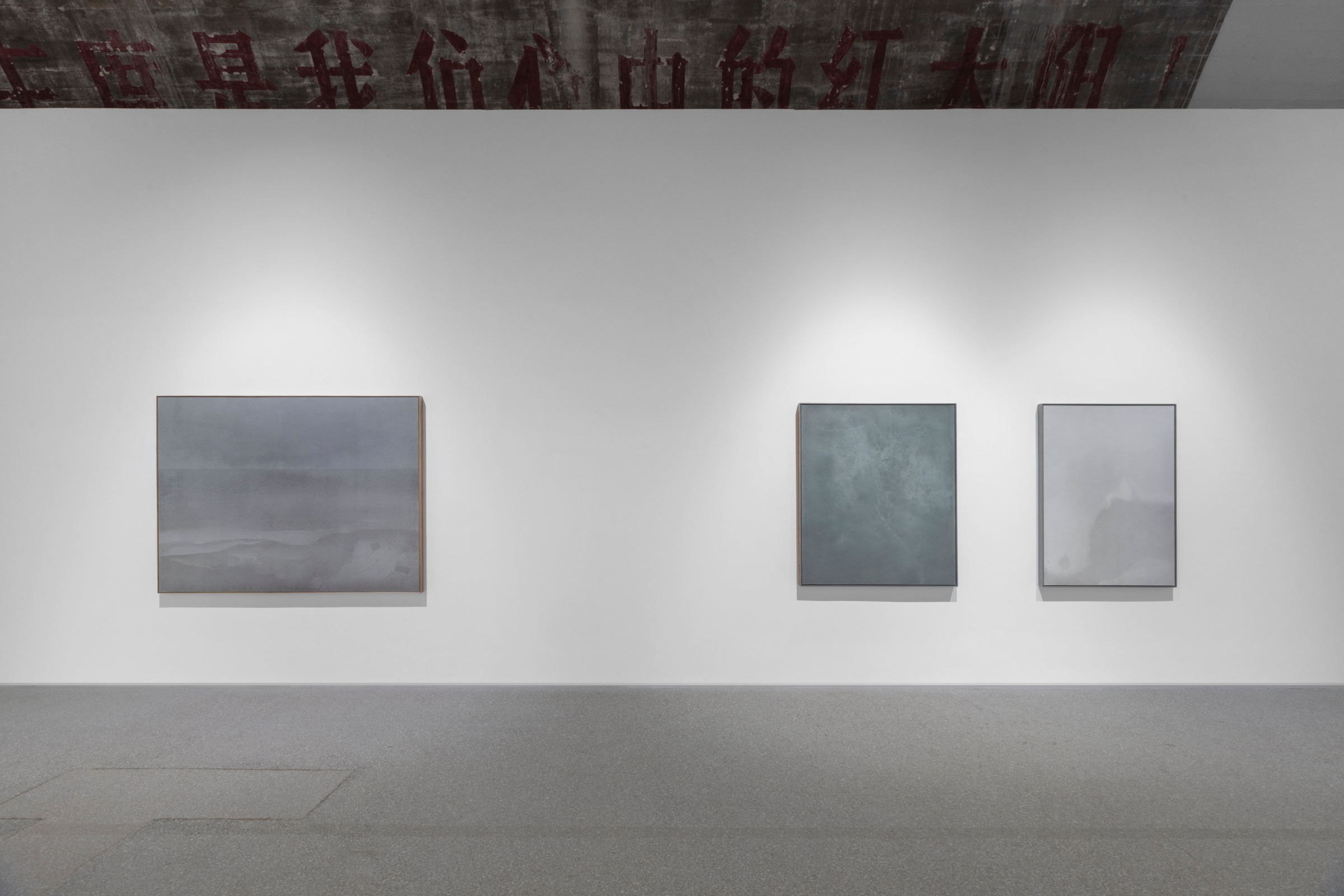
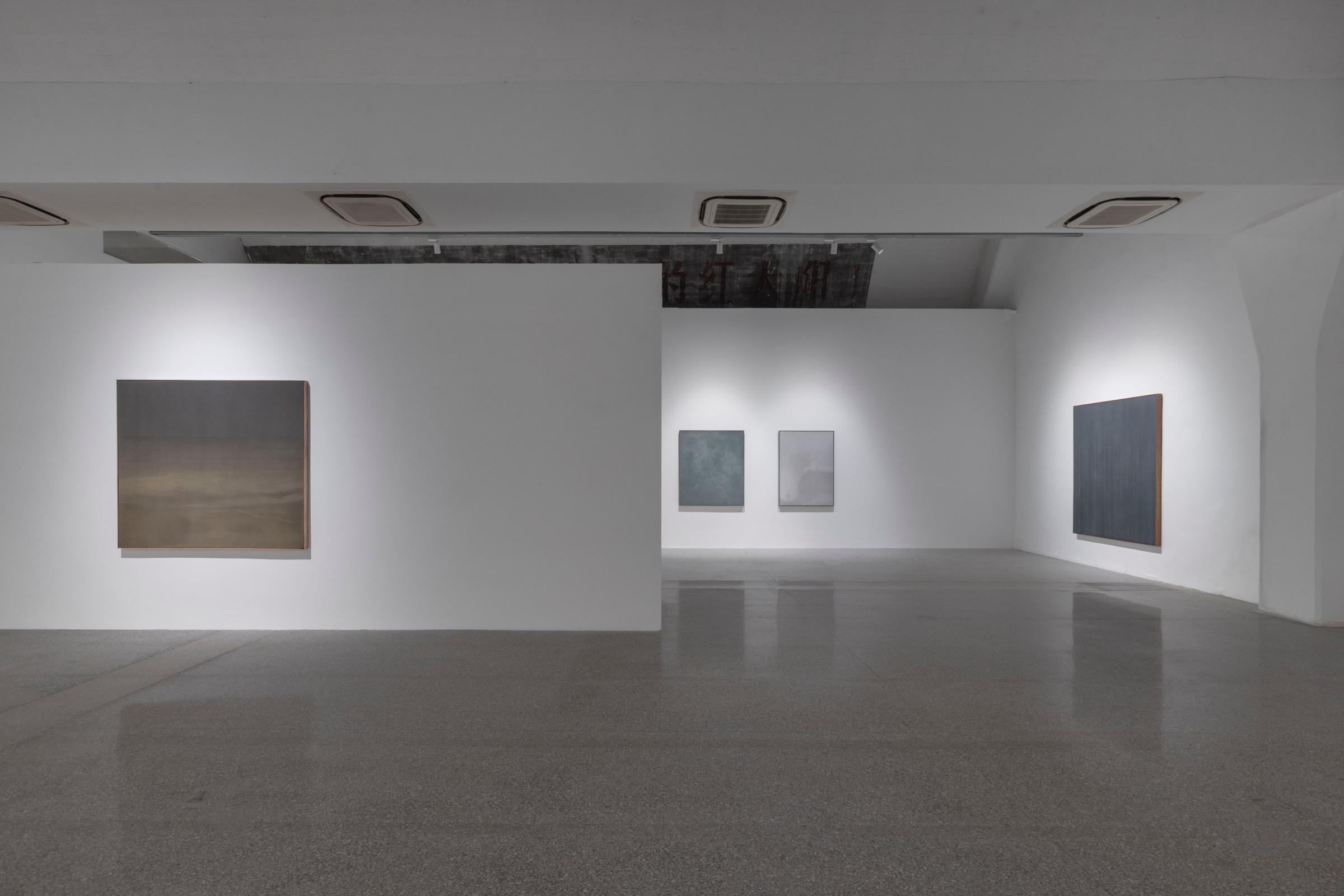
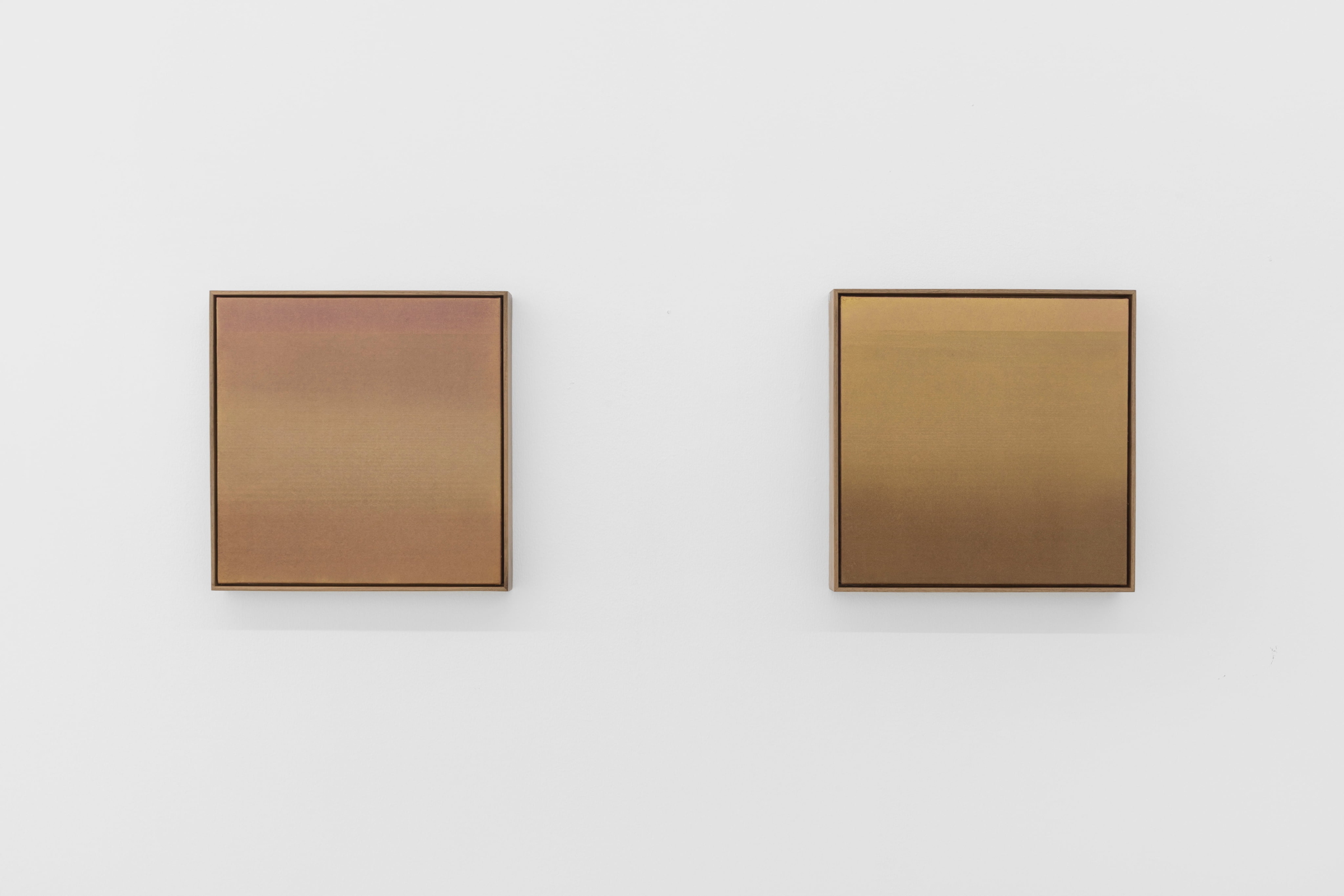
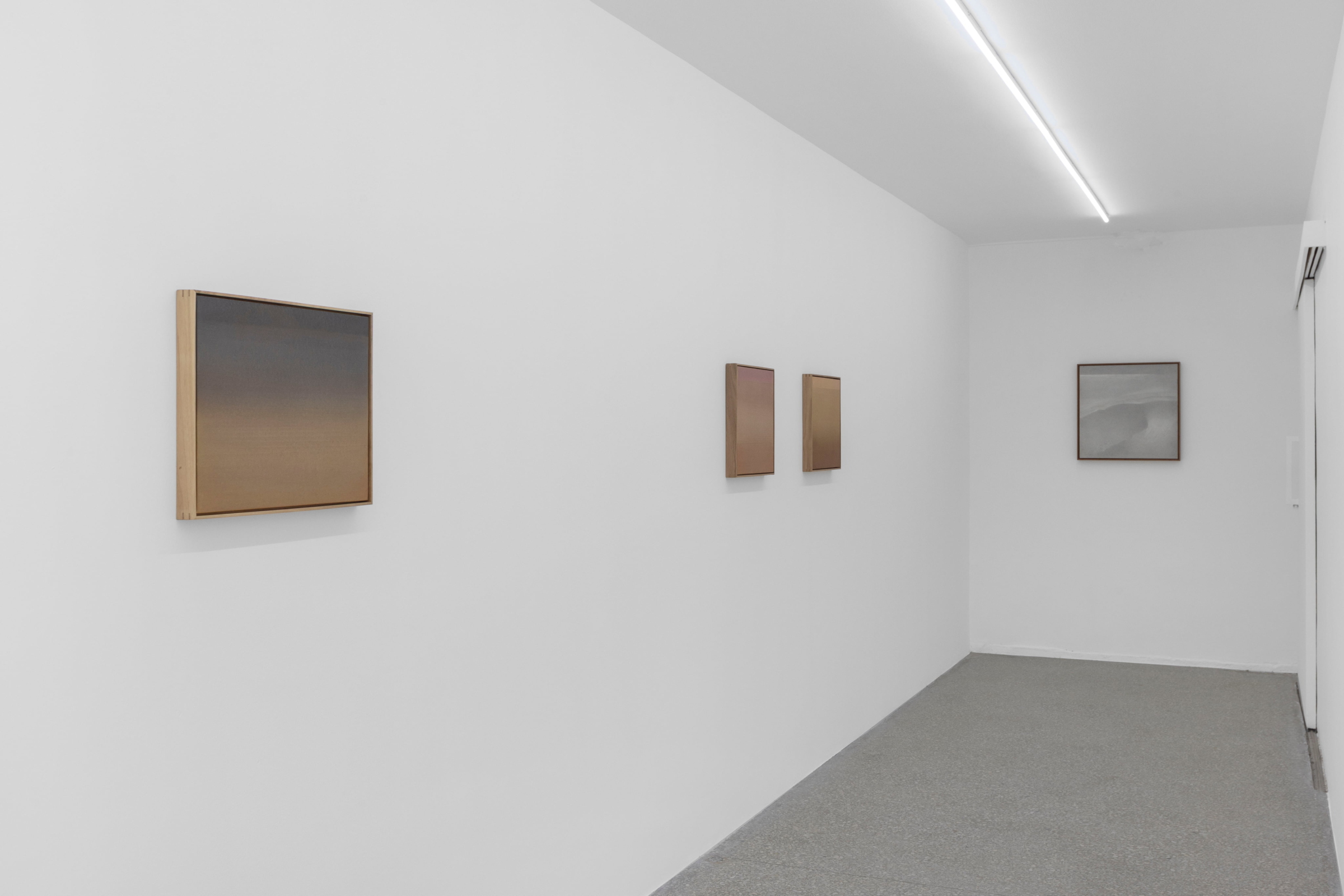
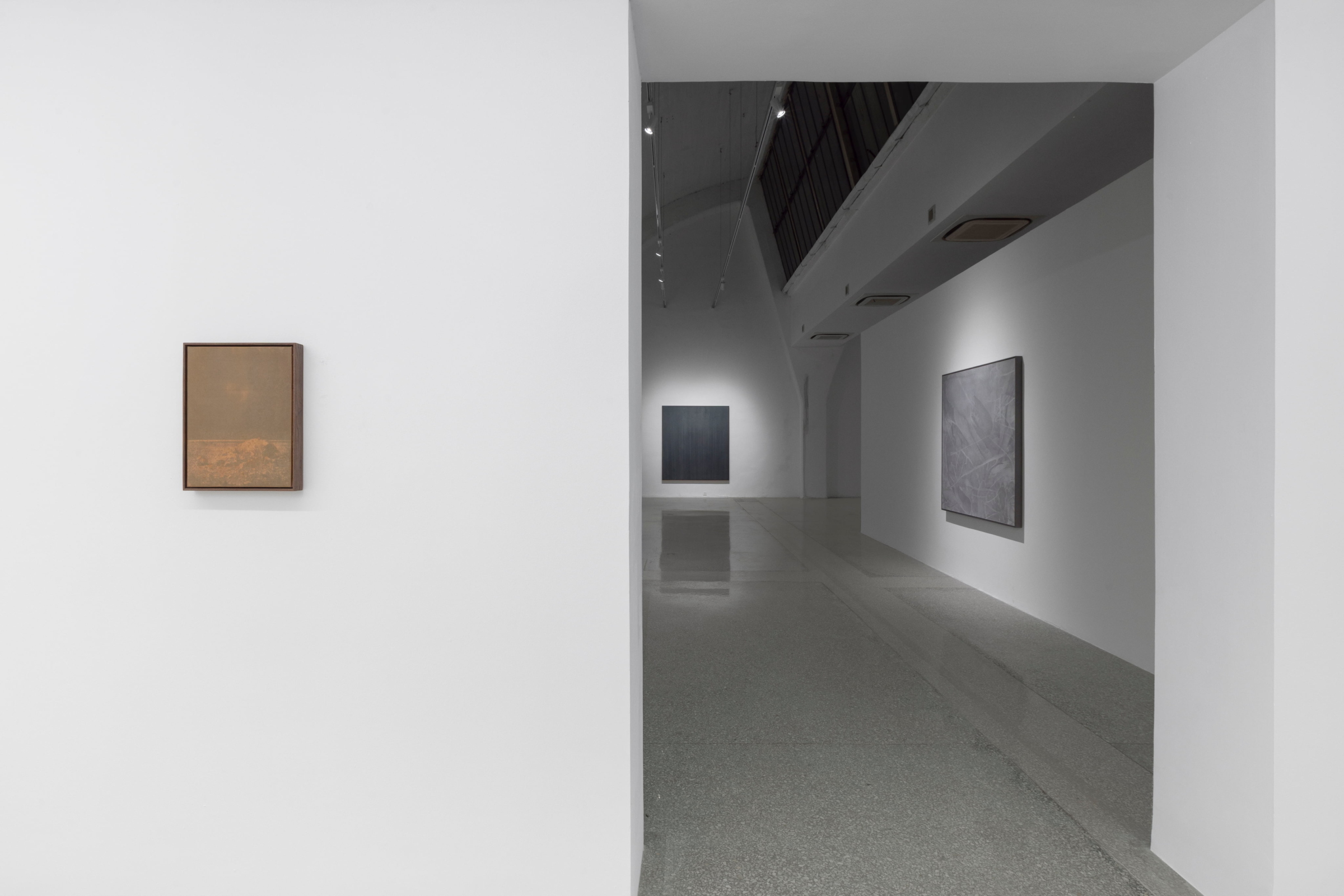
Tokyo Gallery + BTAP is pleased to present Far and Near, Dusk and Dawn, the second solo exhibition by Wang Yongxue, on view from 25 July to 5 September 2026. Curated by Qian Wenda, the exhibition brings together the artist's latest paintings, offering a comprehensive presentation of his sustained engagement with desert ecologies through the intertwined dimensions of space and time.
The exhibition takes its title from Rainer Maria Rilke's essay On Landscape, adopting the poet's meditation as its conceptual point of departure. Rilke writes:
"Man is no longer the companion who maintains his balance among his own kind, nor the one for whom there are distances and proximities, dawn and dusk. He stands among things like a thing himself, infinitely alone; all unions of
This passage provides an entry point into Wang Yongxue's recent works, inviting viewers to move beyond an anthropocentric perspective and to perceive the profound interconnectedness between humanity, the earth, and the temporal and spatial dimensions that shape all living things.
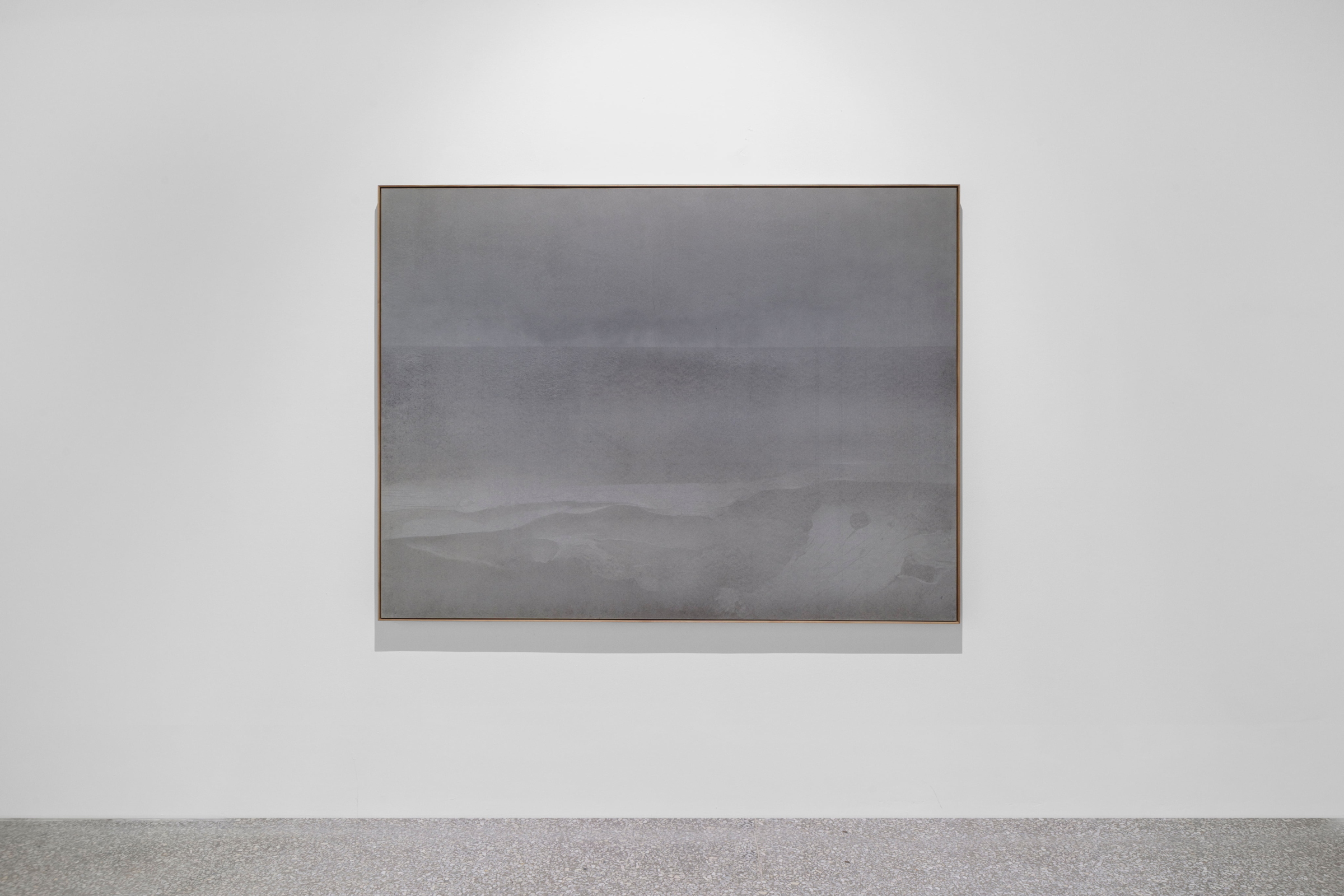
Within the discourse of contemporary landscape painting, distance and proximity, dawn and dusk are often constructed through the vantage point of human perception, while nature is cast as a vehicle for human emotion. Wang Yongxue departs from this convention. Long committed to questions of ecology and environmental change, he has repeatedly crossed China's desert regions by bicycle, immersing himself in the raw topographies of the Gobi and arid landscapes. The wind, sand, geological formations, and accumulated traces of time encountered during these journeys become the material from which his painterly language emerges. As curator Qian Wenda observes, the apparent simplicity and underlying complexity of Wang's paintings are inseparable. His works dispense with overt lyricism, employing an economy of visual means to convey the profound weight of the land itself. This clarity is not the result of reduction alone, but of an extended process of repetition and labour, through which density gradually gives way to lightness and restraint. Rather than depicting the desert as a picturesque landscape, Wang strips away subjective projection, allowing the desert itself to occupy the centre of the image. Distance and proximity, dawn and dusk consequently cease to function as human measures of time and space, instead returning to the elemental rhythms through which the natural world unfolds.
Wang Yongxue's paintings dissolve conventional distinctions between presence and absence, emptiness and form. Repeated layering, covering, and reworking echo the slow erosion of desert terrain shaped by wind and time, giving rise to pictorial spaces that appear visually restrained yet possess remarkable depth and complexity. Throughout his painterly process, images are continually constructed and dismantled, only to re-emerge through successive layers of paint. Beneath their pared-back surfaces lies the accumulated weight of land and time.
Each repeated gesture, each translucent layer of pigment, materializes an awareness of duration and the gradual erosion inherent to lived experience. Natural formations and painterly intervention remain in constant dialogue, reinforcing Wang's sustained exploration of the generative relationship between emptiness and presence, as well as the coexistence of time and space. The resulting works occupy a threshold between stillness and density, transience and permanence, creating a contemplative field in which Eastern philosophical thought and contemporary experiences of temporality converge.
Featuring Wang Yongxue's latest body of work centred on desert ecologies, Far and Near, Dusk and Dawn present the artist's recent explorations through richly layered surfaces and nuanced spatial compositions. Individually, each painting offers a distinct meditation on landscape, materiality, and perception; together, they form an immersive environment in which questions of nature, time, and space unfold through the quiet yet enduring language of painting.