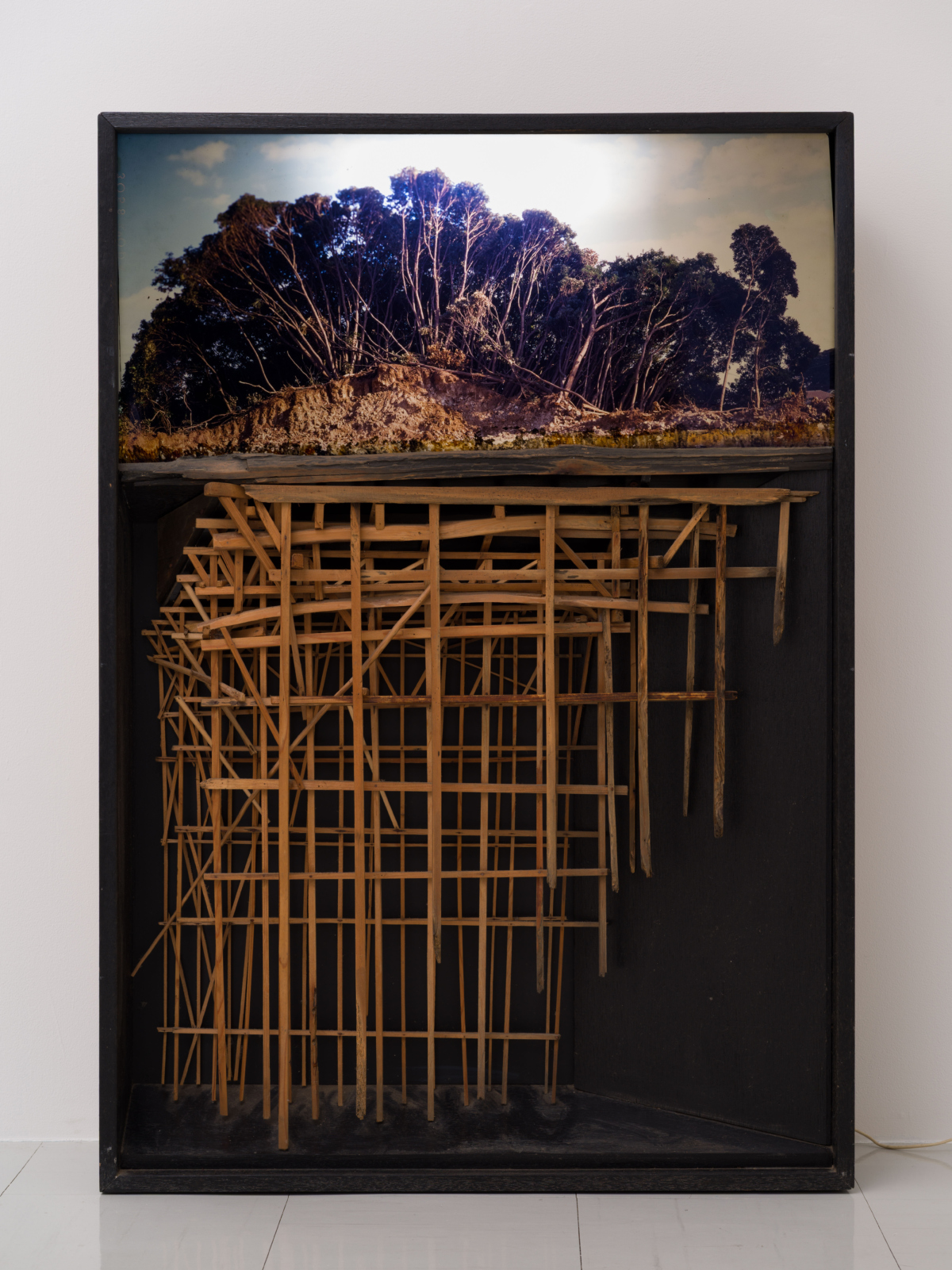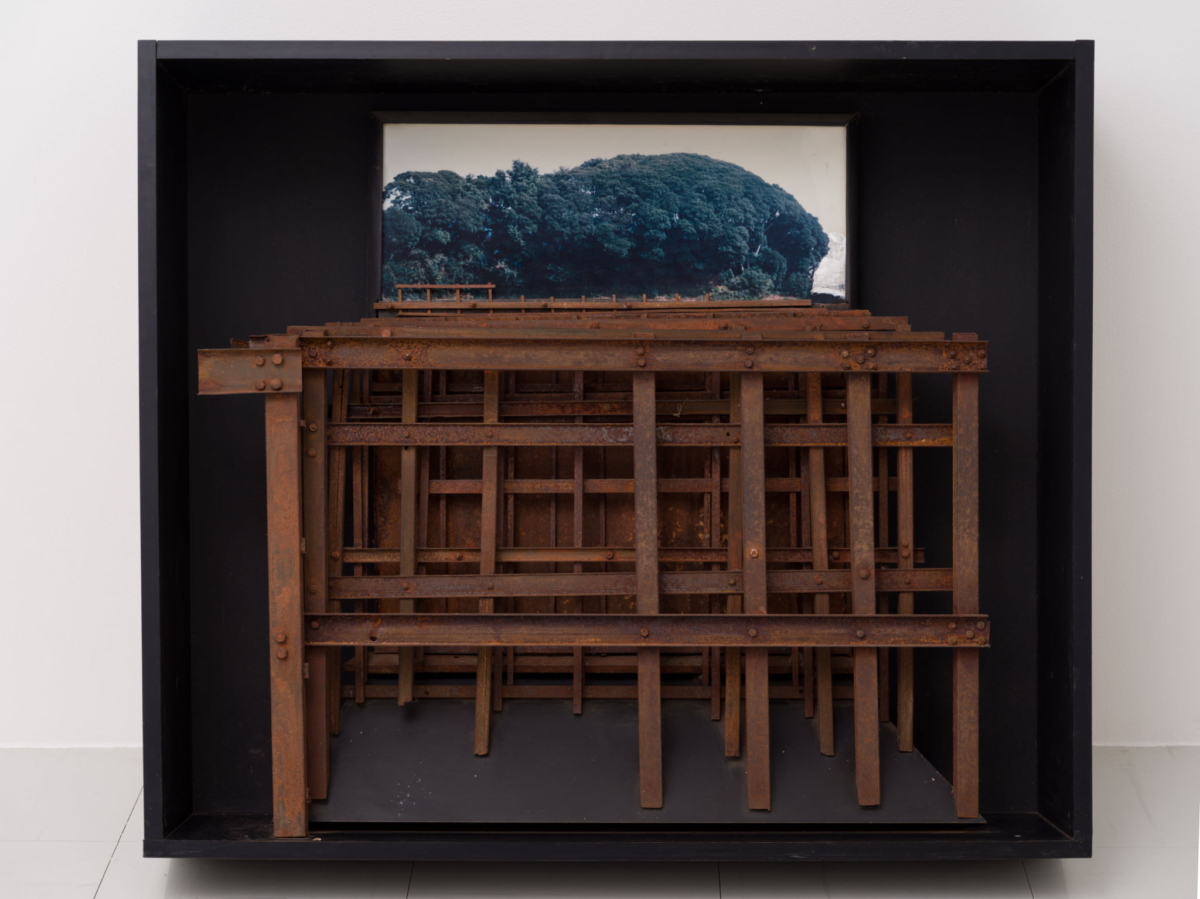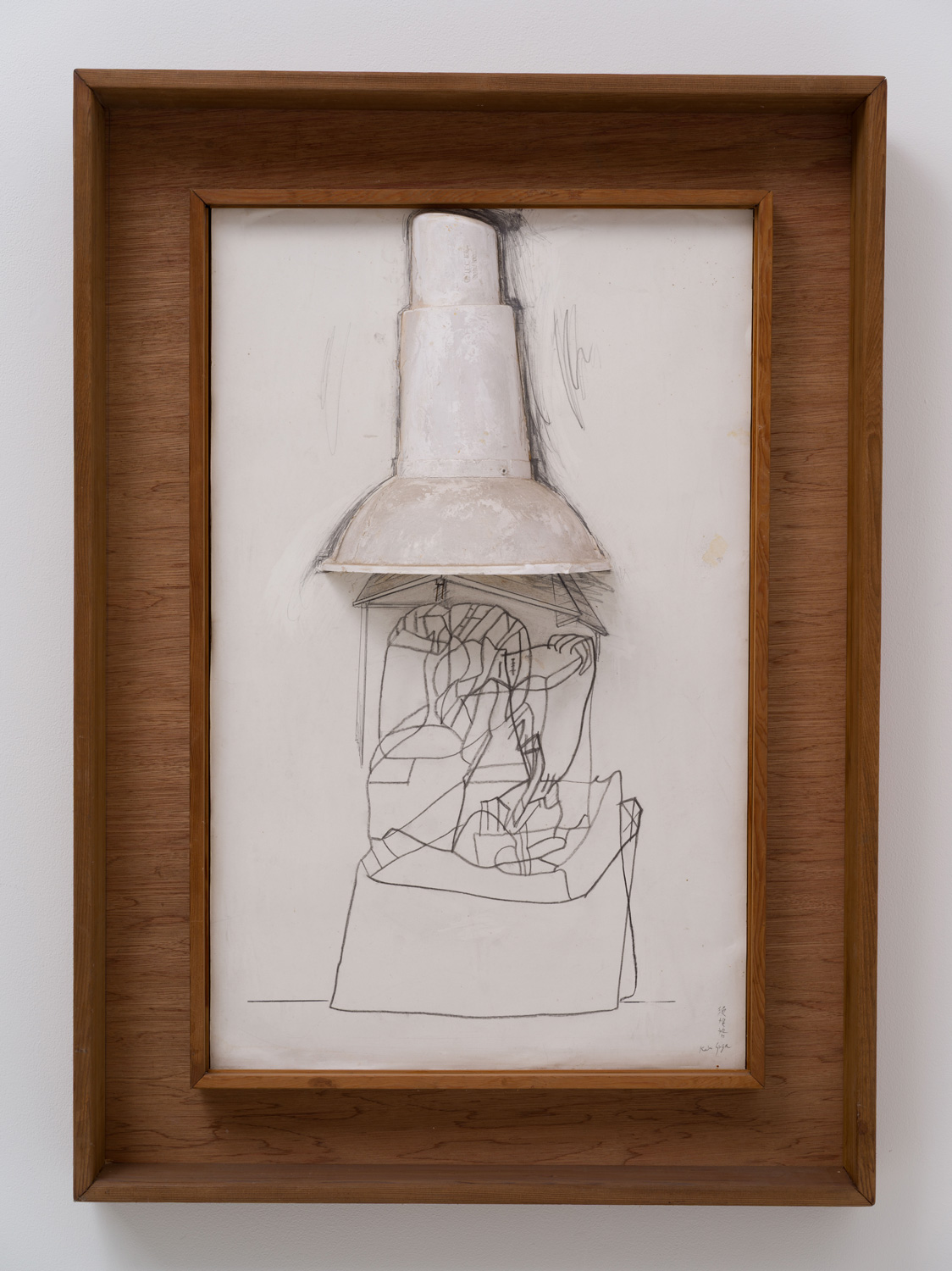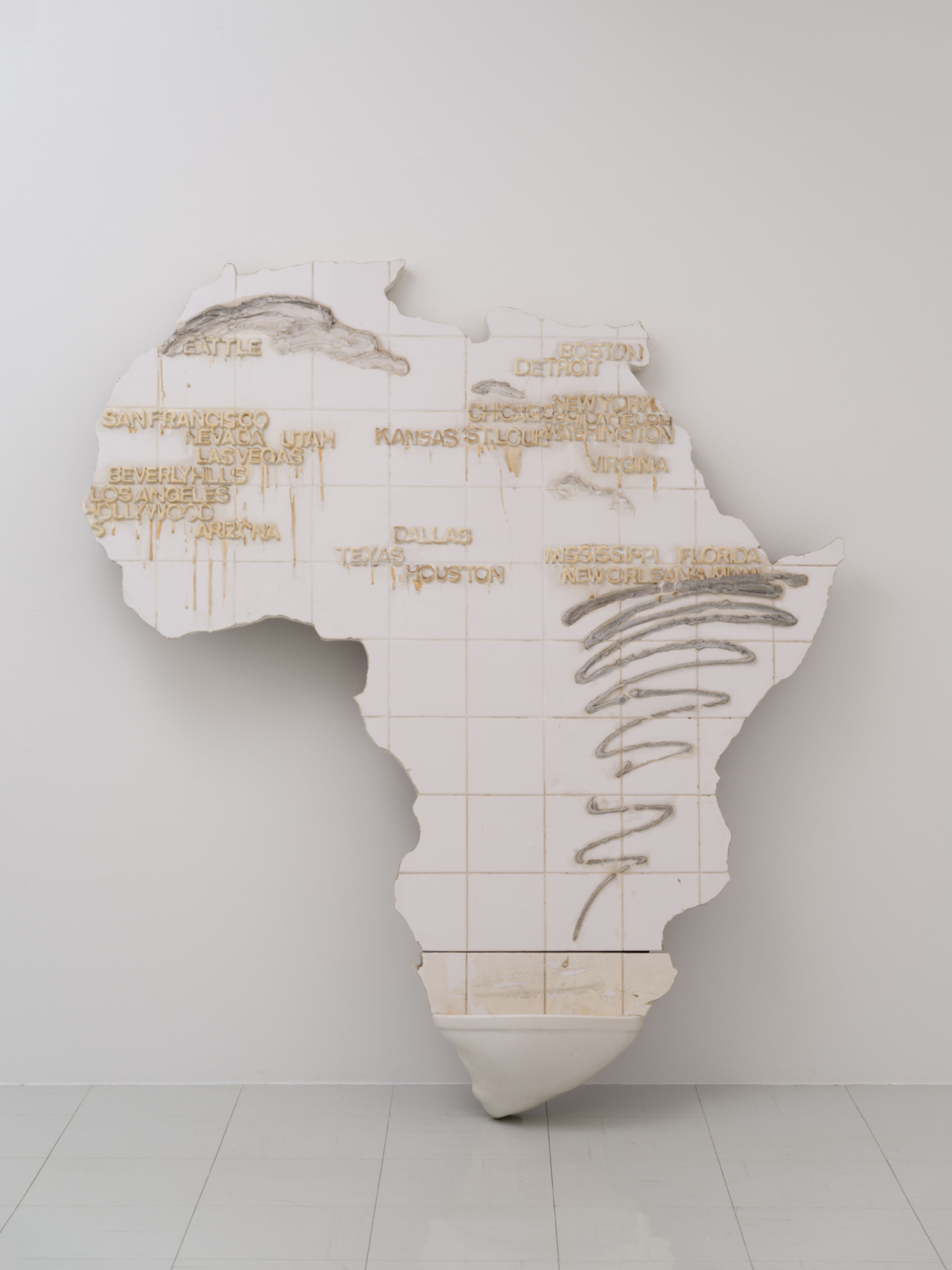
Tokyo Gallery + BTAP is pleased to announce a solo exhibition by Kei Suga.
After graduating from the Department of Philosophy in the Faculty of Letters at Keio University in 1959, Kei Suga began his career as an artist by submitting a work entitled Nighttime Luminous Substance to the 15th Yomiuri Independent Exhibition in 1963. In July that same year, he participated in the group exhibition “Rooms in Alibi” (Naiqua Gallery), curated by Yusuke Nakahara. Subsequently, Suga went on to show his work actively at a solo exhibition in 1964 (Sato Gallery) and the 1968 exhibition “Tricks and Vision” (Tokyo Gallery and Muramatsu Gallery), in addition to participating in the 9th Contemporary Art Exhibition of Japan in 1969.
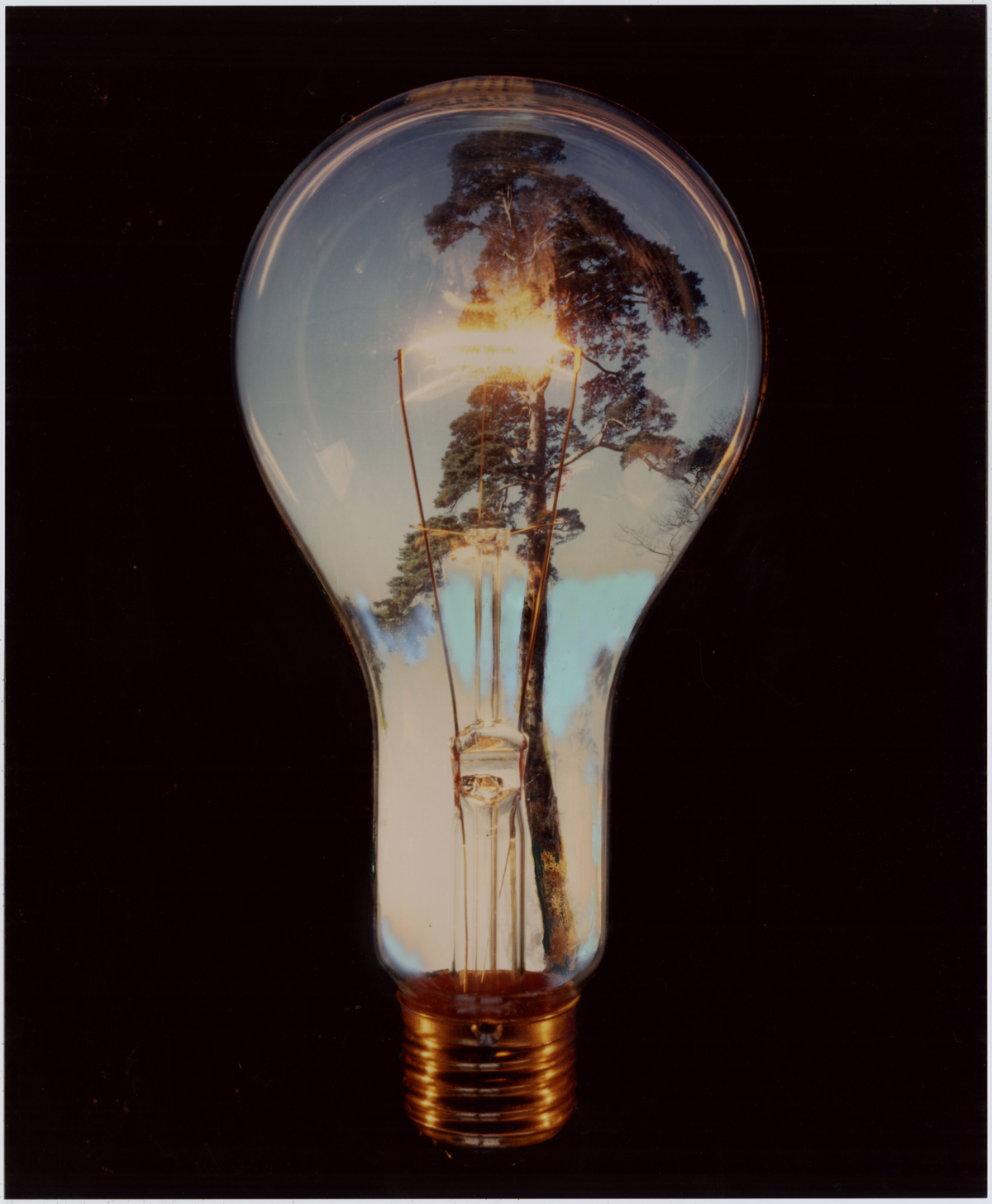
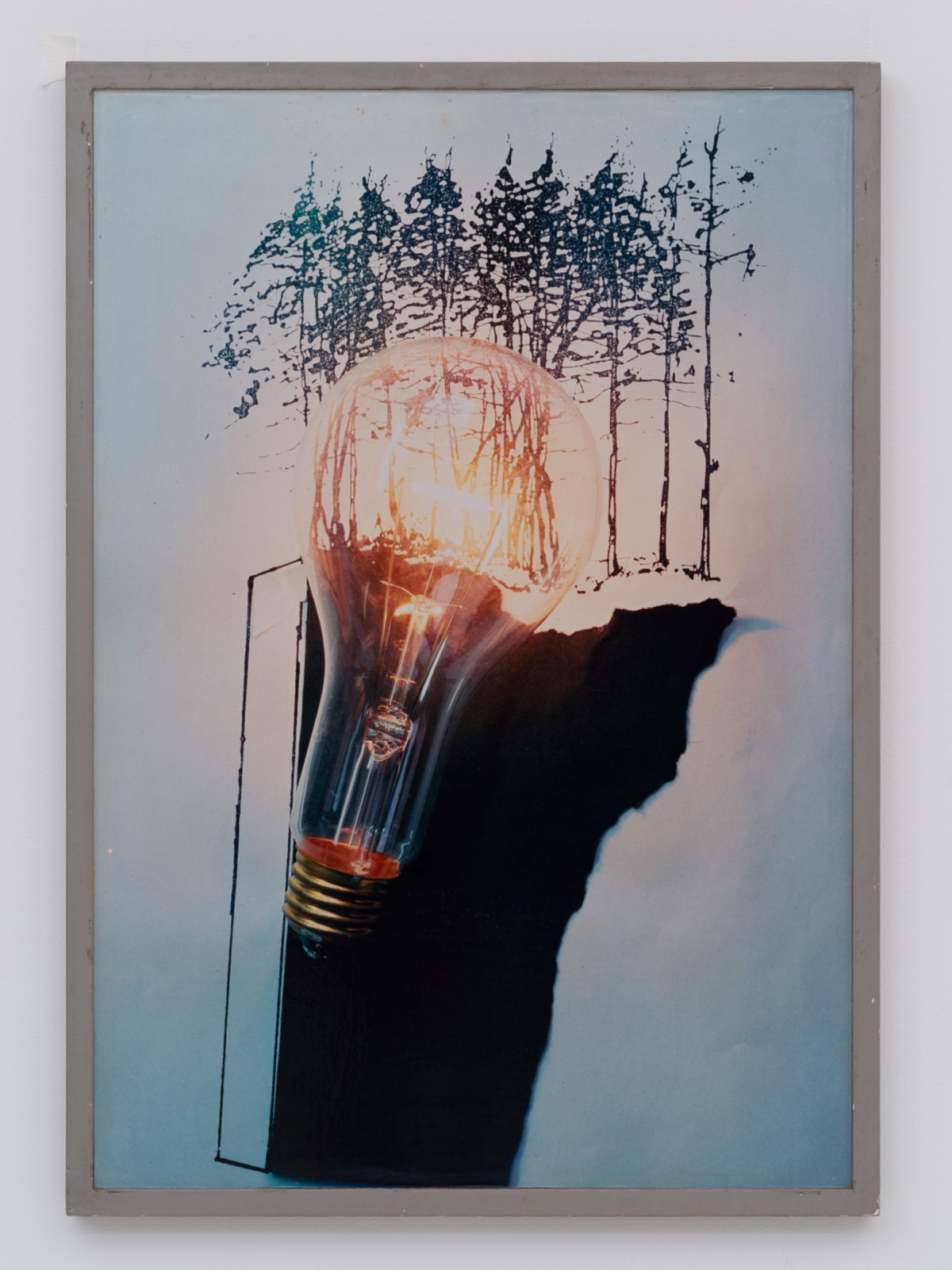
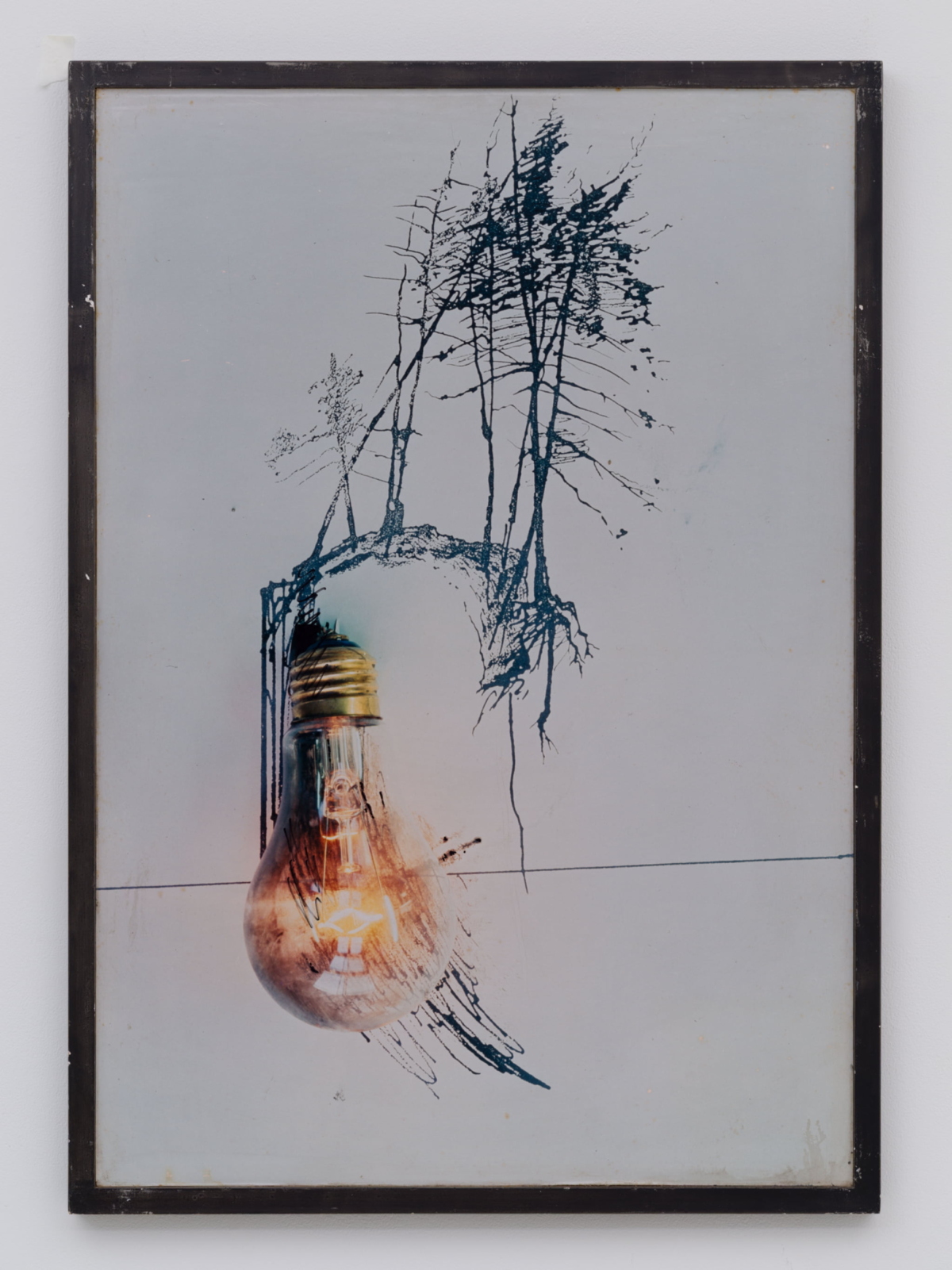
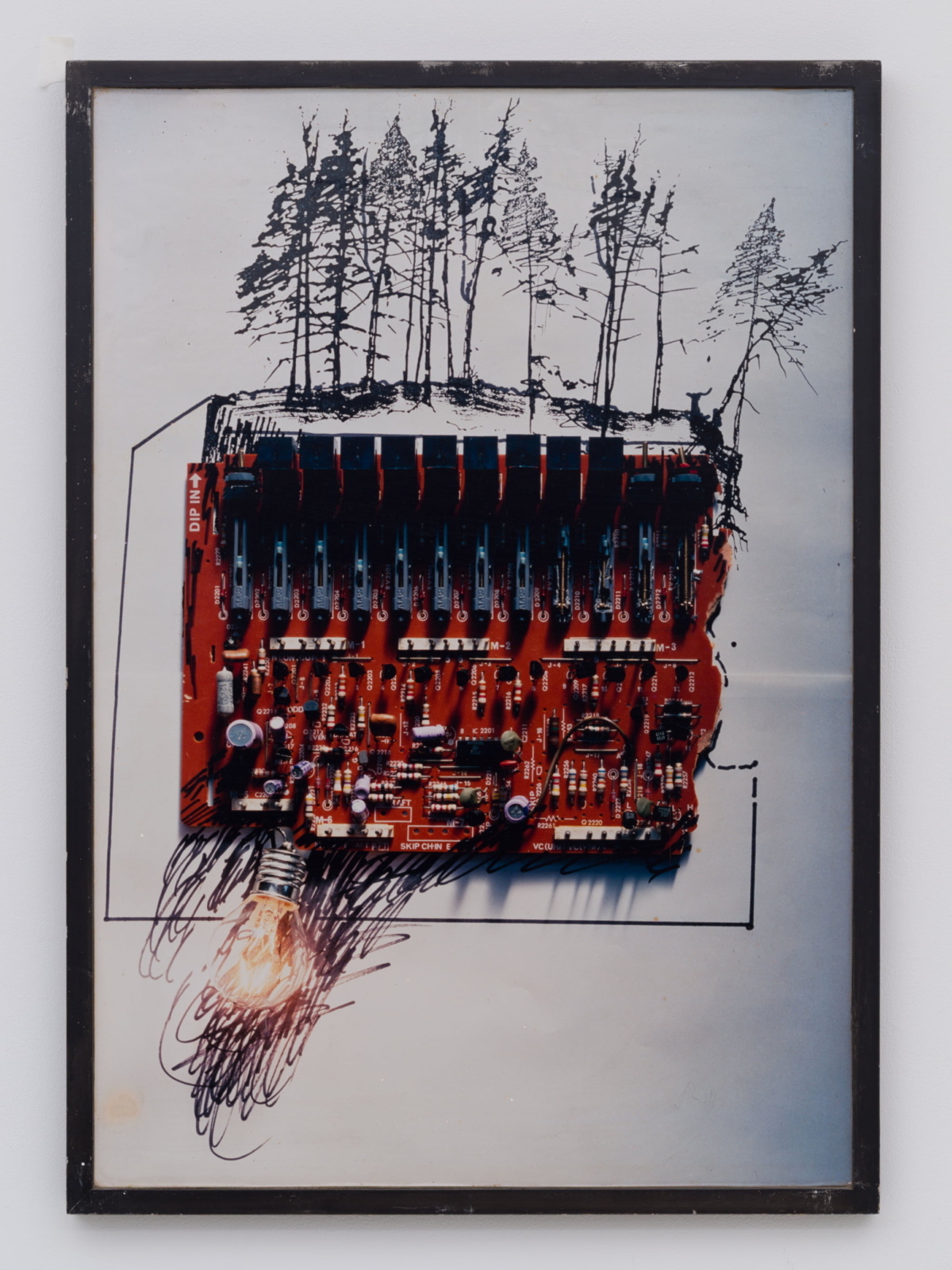
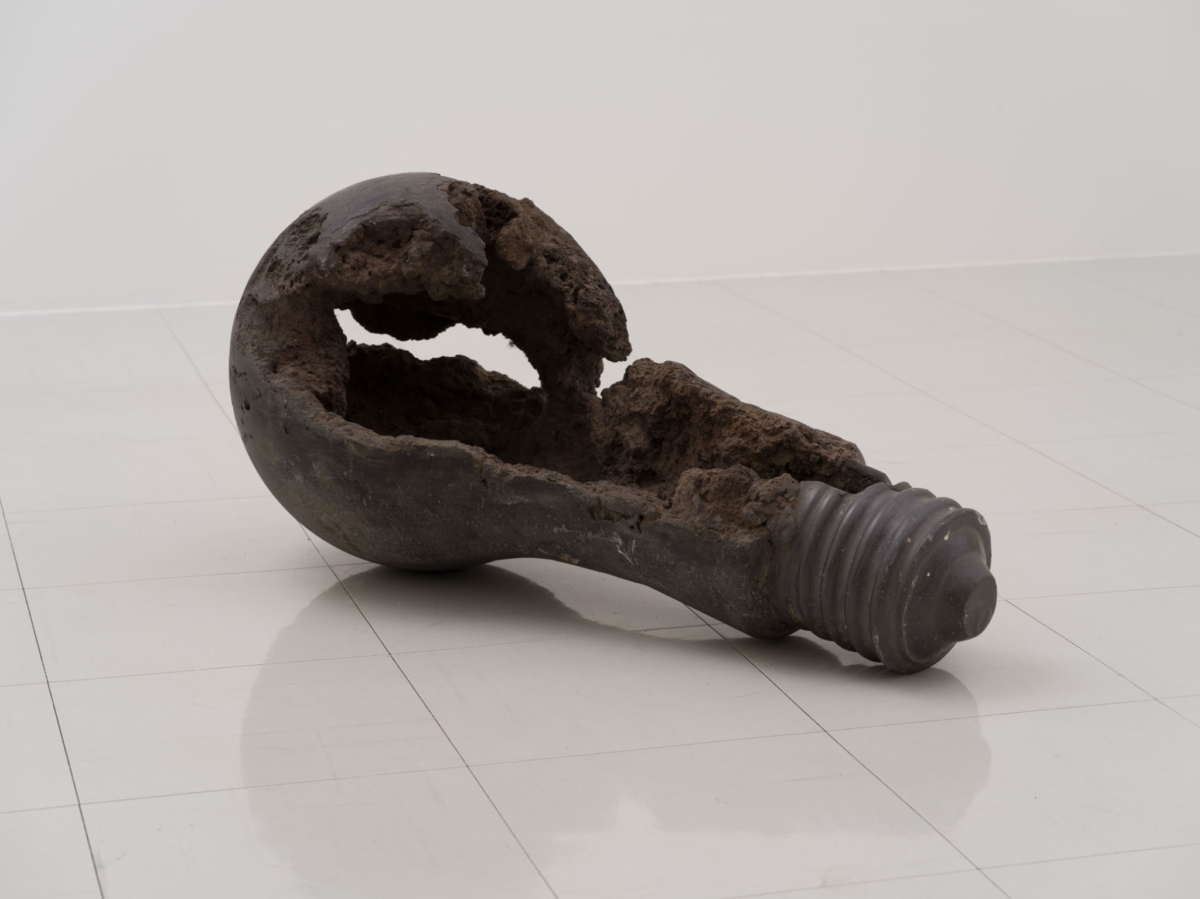
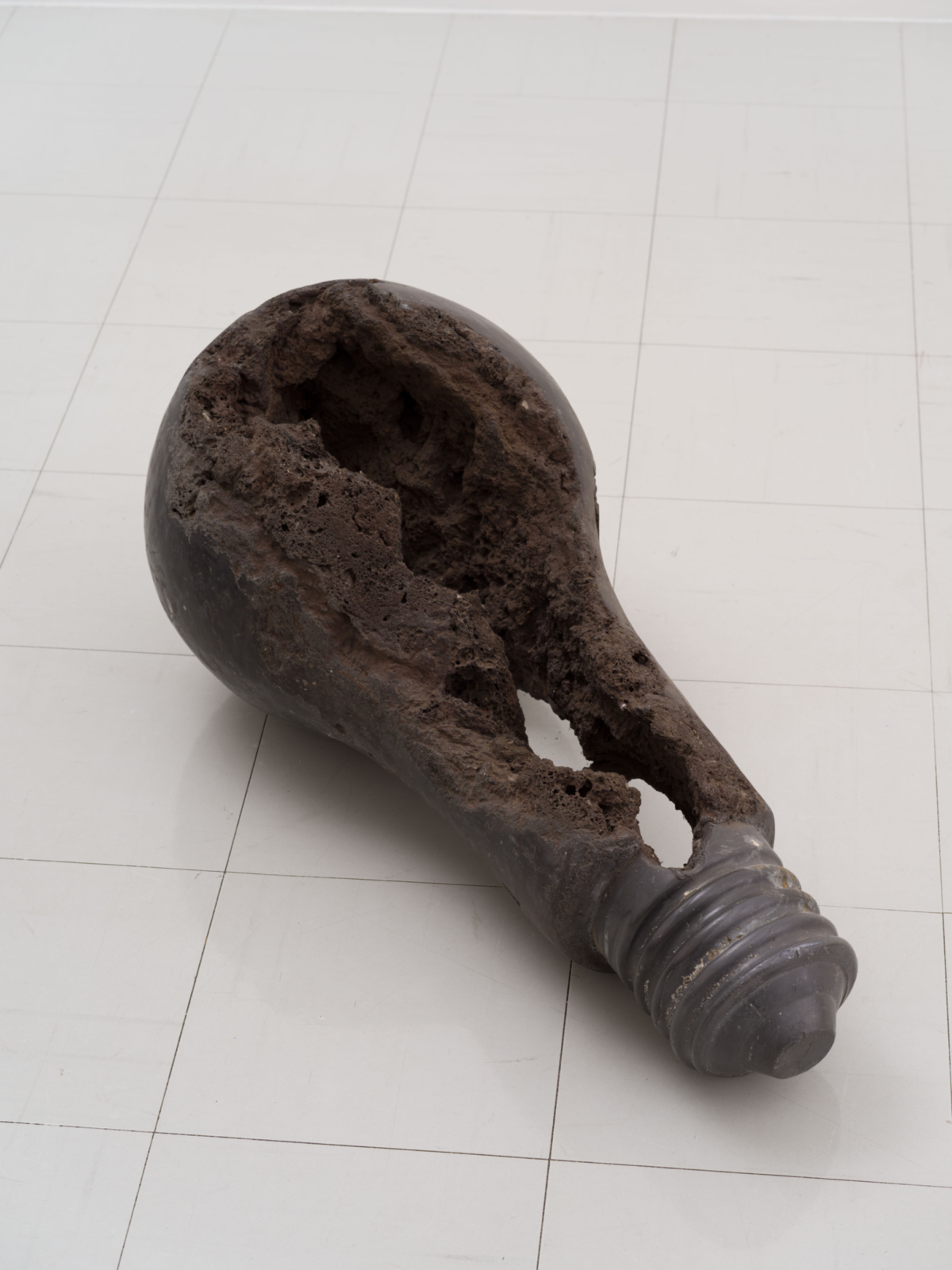
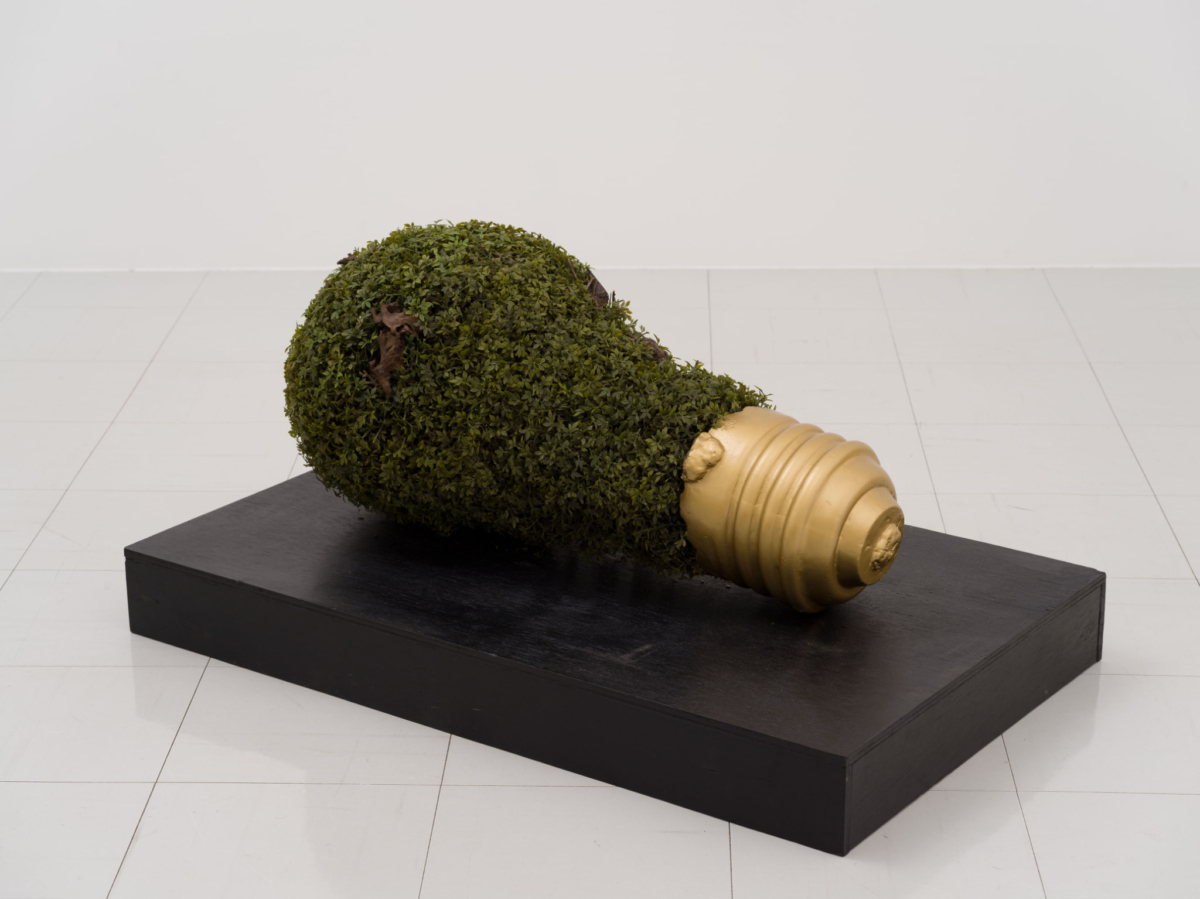
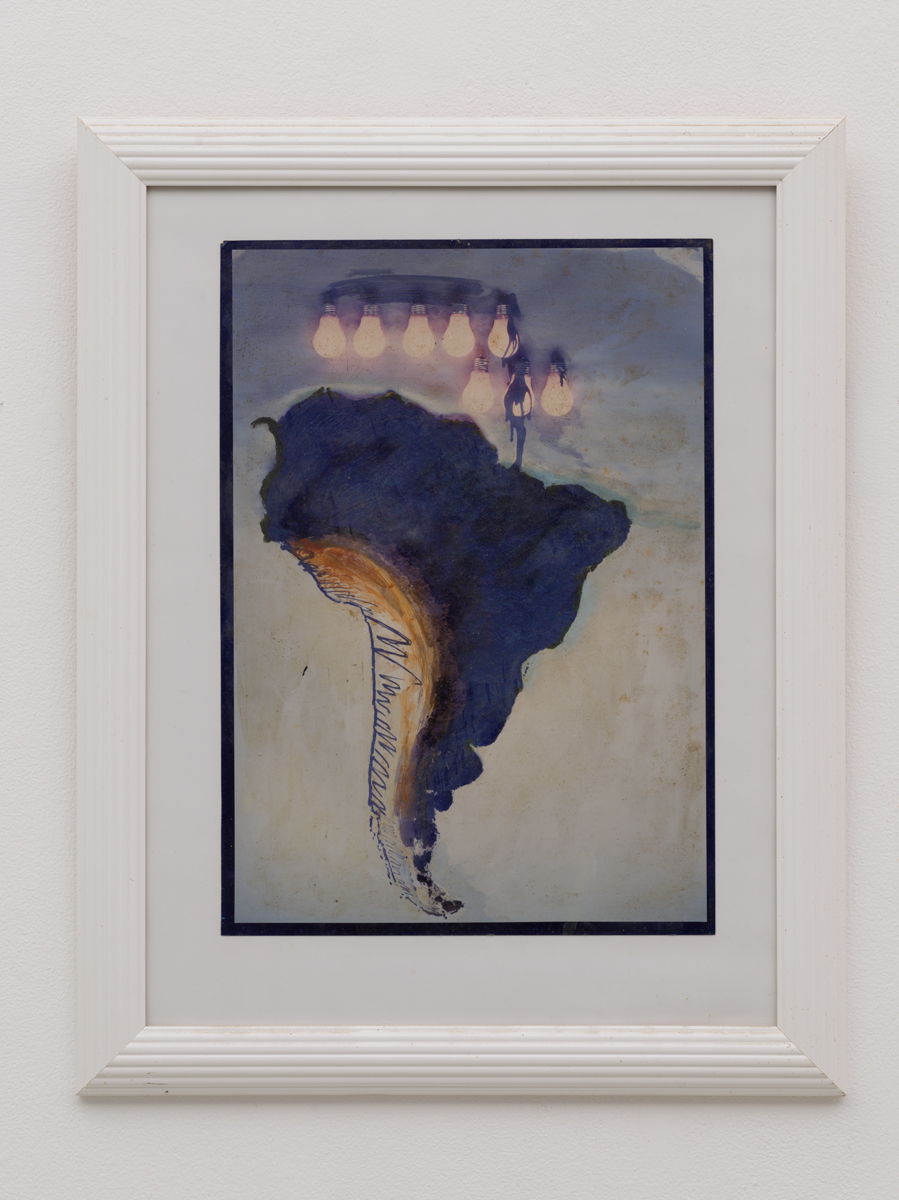
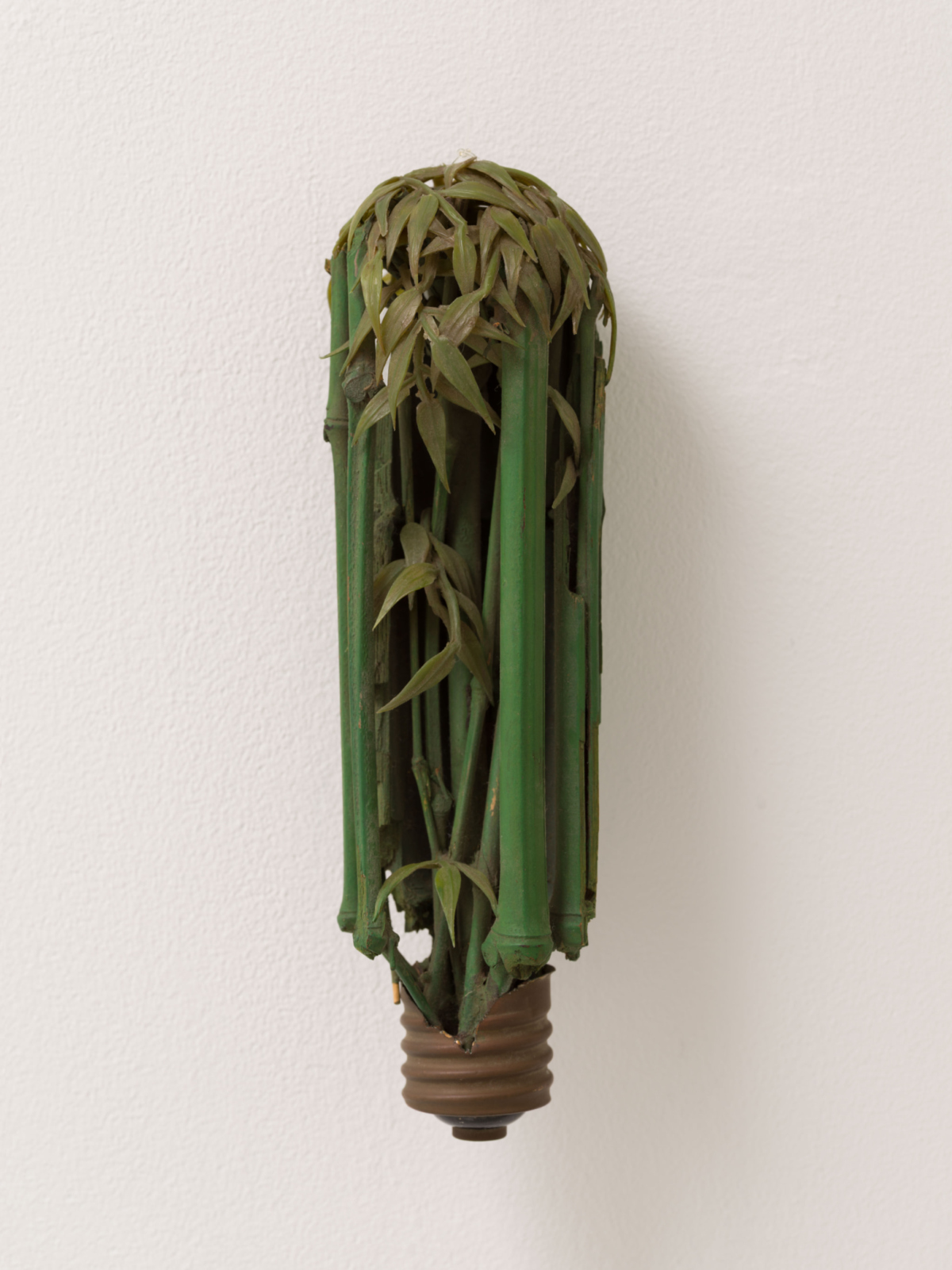
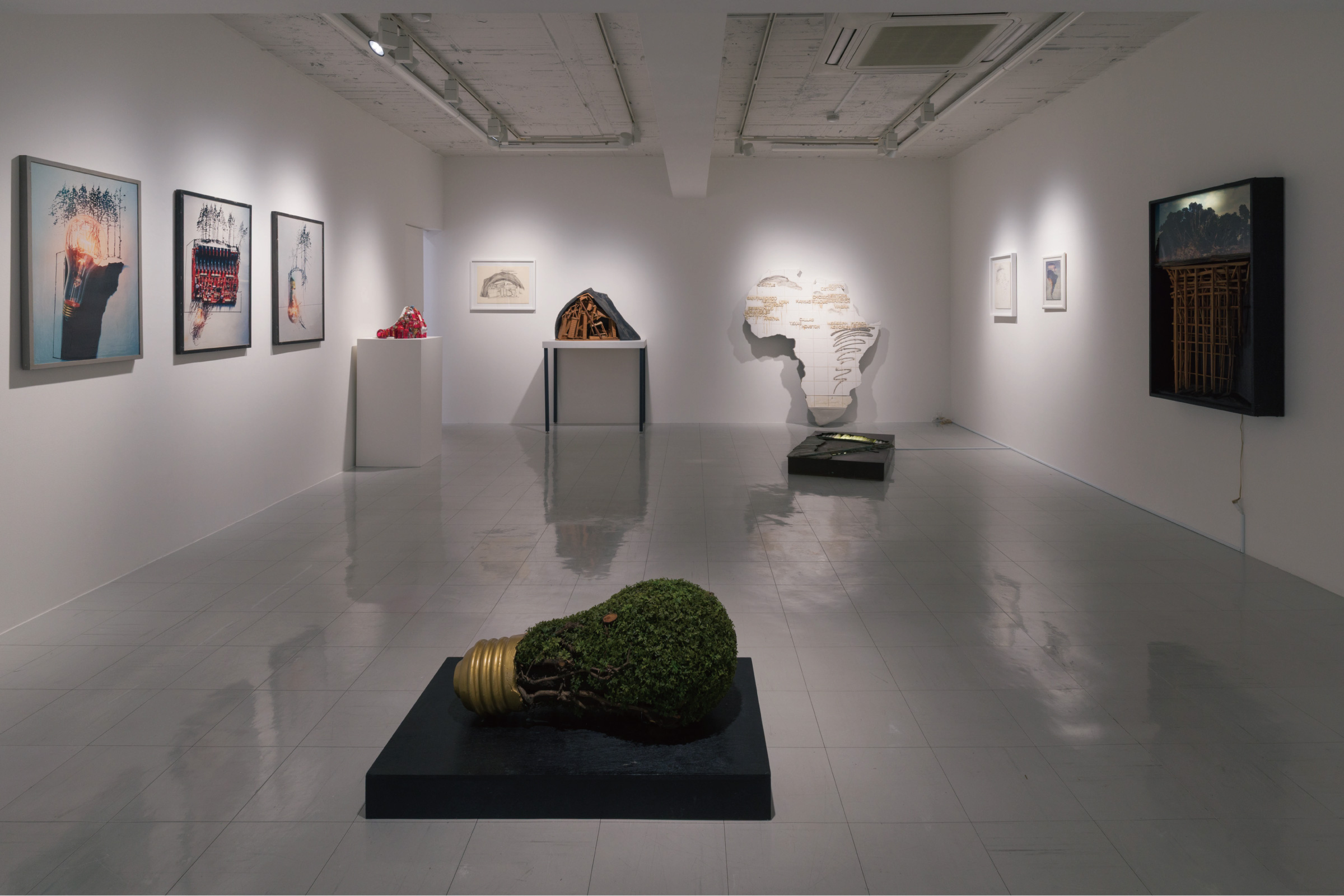
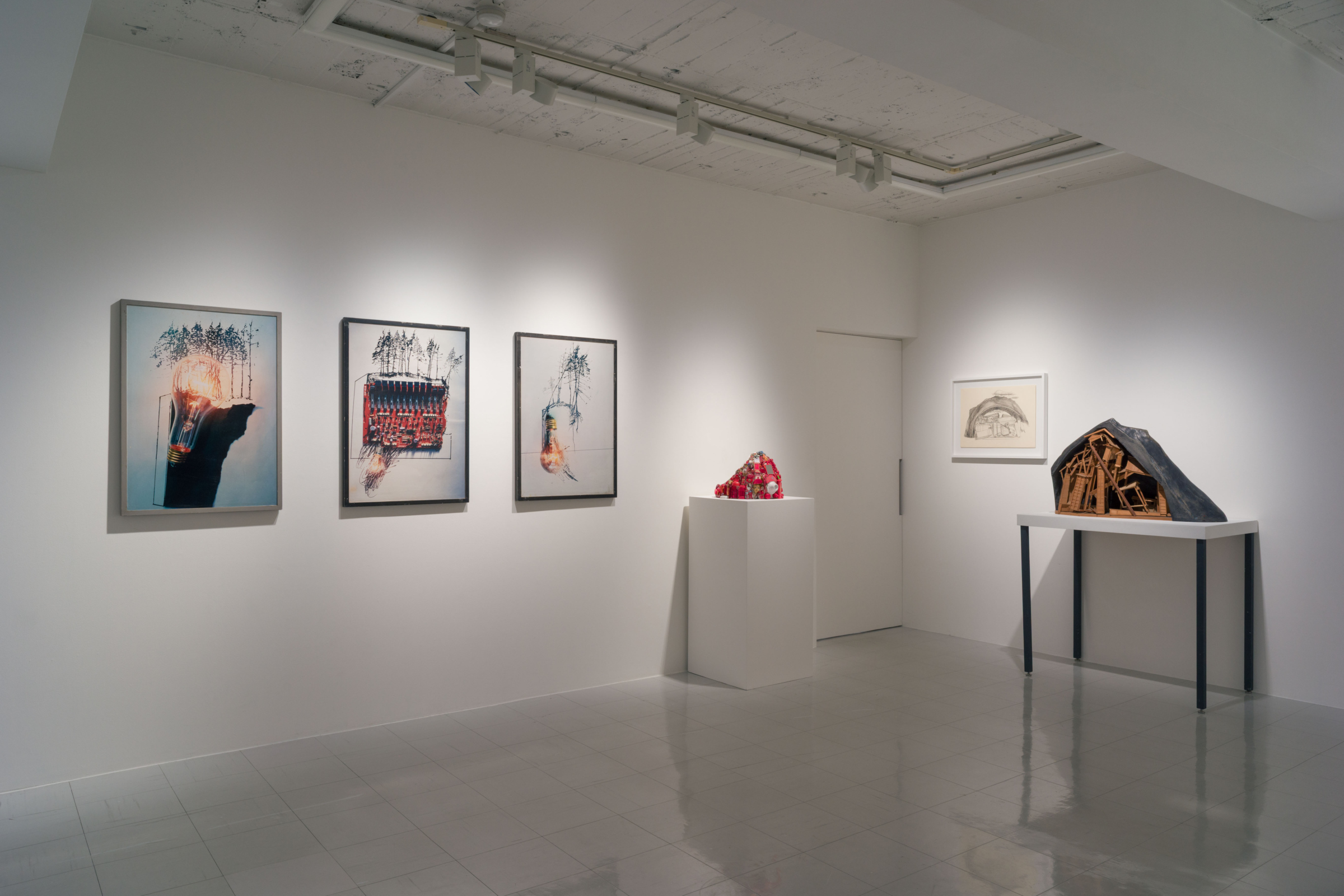
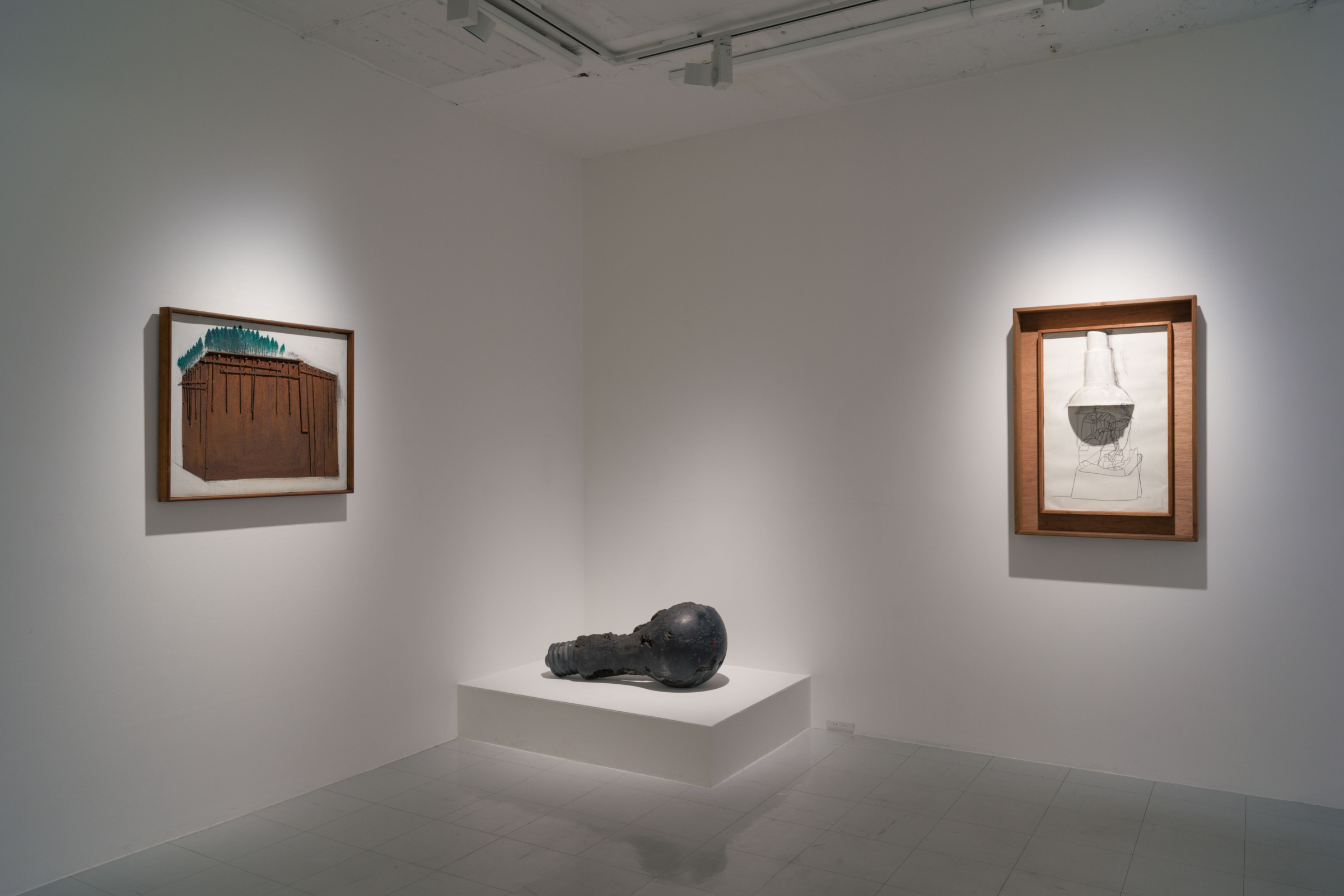
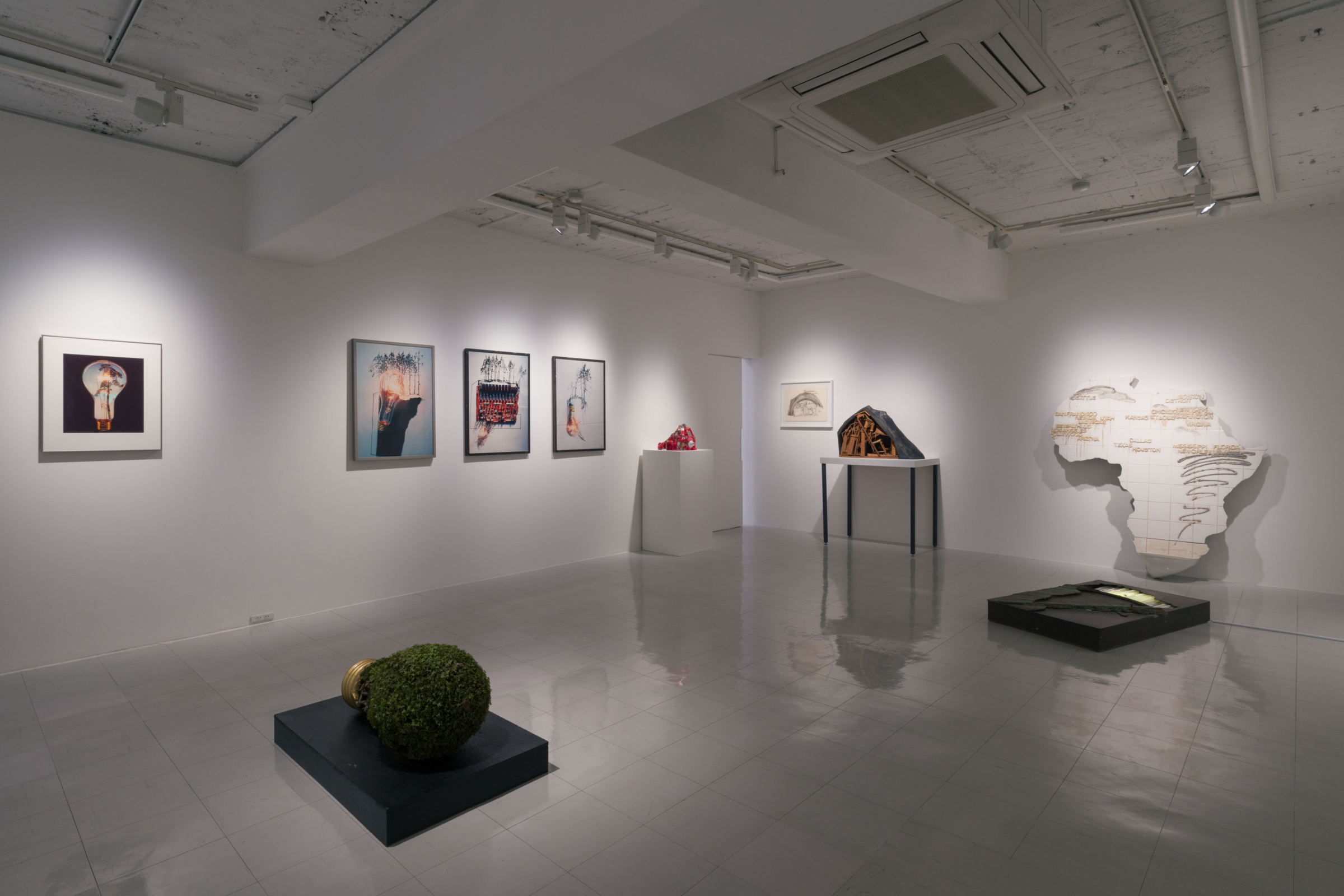
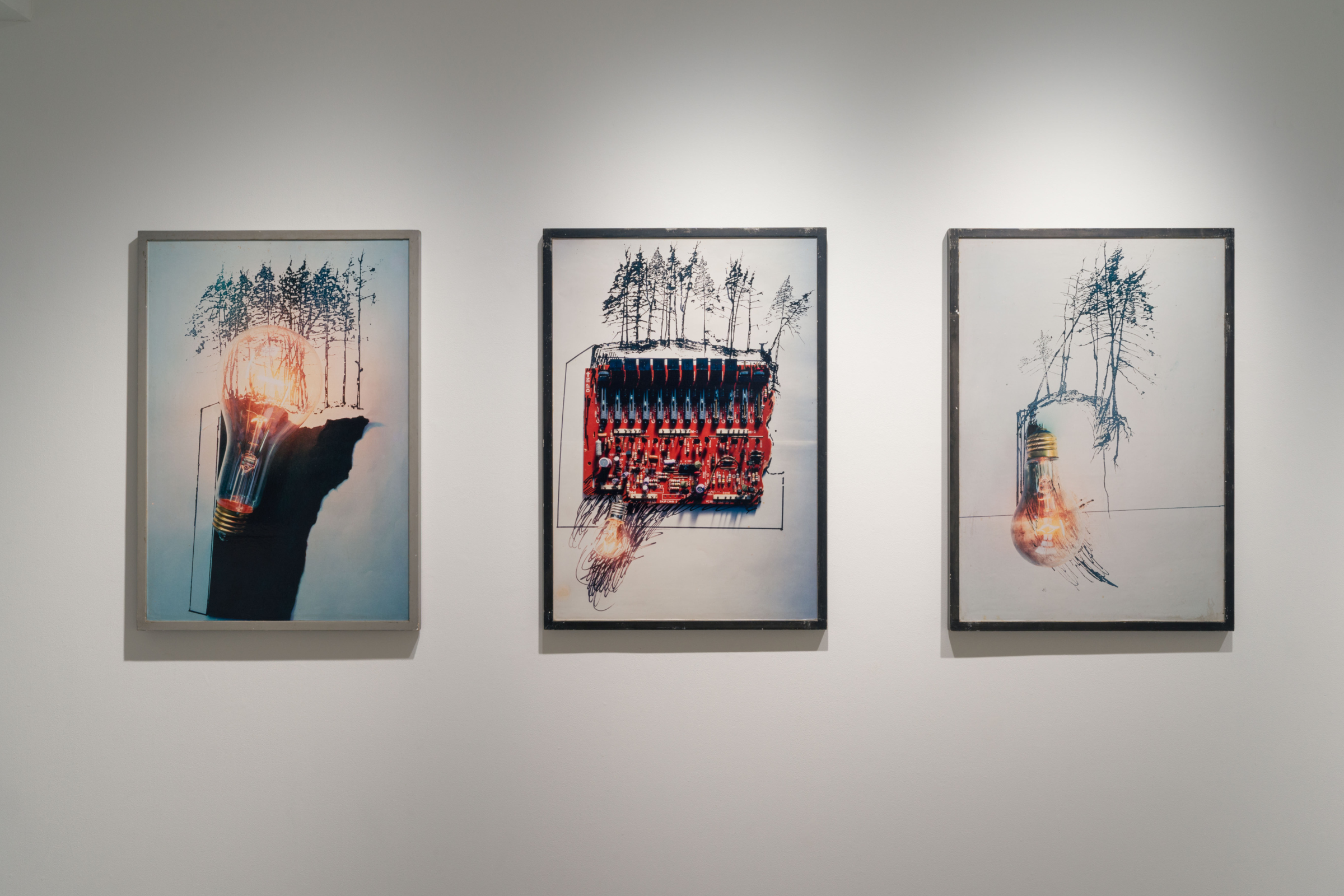
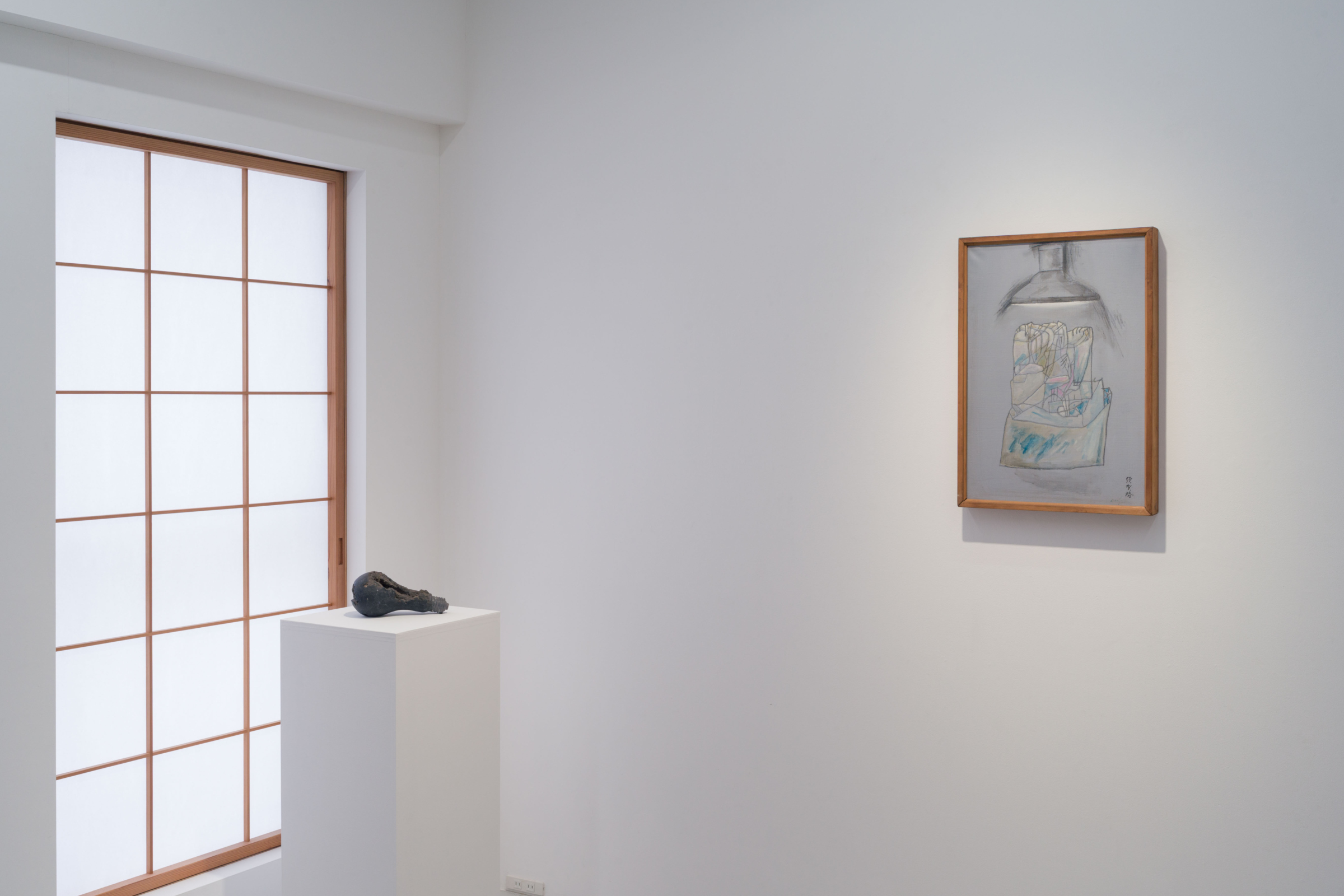
Suga engaged with the motif of the light bulb over the course of some two decades. Beginning in 1966 with an objet d’art that he made by pruning a Japanese boxwood tree into the shape of a light bulb, he went on to create light bulbs using artificial flowers, as well as light bulbs made of bronze, cement, and plaster. For Suga, the bare light bulb, a simple electrical appliance emblematic of the 1960s, seems to have been an effective motif for exploring the intersection between the natural and the artificial.
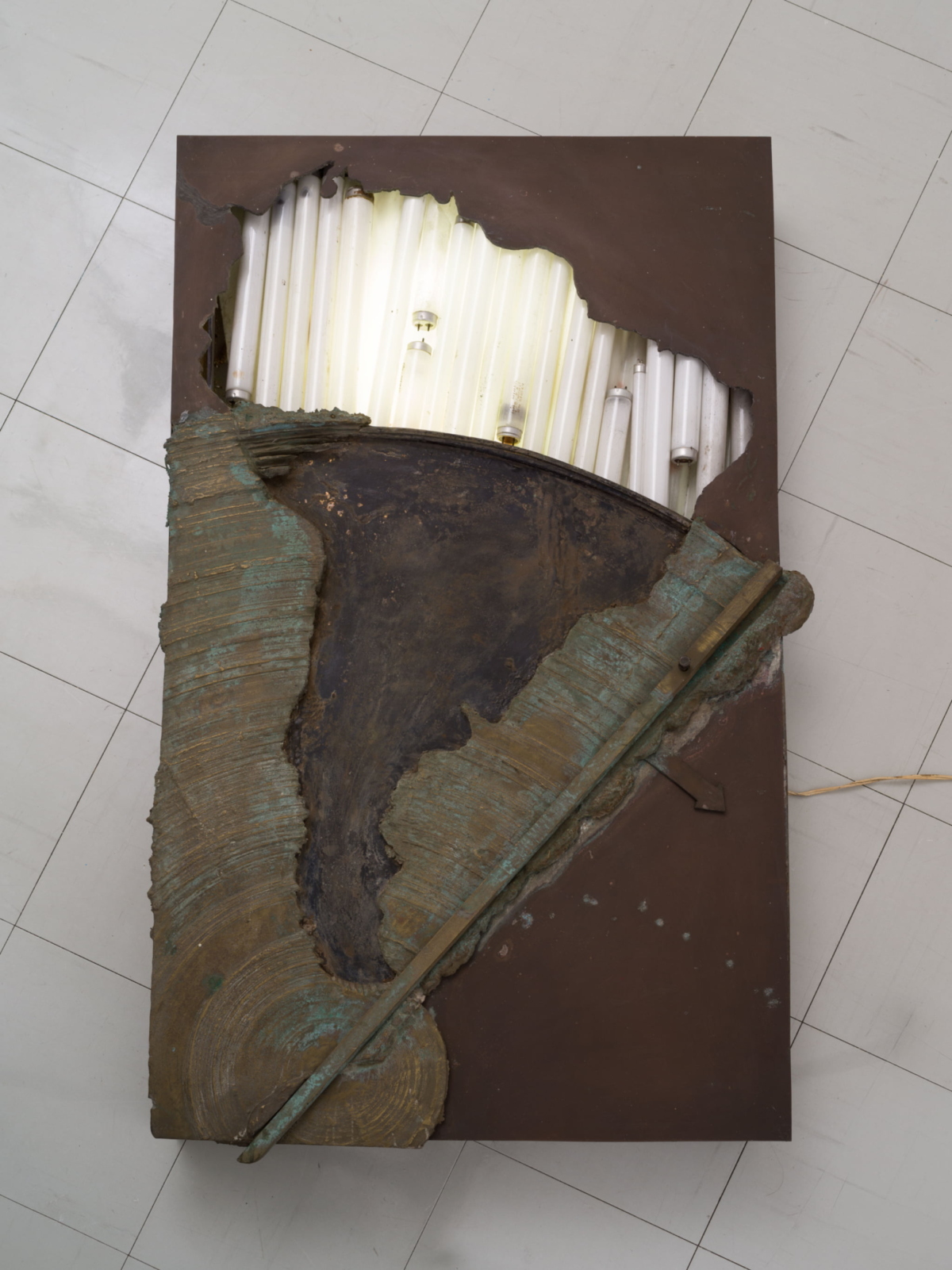
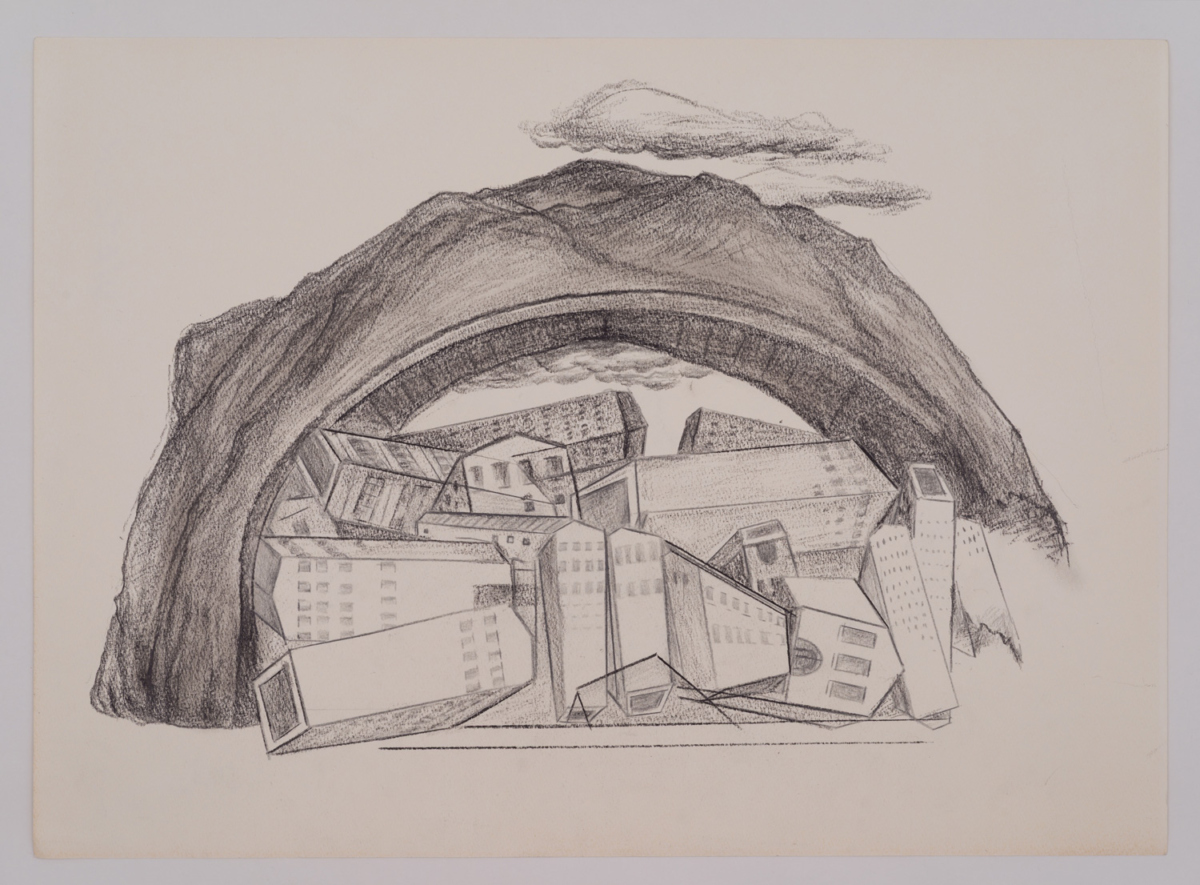
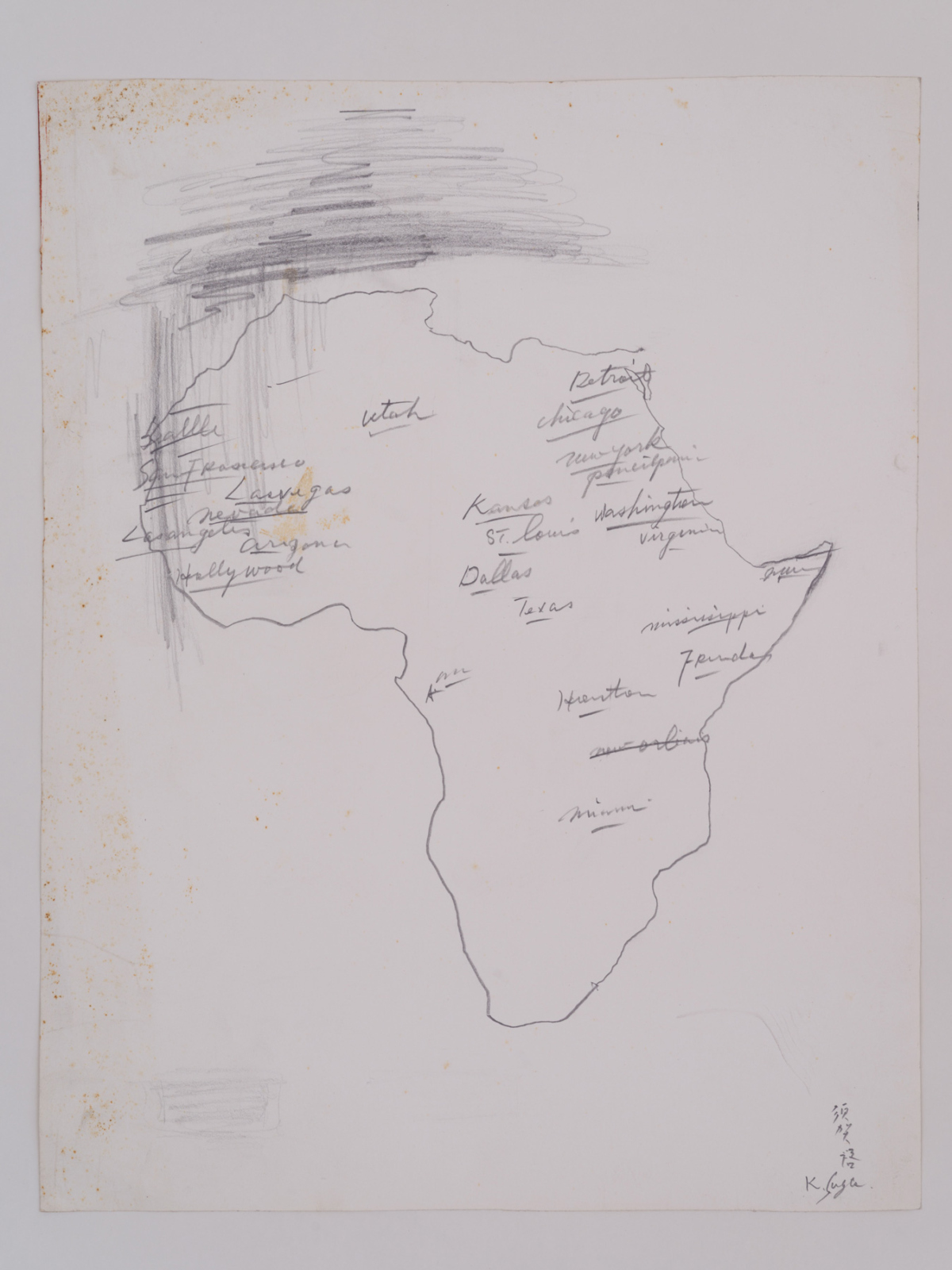
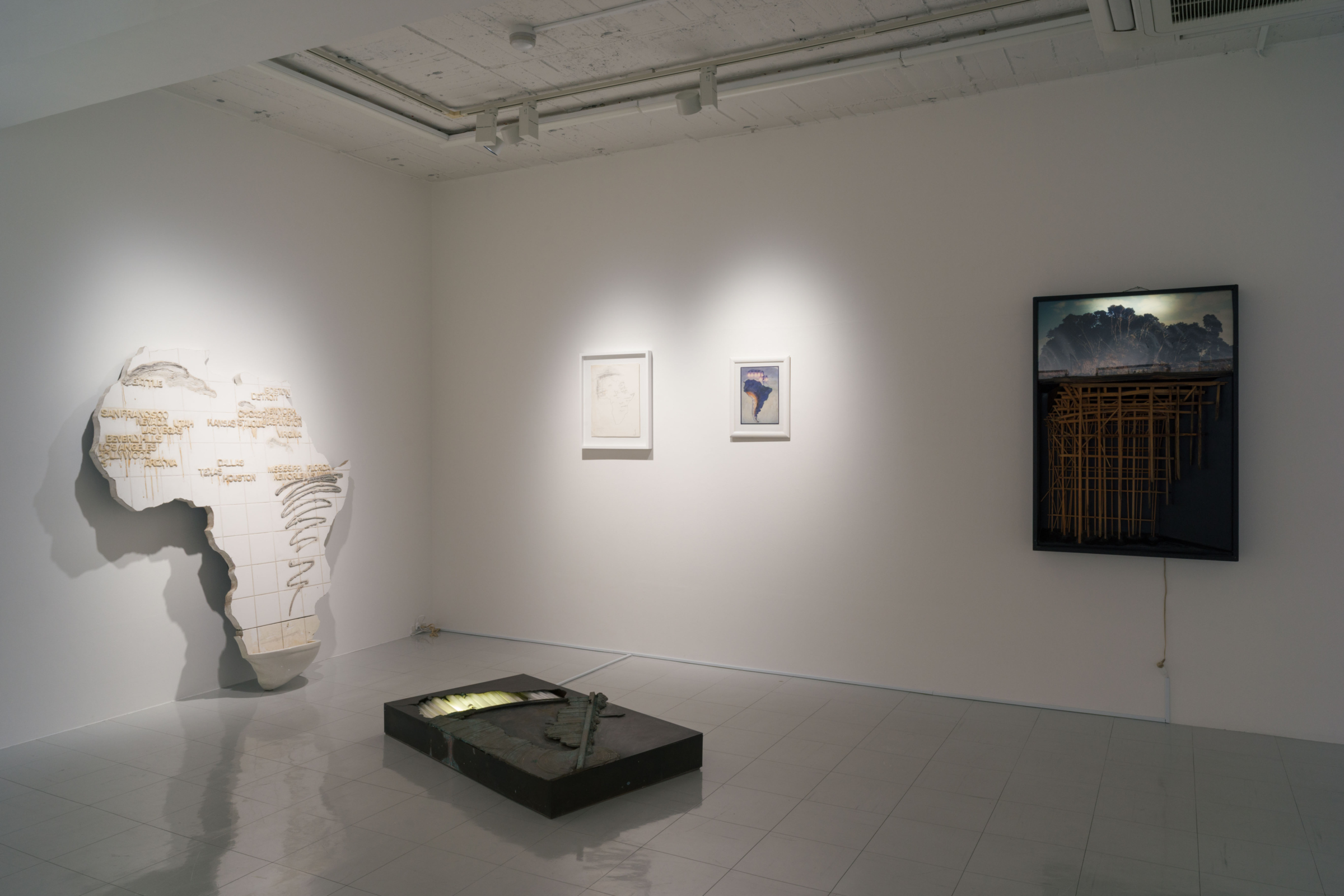
Since the 1980s, Suga has also created works using fluorescent lights. Among his surviving works are pieces where the shapes of maps of Africa and South America are hollowed out of metal boxes that have been packed with dozens of fluorescent tubes. If the shape of the African continent seen in his early works symbolizes nature, then Suga’s works can be seen as an attempt to imbue the anti-civilizational notion of “nature” with a material form through the use of artificial, manmade objects.
In March this year, Postwar Art Documents Conservation Inc. (padoco) published a monograph entitled Kei Suga and Contemporary Art. Various archival materials such as art documents, letters, sketchbooks, and production notes have also been donated to the National Art Center, Tokyo, where they are currently being catalogued.
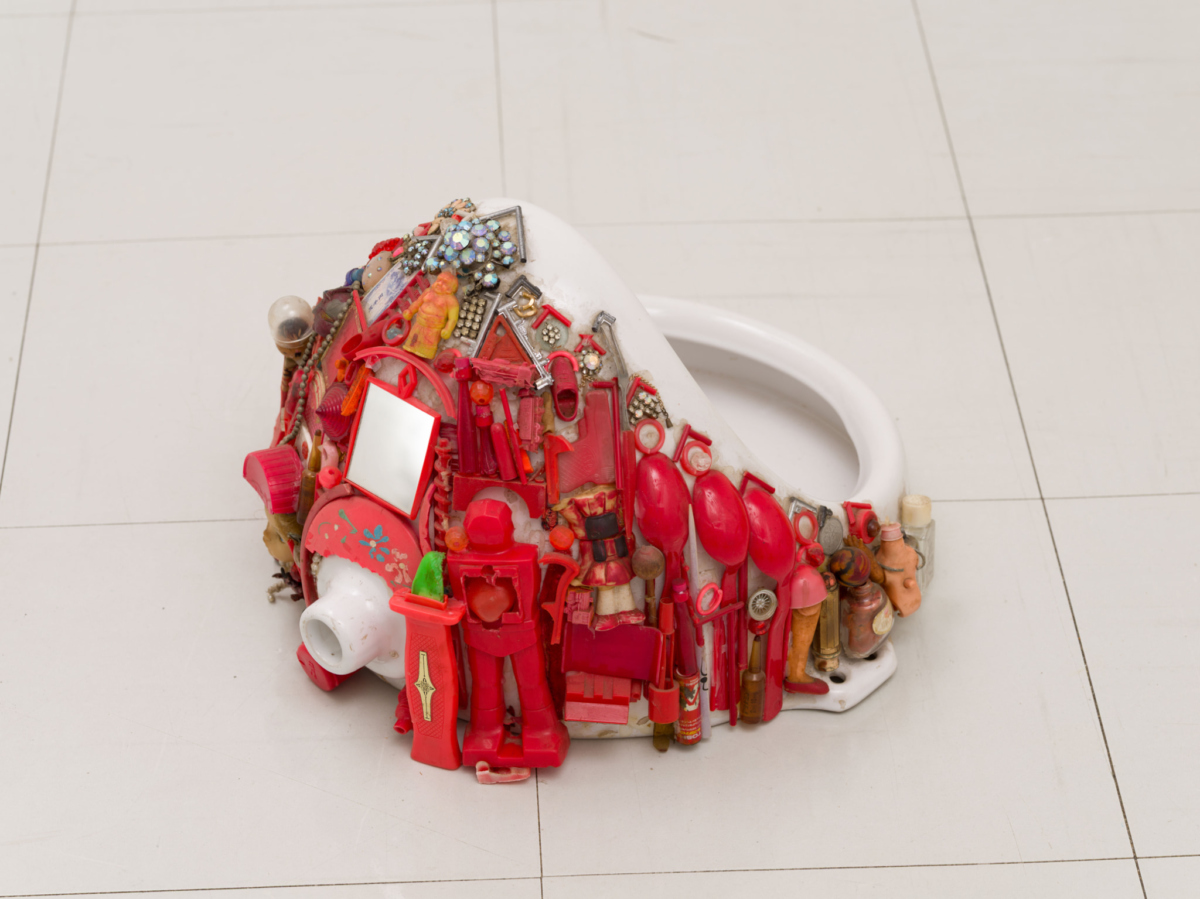
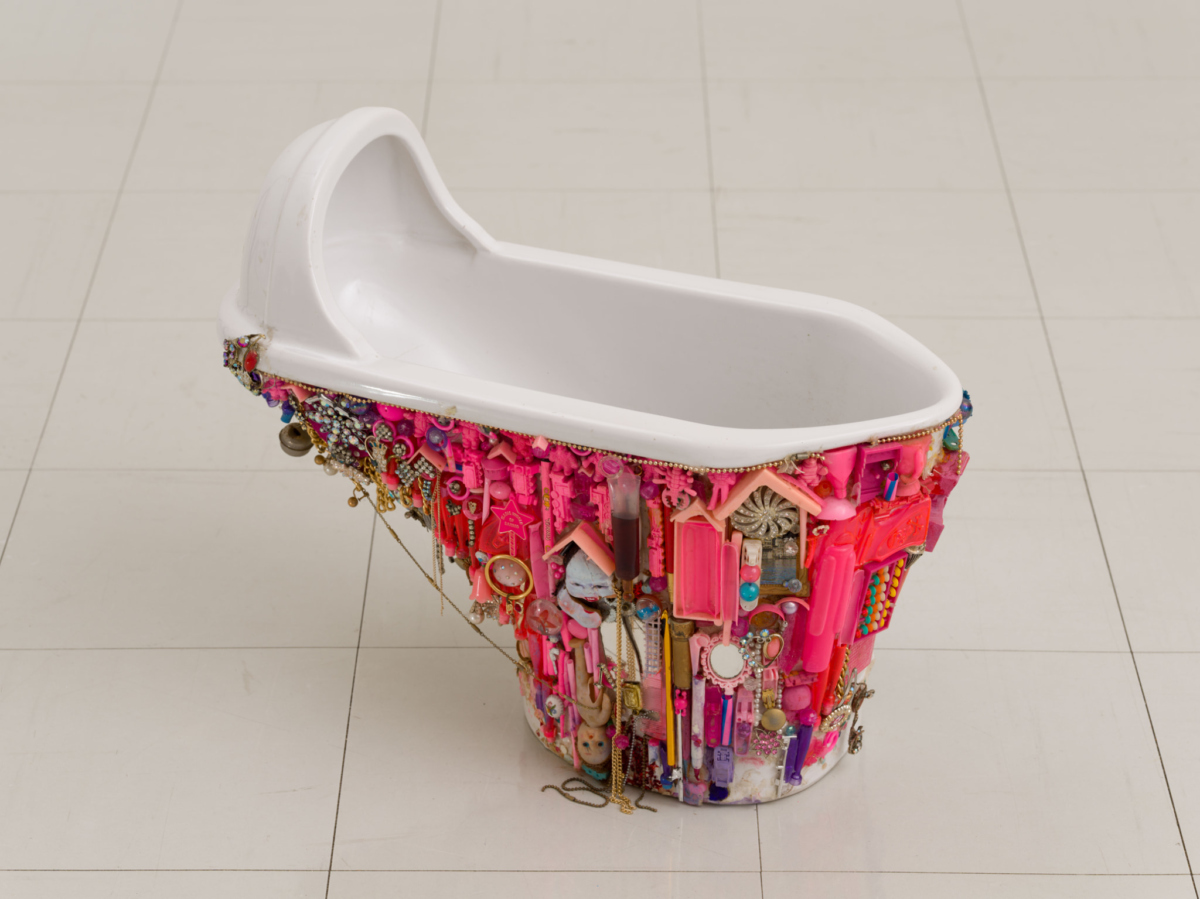
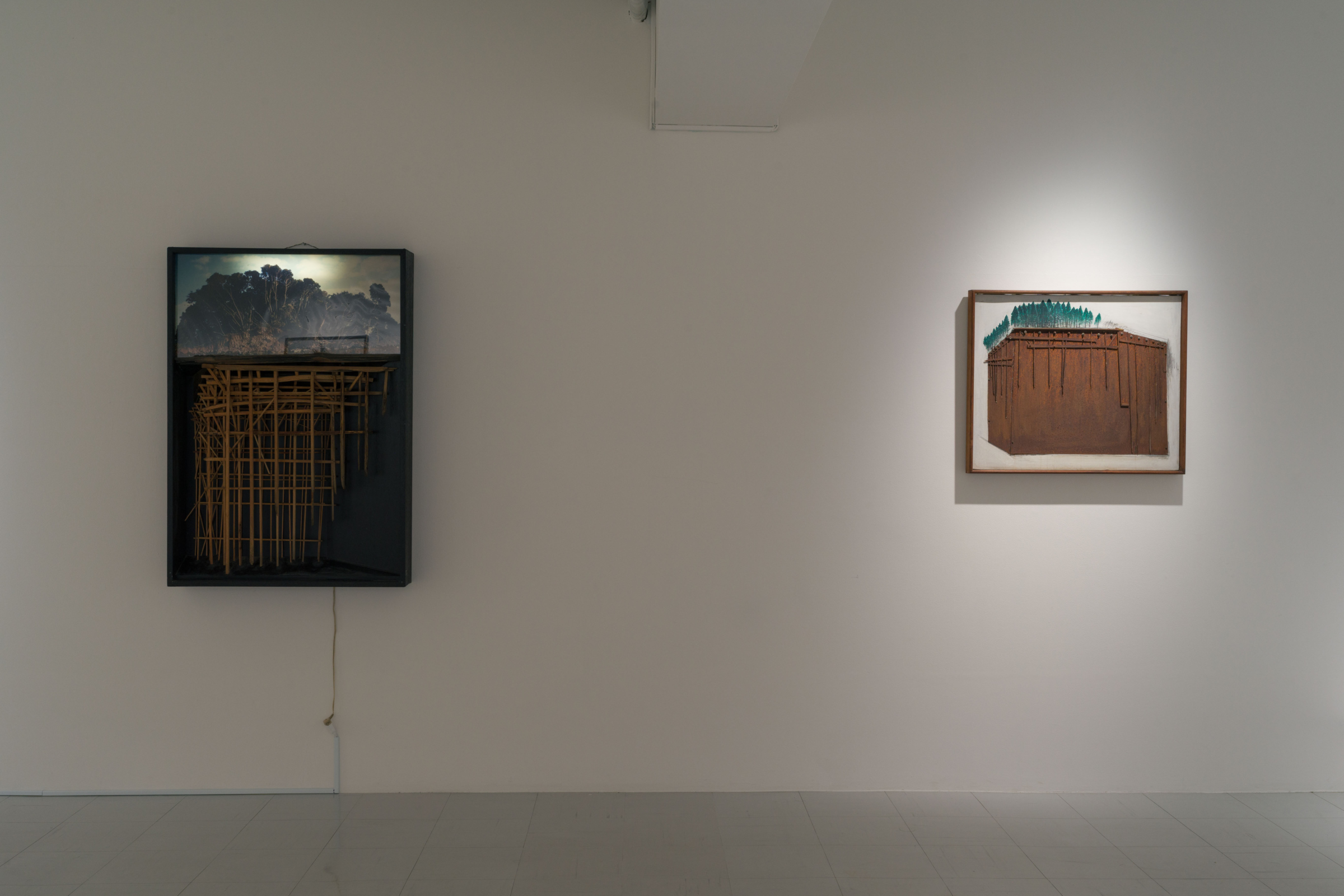
The works on display in this exhibition were discovered at Suga’s home following his passing in 2023. As the majority of his works do not have dates associated with them, it has been challenging to determine the exact dates that particular works were created or their titles, even by making reference to exhibition catalogues or sketchbooks. It is our hope that this exhibition will help to shed some light on Suga’s artistic practice.
In organizing this exhibition, we were fortunate to have received the generous support of the artist’s family, Postwar Art Documents Conservation Inc. (padoco), and the Information and Archives Section of the Curatorial Department at the National Art Center, Tokyo, to all of whom we would like to express our sincere gratitude.