Tokyo
Nankoku Hidai
1987/9/28–10/9
Tokyo
1987/9/28–10/9
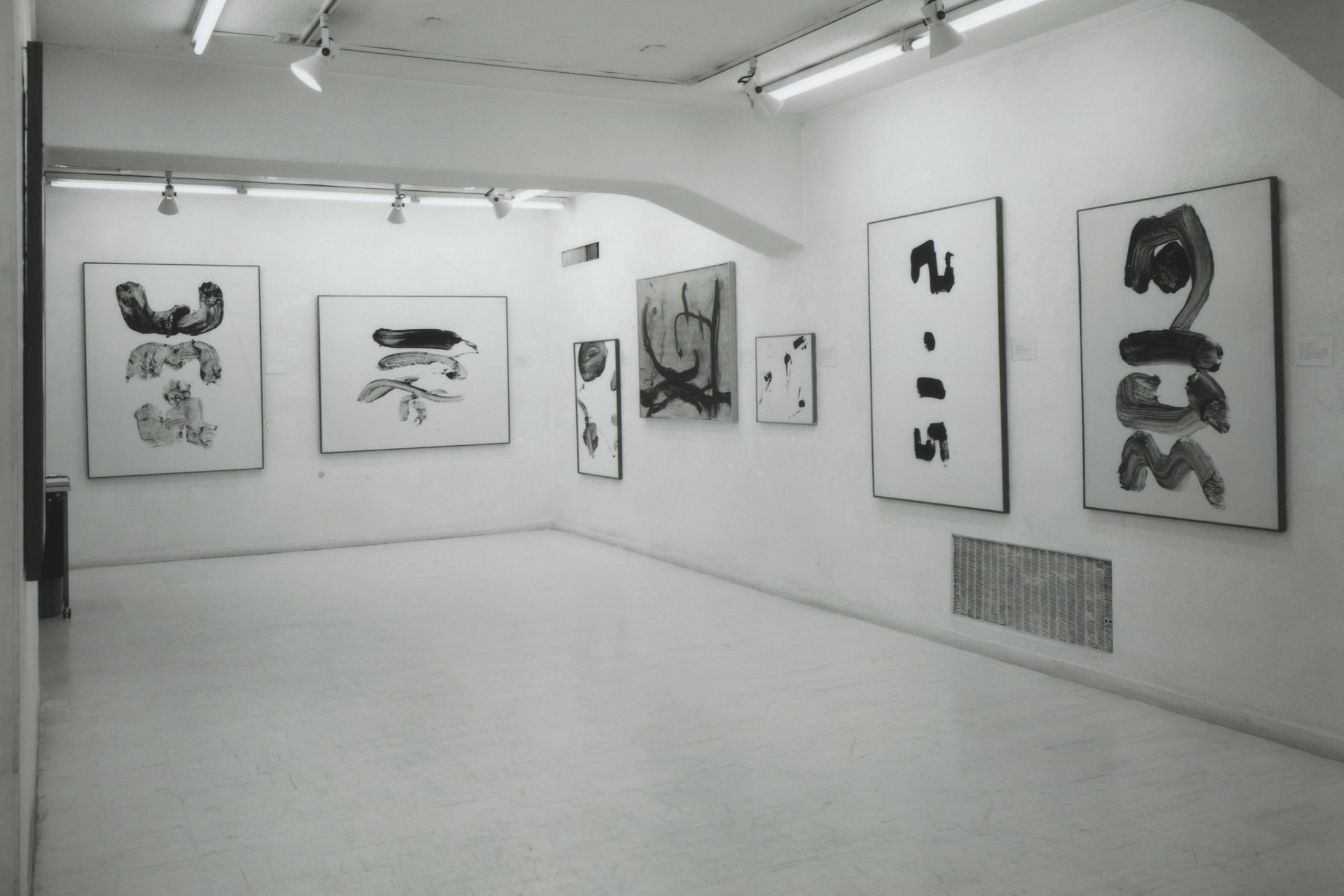
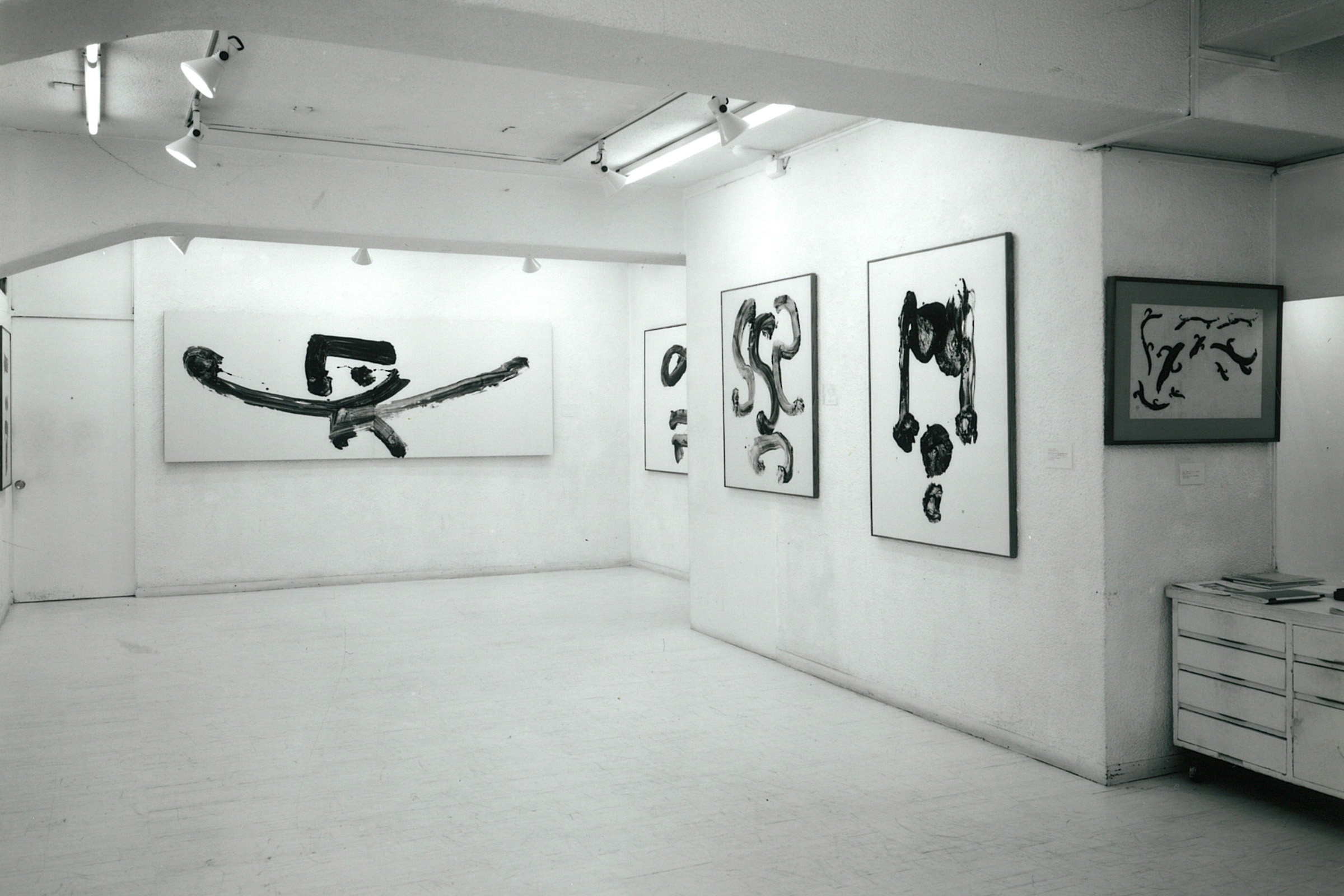
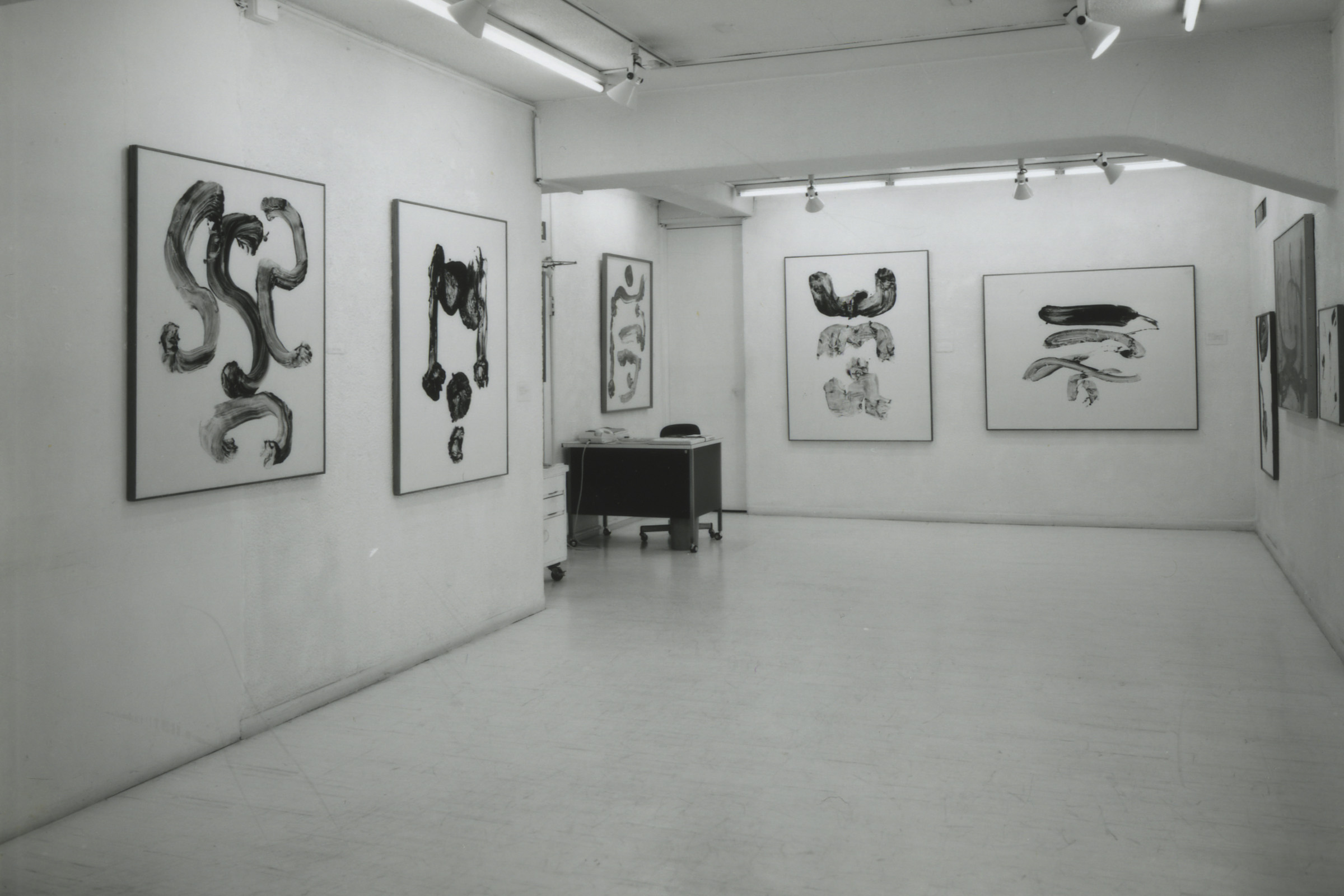
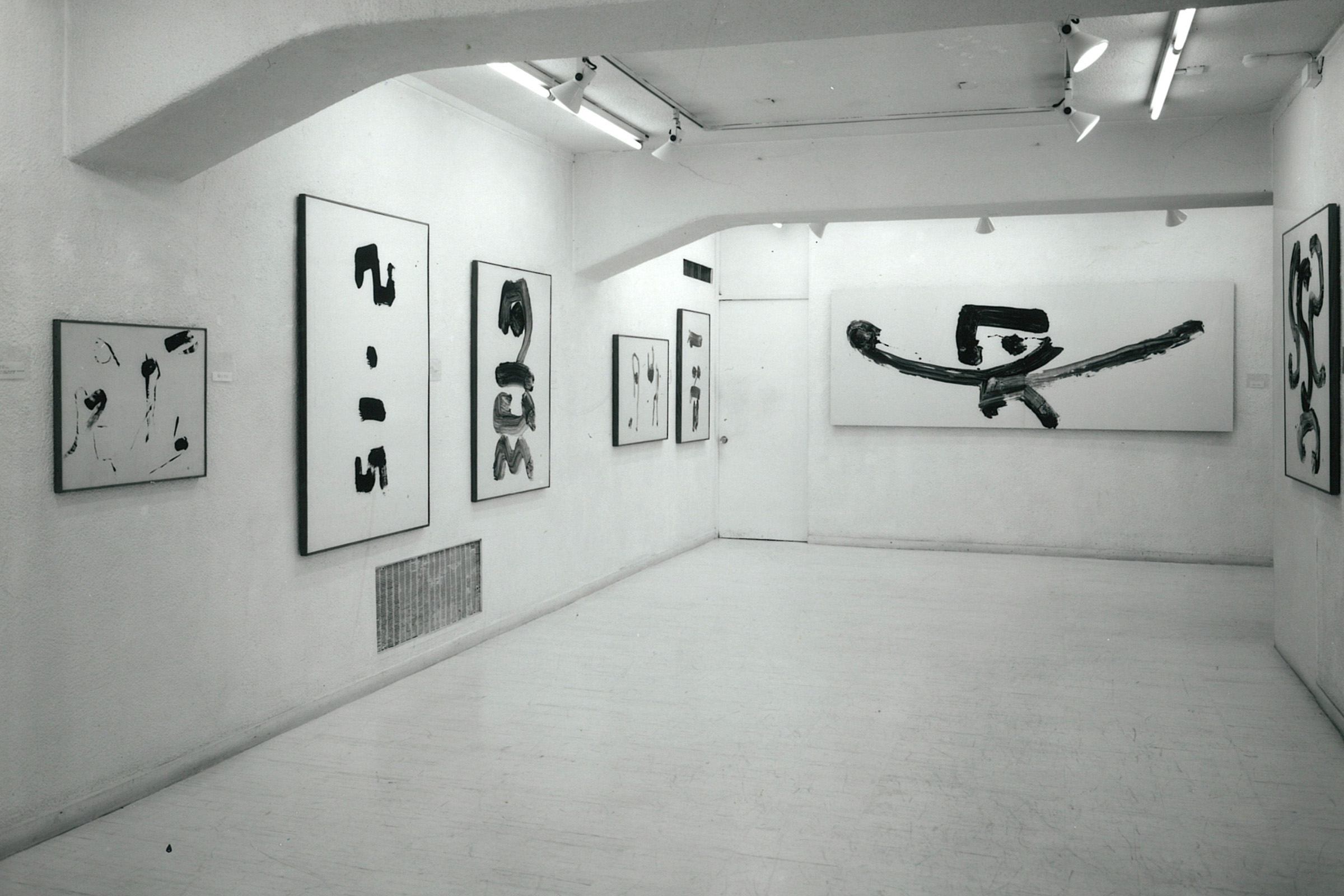
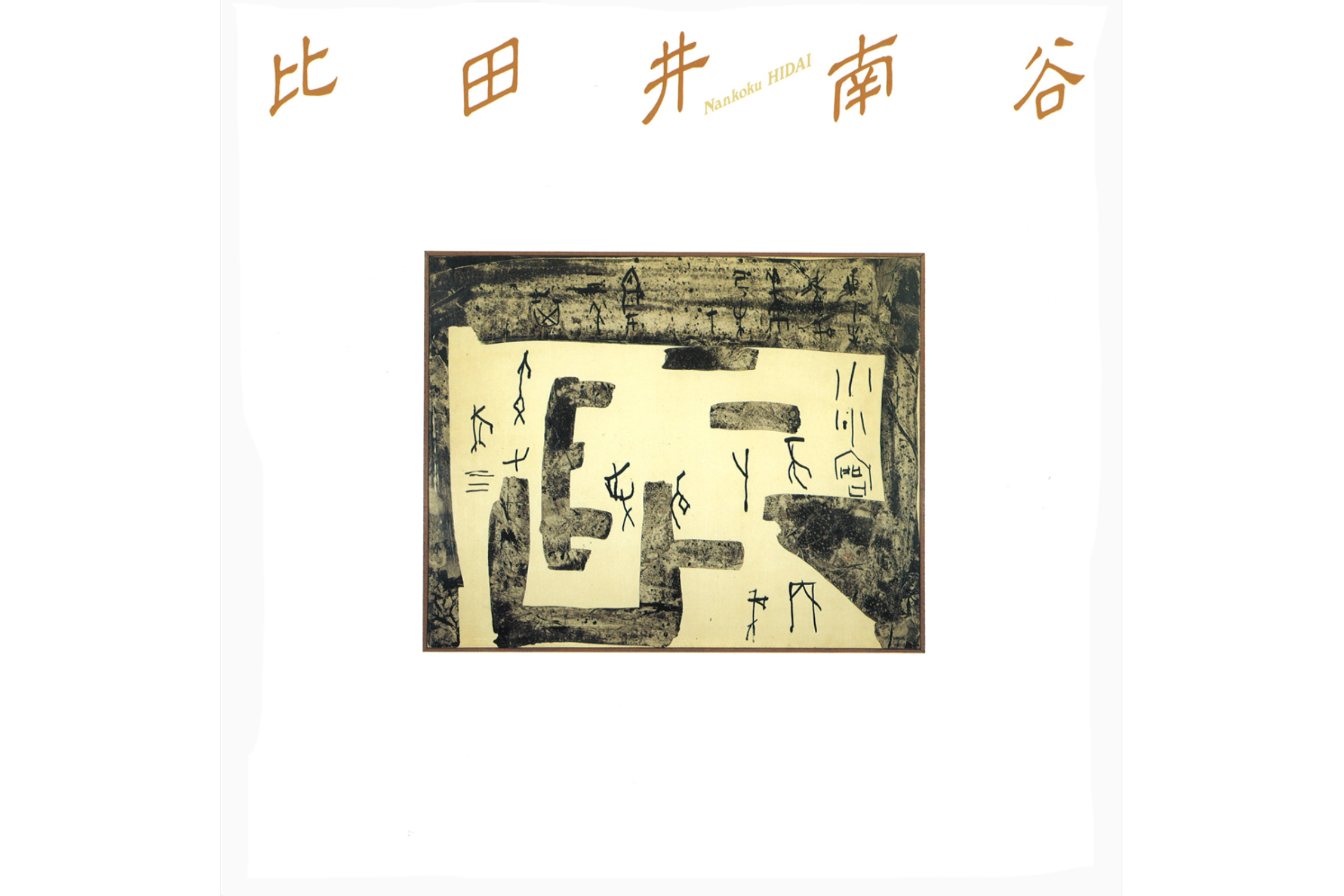
Nankoku Hidai (1912-1999) was born in Kamakura, Kanagawa Prefecture, as the son of Tenrai Hidai, a calligrapher known as the "father of modern calligraphy," and Shokin Hidai, a practitioner of Kana Calligraphy that is unique to Japan. Growing up surrounded by model calligraphy books at the Institute of Calligraphy Studies (founded by Tenrai), Nankoku delved deeply into classical calligraphy, but in his search for the possibilities of calligraphy, he abandoned the literal nature of calligraphy and arrived at the form of expression he called "spirit line." Spirit Line 1: Lightning-Variation (1945, collection of Chiba City Museum of Art) is a work where, encouraged by his father’s words “When stuck, return to the origins,” Nankoku sought inspiration from the letter “den” (電), meaning lightning, found in Gu zhou hui bian, a dictionary of the archaic Chinese script Ku-wen. This work had a great impact on calligraphers and Western-style painters at the time, provoking a debate about whether it could be regarded or not as calligraphy. The avant-garde calligraphy movement led by Nankoku would mark an era in contemporary calligraphy art.
According to Hidai, the artistic essence of calligraphy resides in the well-honed line. His experimental works, which seem to deviate from tradition to explore a variety of materials, are also supported by this profound belief, which he maintained throughout his life. He made use of canvases, boards, and fiberboards instead of paper, oil paints and lacquer instead of ink, and sometimes scratched at oil-painted boards with a piece of bamboo or a piece of tire instead of using a brush. These works can also be understood as efforts to prove the predominance of the calligraphic line over the material.
Hidai’s work was well received overseas as well. In November 1959, he was invited to the Rudolph Schaeffer School of Design in San Francisco for his first visit to the United States. He devoted himself to promoting the art of calligraphy in other countries through solo exhibitions in New York City, San Francisco, and Washington D.C., lectures on the history of calligraphy in more than twenty universities, and teaching calligraphy to artists. In 1964, he collaborated with K.R.H. Sonderborg (1923-2008), Pierre Alechinsky (b. 1927) and Walasse Ting (1929-2010) in New York City. His performance employing a large brush carried out for the occasion has been documented on film.
Hidai’s practice always crossed the boundary between calligraphy and other visual arts. The avant-garde calligraphy movement led by him should be reconsidered as one of the art movements that emerged in various parts of the world after World War II, which mutually influenced one another.